Atlas Mountains
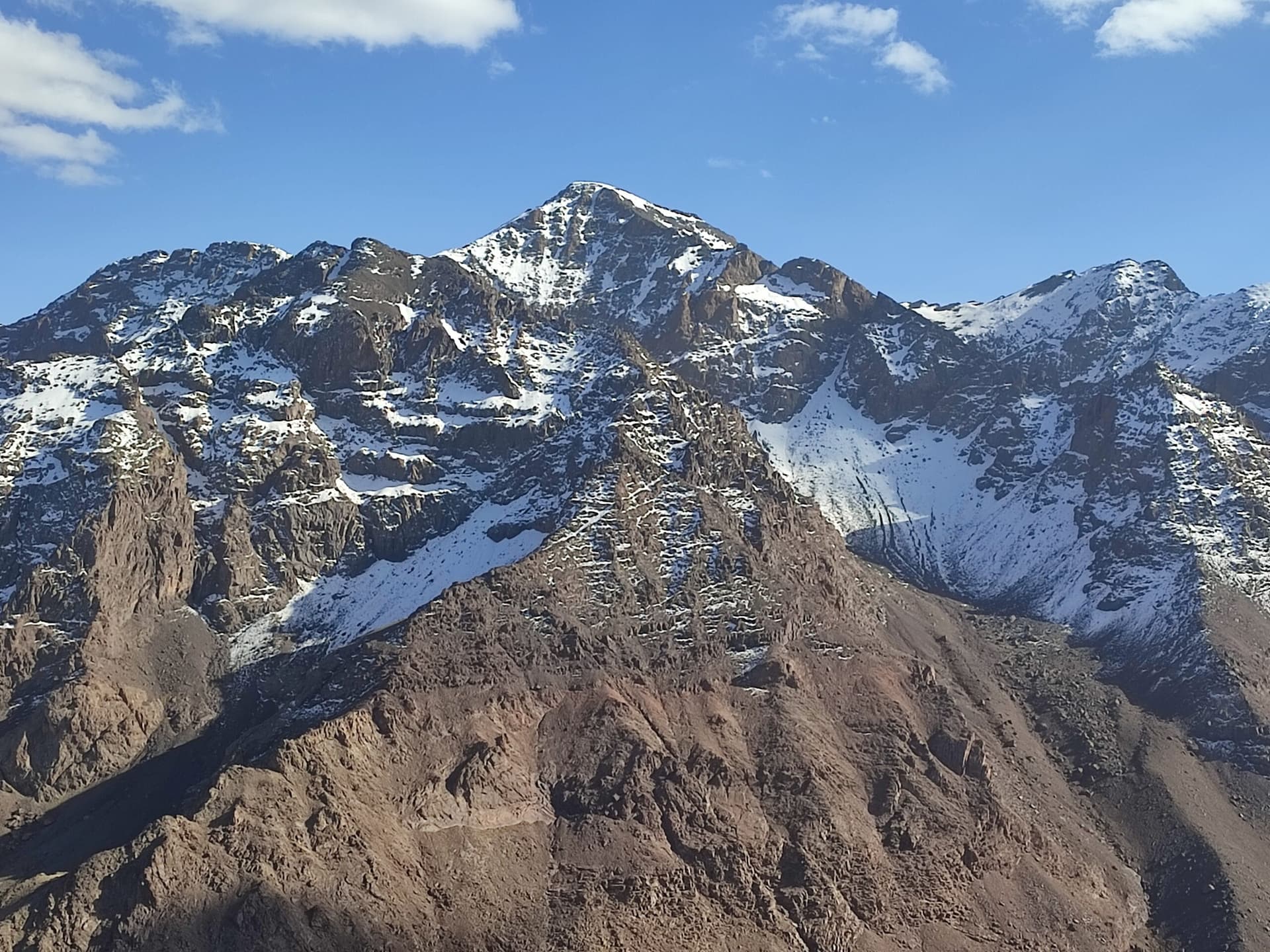
Morocco’s highland backbone of snow-dusted peaks, Amazigh villages, fertile valleys and Sahara-bound passes.
What Is Atlas Mountains Known For?
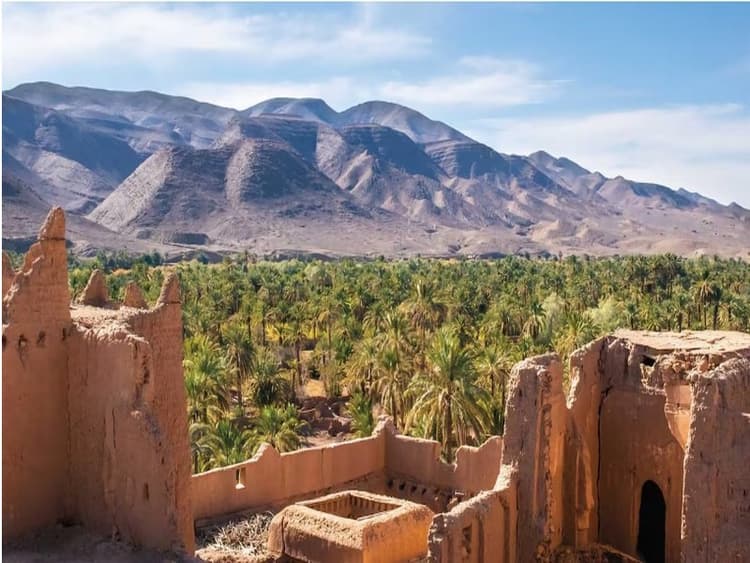
The Atlas Mountains are a 2,500km North African mountain system separating the Sahara from the Mediterranean and Atlantic. Morocco's stretch spans the High, Middle, and Anti-Atlas ranges, and includes Mount Toubkal — at 4,167 meters, the highest peak in Morocco and North Africa.
The range runs through Morocco, Algeria, and Tunisia, and is home to Amazigh villages, fertile valleys, river gorges, high mountain passes, and historic pre-Saharan caravan routes.
In September 2023, a magnitude 6.8 earthquake centered in the High Atlas (Al Haouz province, near Imlil and Ouirgane) caused significant damage and loss of life across many mountain villages. Recovery has been substantial - trekking, guesthouses, and most tourist infrastructure are operating normally as of this writing - but reconstruction remains visibly ongoing in some villages and at some historic sites, including the Tin Mal Mosque, which is still closed to visitors.
31.4333° N, 6.9333° W
Mountain / semi-arid to alpine
Marrakech Menara Airport
Primarily Amazigh villages
Moroccan Dirham (MAD)
How Do You Get to Atlas Mountains?
Find the best transport options to reach Atlas Mountains comfortably.
By train
Take the ONCF train from Casablanca to Marrakech, then continue by taxi, shared taxi, bus or pre-booked transfer into the High Atlas. This is the most practical public route for Imlil, Ourika and Toubkal itineraries. Connections and final valley choice affect the total journey, but the rail segment keeps the long-distance portion comfortable and reliable.
By plane
Fly from Casablanca to Marrakech only if the flight schedule fits your wider itinerary, then continue by road into the mountains. The flight itself is short, but airport time and the onward High Atlas transfer mean it is usually most useful for travelers already connecting through Mohammed V Airport.
By Bus
Long-distance buses link Casablanca and Marrakech, where you can change to a shared taxi, local bus via Asni, private transfer or organized mountain day trip. This is a budget-friendly option, though it requires more coordination than the train and depends heavily on onward valley connections.
By Car
Driving gives the greatest flexibility for reaching Imlil, Ourika, Oukaimeden, Ouirgane or the Tizi n’Tichka road. Travel first to Marrakech, then continue into the High Atlas according to your chosen valley. Roads can be winding in the mountains, so daylight driving is recommended for first-time visitors.
By private taxi
A private taxi or pre-booked transfer offers a direct, low-stress route from Casablanca through Marrakech and onward into the High Atlas. It is the most convenient choice for families, groups or travelers carrying trekking luggage, though costs vary considerably by provider and final destination.
By rideshare
Rideshare options can work for the Casablanca-to-Marrakech portion, followed by local shared taxi or transfer into the mountains. This is economical and social, but less predictable for remote valleys, so confirm luggage space, pickup point and whether the driver can drop you near onward transport.
What Are Atlas Mountains's Main Districts?
Atlas Mountains is organized into 6 main districts, from High Atlas to Dadès and Todra Gorges, each with its own character and things to do.
What Is the History Behind the Atlas Mountains' Caravan Routes?
The Atlas Mountains have long formed a physical and historical barrier between Morocco's northern plains and the pre-Sahara, shaped by Amazigh communities and Berber-led dynasties like the Almoravids and Almohads.
Sites like Tin Mal, Aït Benhaddou, Telouet, and Tizi n'Tichka preserve the memory of religious power, fortified settlement, and caravan movement between the Sahara and Marrakech.
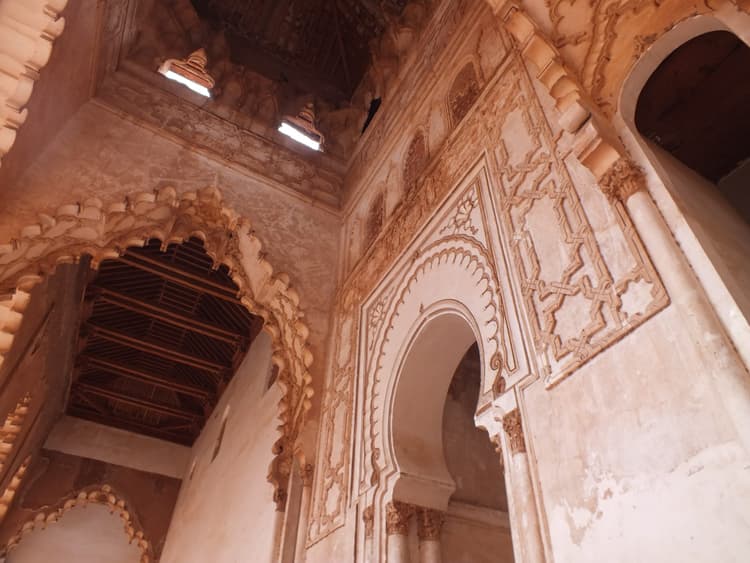
Tin Mal Mosque
A 12th-century Almohad mosque in the High Atlas village of Tinmel, linked to the early Almohad movement and mountain religious history.
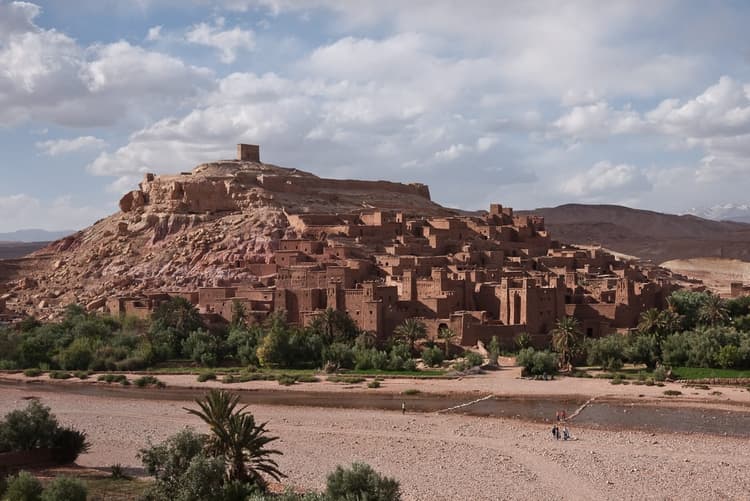
Aït Ben Haddou
A UNESCO-listed fortified ksar on the former Sahara–Marrakech caravan route, celebrated for southern Moroccan earthen architecture.
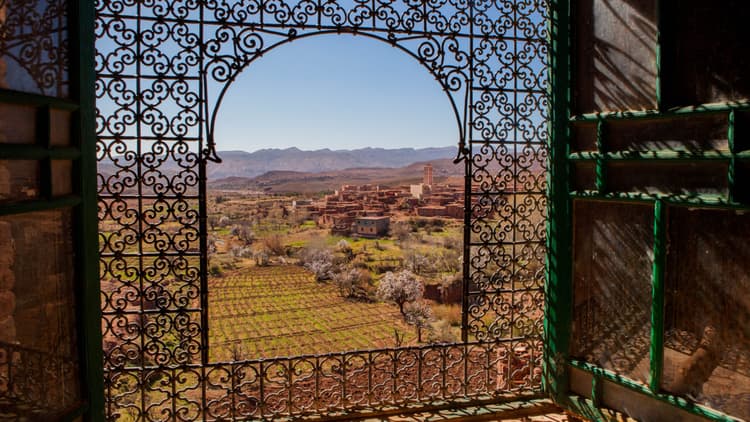
Telouet Kasbah
A former kasbah of the El Glaoui family on the old caravan road from the Sahara over the Atlas to Marrakech.
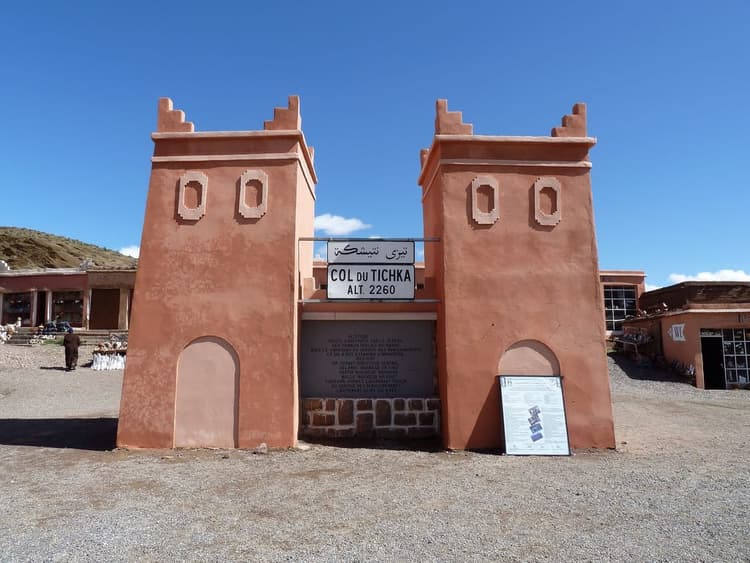
Tizi n’Tichka Pass
The major High Atlas road pass connecting Marrakech and Ouarzazate, commonly cited at 2,260 meters above sea level.
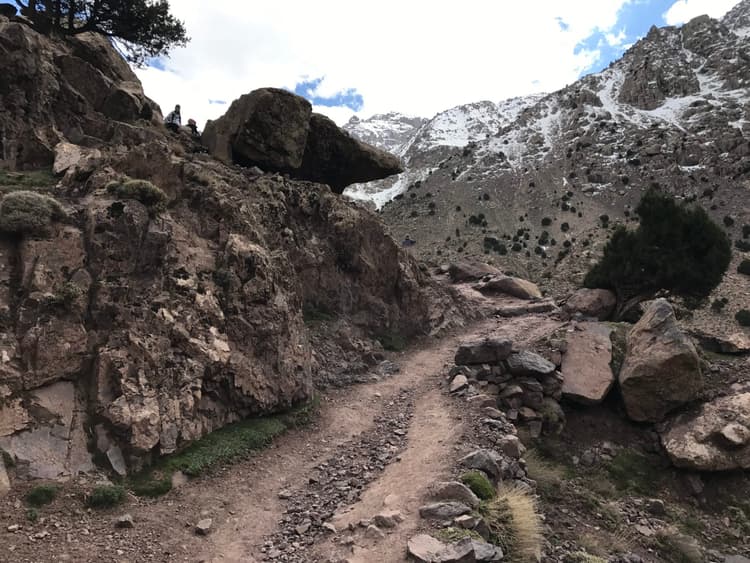
Toubkal National Park
A protected High Atlas landscape established in 1942, covering about 380 square kilometers and containing Mount Toubkal.
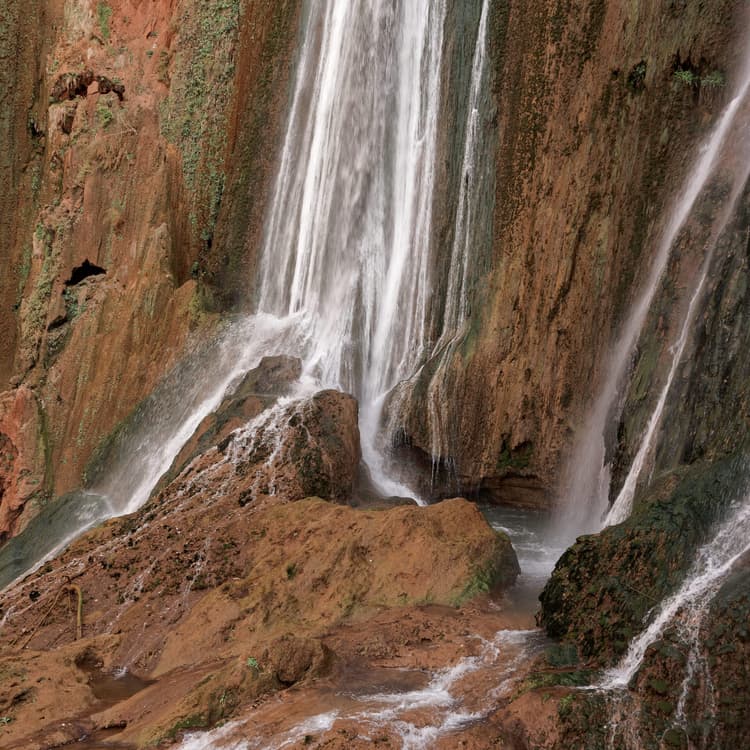
Ouzoud Falls
A dramatic waterfall landscape around 110 meters high, commonly visited from Marrakech and associated with the Atlas foothills.
What Can You Buy in the Atlas Mountains?
Shopping in the Atlas Mountains happens at village markets, roadside stalls, and cooperatives rather than one urban souk — expect local produce, rugs, wool textiles, argan products, amlou, honey, and herbs.
Bargaining is common at village souks, while cooperatives tend to use more fixed pricing.
The Souk Directory
Asni Saturday Souk
A traditional Amazigh crossroads and gateway to Imlil and Mount Toubkal, known for its Saturday souk.
Tahanaout Market Area
A Berber village about 35 kilometers from Marrakech, commonly included on High Atlas and Ourika routes.
Imlil Village Shops
Small trekking-base shops and stalls offering village produce, simple supplies and locally made mountain crafts.
Ourika Valley Stalls
Roadside and riverside stalls near Setti Fatma selling local produce, herbs, snacks and visitor goods.
Atlas Artisan Cooperatives
Cooperative-style stops for argan oil, amlou, textiles and regional crafts on Atlas and Marrakech mountain circuits.
The "Fair Price" Reference Table (2024 Estimates)
| Item | Local Name | Est. Price (MAD) |
|---|---|---|
| Argan Oil - Culinary | Zite Argan | $15 – $22 / 250ml |
| Amlou Paste | Amlou | $8 – $15 / 250g |
| Saffron | Zaafran | Varies / Gram |
| Berber Rug | Tapis Berbère | Varies by size |
| Pottery Tagine | Tajine | Varies |
| Mountain Honey | Assal | Varies |
Which Tours Visit Atlas Mountains?
What Are the Best Things to Do in the Atlas Mountains?
Frequently Asked Questions
Spring and autumn are generally favored for moderate trekking conditions, especially in the High Atlas. Summer can be hot in lower valleys, while winter can bring snow and freezing temperatures at higher elevations, particularly around Toubkal and high passes.
Yes, but standard mountain precautions are essential. Check the weather, carry warm layers, water and sun protection, wear appropriate footwear and use experienced local guides for unfamiliar high routes, winter conditions and summit treks.
Altitude sickness can be a risk on rapid ascents from Imlil at around 1,740–1,800 meters to the Toubkal Refuge at about 3,207 meters and the summit at 4,167 meters. Gradual pacing, hydration and awareness of symptoms are recommended.
Use bottled or treated water unless your accommodation confirms the local supply is safe. Carry Moroccan dirhams in cash for village cafés, taxis, guides, small shops and weekly markets, as card payments and ATMs are limited in mountain areas.