Marrakech
Morocco's former Almoravid capital, on the plain below the High Atlas.
What Is Marrakech Known For?
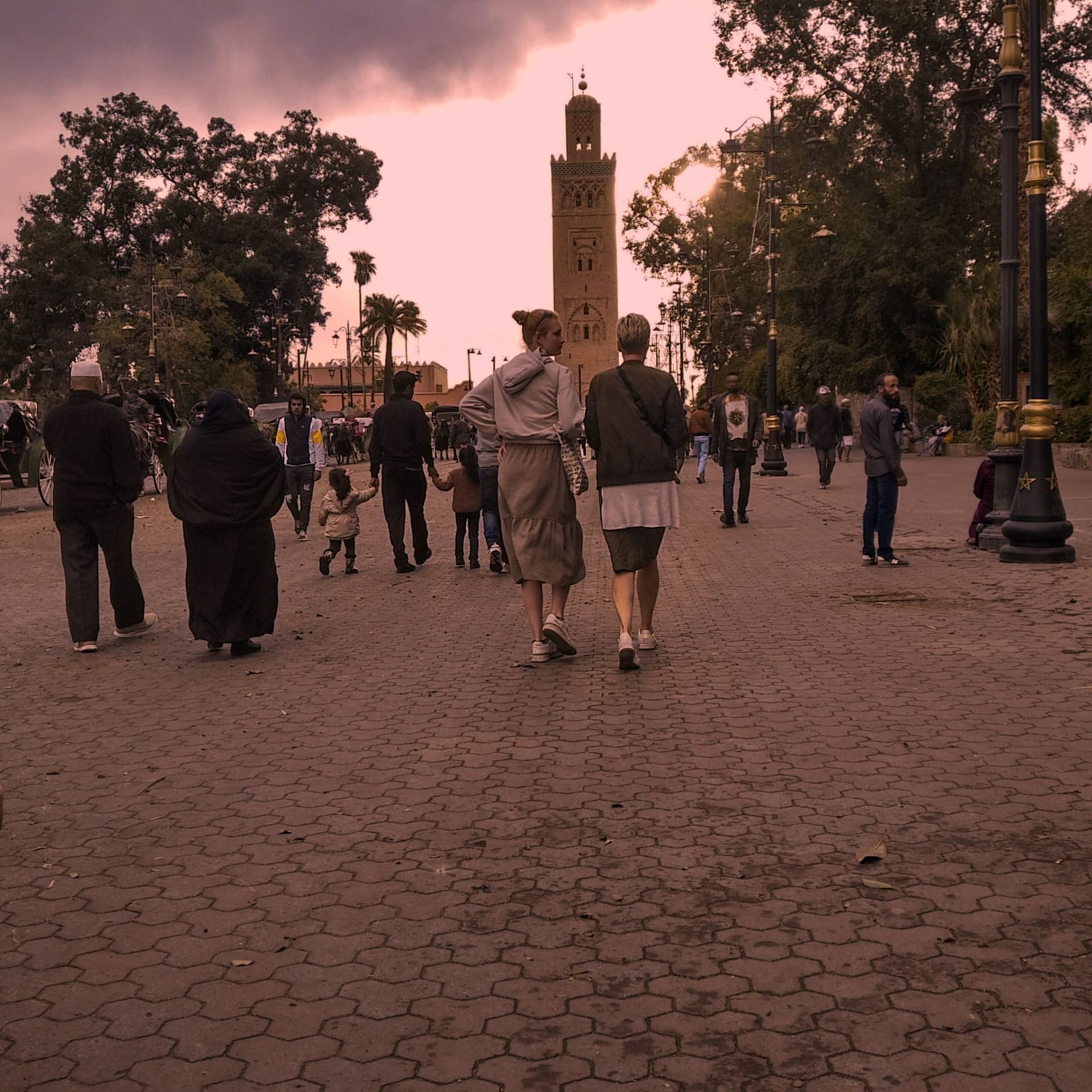
Marrakech is Morocco's fourth-largest city and a former imperial capital, founded in 1070 by the Almoravid dynasty. Known as "The Red City" for its sandstone ramparts, it sits at the southern edge of the Haouz plain, with the Atlas Mountains and the road into the Sahara both starting from here.
It is the capital of the Marrakech-Safi region and functions as the primary economic hub for tourism in southern Morocco.
31.6295° N, 7.9811° W
Semi-arid
Menara Airport
928,850
Moroccan Dirham (MAD)
How Do You Get to Marrakech?
Find the best transport options to reach Marrakech comfortably.
By train
Enjoy a smooth and highly comfortable ride on Morocco's reliable rail network. Trains run frequently throughout the day, offering air conditioning, onboard facilities, and spacious seating. Booking first-class is highly recommended for extra legroom and a quieter environment during peak travel times.
By plane
A quick, direct flight connects Casablanca's Mohammed V Airport to Marrakech. While the flight time is exceptionally brief, you must factor in transit, security, and boarding times, making this option ideal primarily if you are already arriving at the airport on an international flight and connecting directly. Duration: 45m–1h (flight only)
By Bus
: A highly budget-friendly option utilizing modern, air-conditioned coaches operated by reputable companies like CTM. While slightly slower than the train, it provides a dependable schedule with guaranteed seats and ample luggage storage. This is perfect for travelers looking to minimize transit costs without sacrificing safety.
By Car
Renting a vehicle offers the ultimate flexibility to depart at your leisure and explore the landscape at your own pace. The modern A3 toll highway provides a direct, well-paved route straight into the Red City. Keep some local currency handy for toll booths along the way.
By private taxi
For a seamless, door-to-door experience, a private Grand Taxi or pre-booked transfer is an excellent choice. It’s ideal for small groups, families, or those carrying cumbersome luggage. Be sure to negotiate and confirm the total fare with the driver before starting your journey to ensure a fair price.
By rideshare
Carpooling platforms offer a social, modern, and economical way to travel between major hubs. You'll share the ride with locals or fellow travelers heading in the exact same direction. It serves as a fantastic, flexible middle-ground between public transit and hiring a private cab.
What Are Marrakech's Main Districts?
Marrakech is organized into 6 main districts, from The Medina (UNESCO Site) to Agdal (Gardens & Resorts), each with its own character and things to do.
What Is the History Behind Marrakech's Ramparts and Gates?
Marrakech's ramparts were built in the early 12th century by the Almoravids using the tabia method — rammed earth mixed with lime — and stand up to 9 meters high with 200 defensive towers.
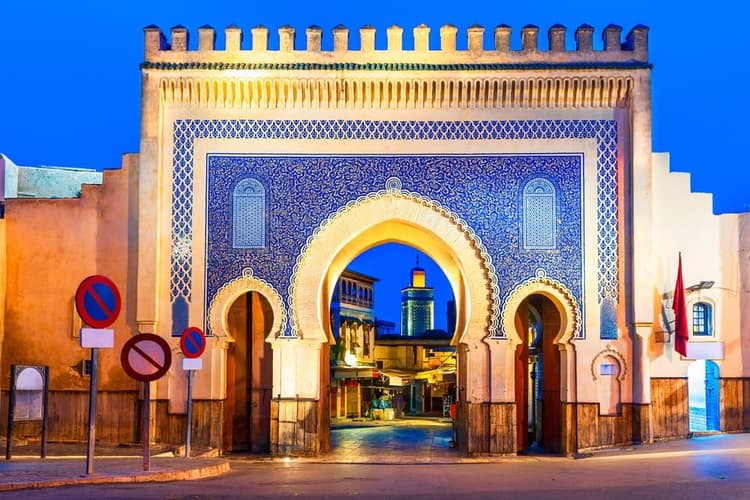
Access to the city is controlled by a series of historical gates, known as babs, each built for a specific geographic or economic function.
Bab Agnaou
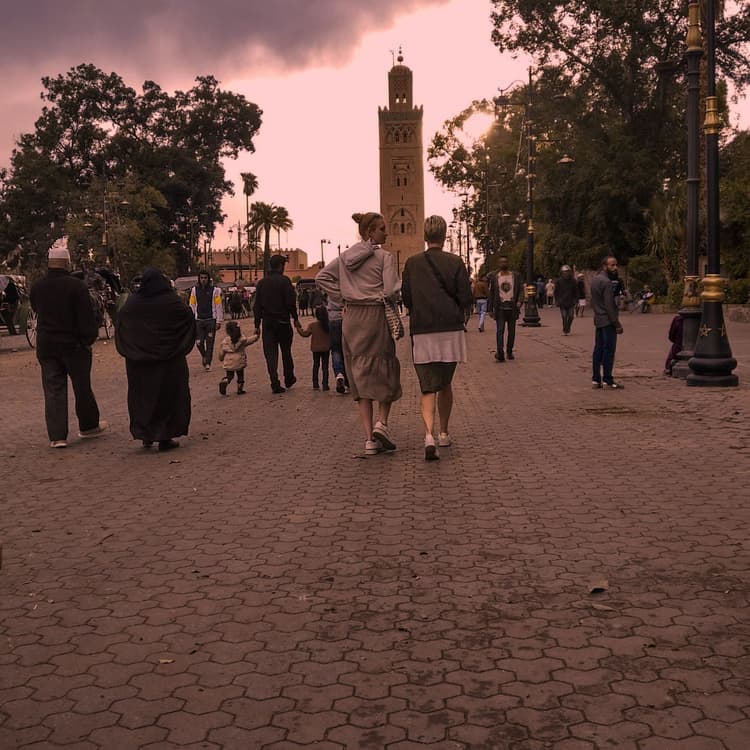
The royal entrance to the Kasbah, built by the Almohad caliph Ya'qub al-Mansur. It features a horseshoe arch adorned with floral Kufic inscriptions.
Bab Doukkala
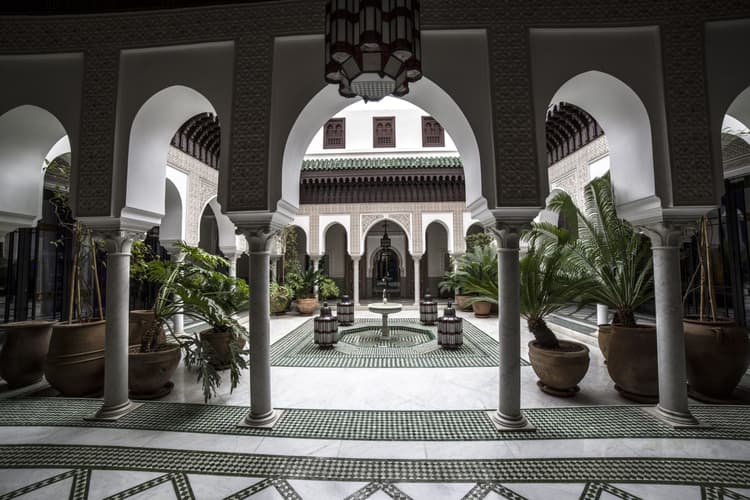
The massive western gate flanked by two towers, historically serving the caravan route to the Doukkala region and the Atlantic coast.
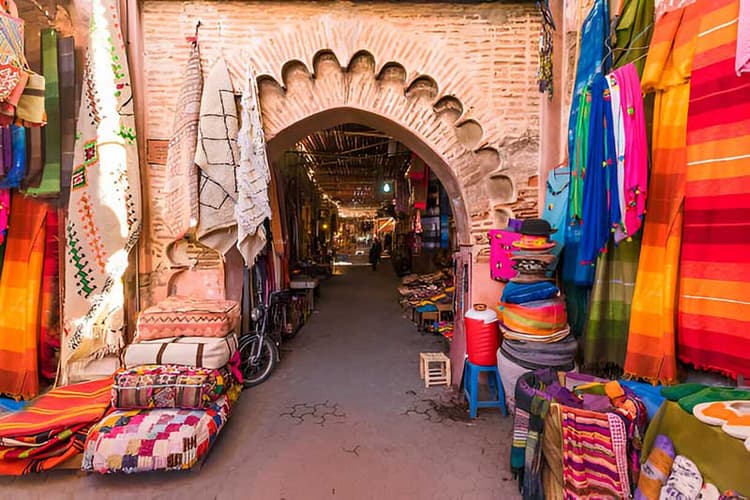
Bab Debbagh
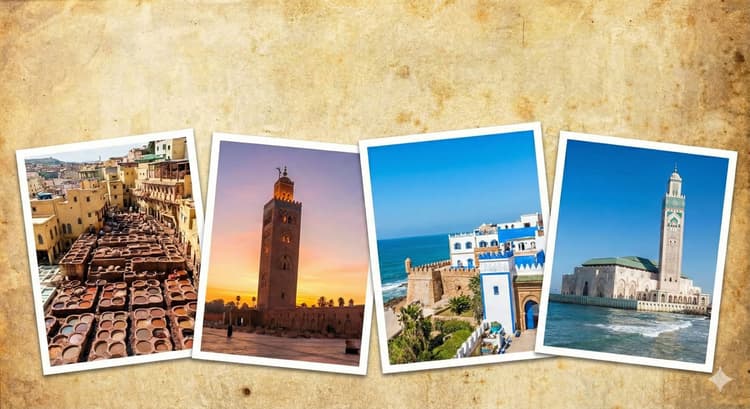
The Tanners' Gate, located near the Oued Issil river. It provides direct access to the Tanneries, allowing raw hides to enter the city without passing through residential areas.
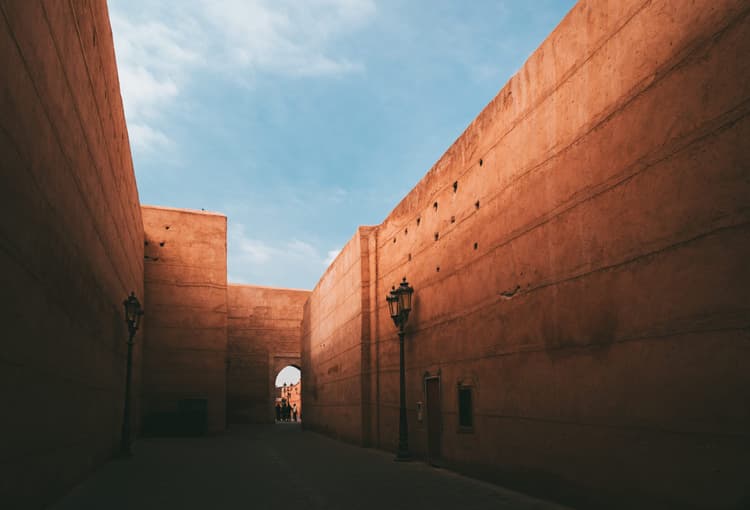
Bab El Khemis
Translating to the "Thursday Gate," Bab El Khemis is an Almoravid entrance located in the northern ramparts. It has historically served as the gateway to the city's largest open-air flea market and continues to anchor a vibrant commercial district.
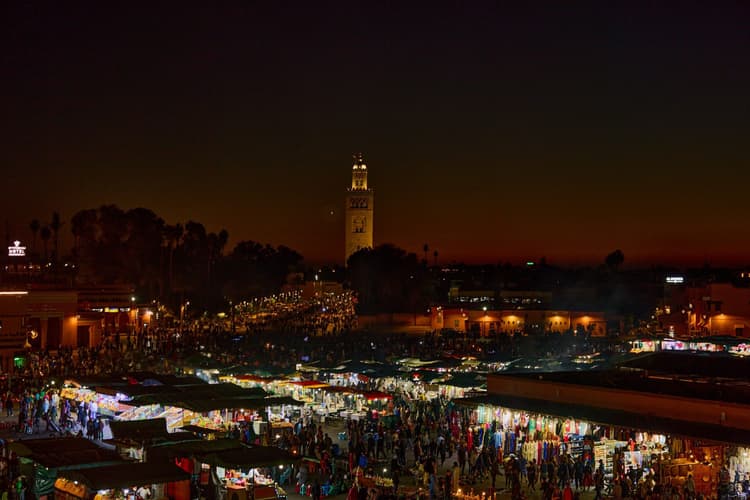
Bab Jdid
Translating to the "New Gate," Bab Jdid is an entrance along the western ramparts of Marrakech. It provides direct access to La Mamounia hotel and the Hivernage district, connecting the old medina with the modern city.
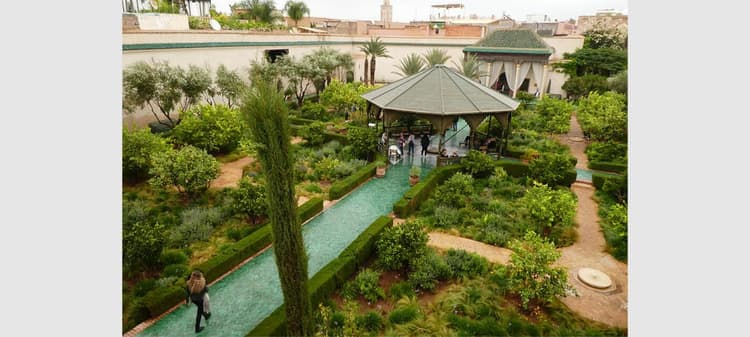
Bab er-Robb
Situated near the royal Kasbah, Bab er-Robb is a twelfth-century Almohad gate known for its unique role in regulating the historic trade of grape syrup. Its imposing ochre structure features dual arches and a traditional defensive bent entrance.
What Can You Buy in the Marrakech Souks?
Marrakech's souks are organized by commercial guild, so leatherwork, metalwork, and textiles each have their own dedicated market street rather than being mixed together.
Use this guide to navigate the specific markets — you won't find leather goods in the metalworking souk, for example.
The Souk Directory
Souk Semmarine
Main artery (Textiles, Pastries, Tourism goods).
Souk Smata
The Slipper Market (Babouches).
Souk Cherratine
Leather workers (Bags, Belts).
Souk Haddadine
Blacksmiths and Ironworkers.
Souk Attarine
Spices and Perfumes (Ras el Hanout, Argan).
The "Fair Price" Reference Table (2024 Estimates)
| Item | Local Name | Est. Price (MAD) |
|---|---|---|
| Leather Slippers | Babouche | 70 – 150 |
| Argan Oil - Culinary | Zite Argan | 200 – 300 / Liter |
| Argan Oil (Cosmetic) | Zite Tajmil | 80 – 200 / 100ml |
| Spice Mix | Ras el Hanout | 30 – 50 / 100g |
| Saffron | Zaafran Beldi | 90 – 120 / Gram |
| Carpet (Small/Synthetic) | Zarbia | 300 – 600 |
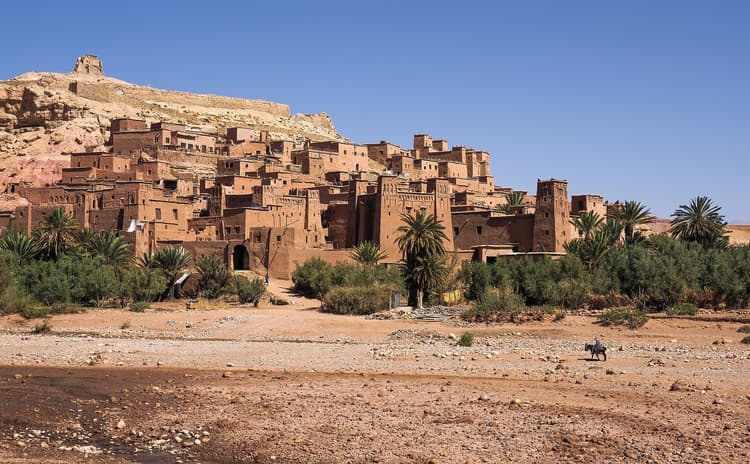
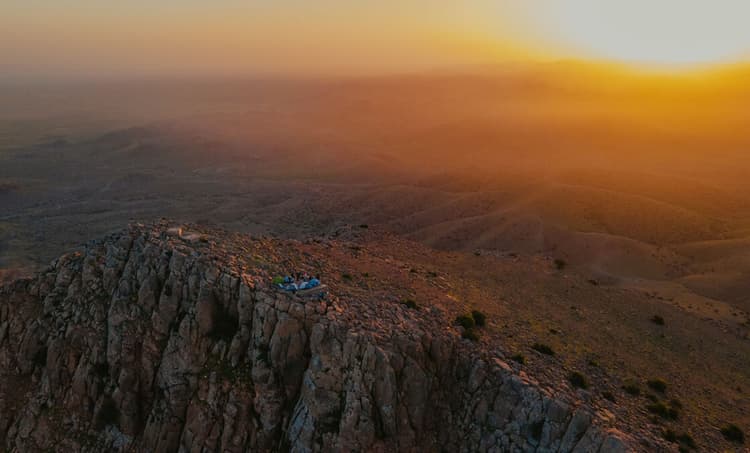
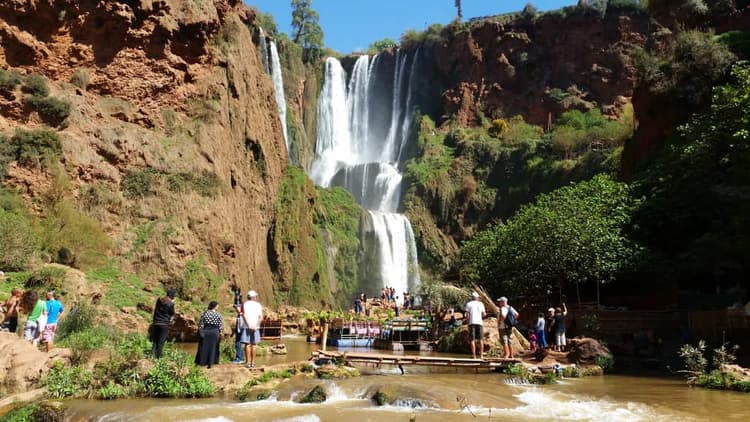
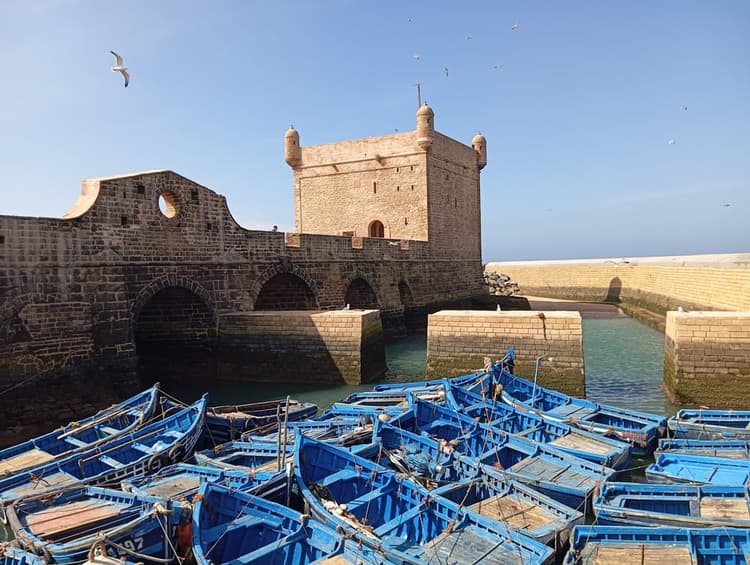
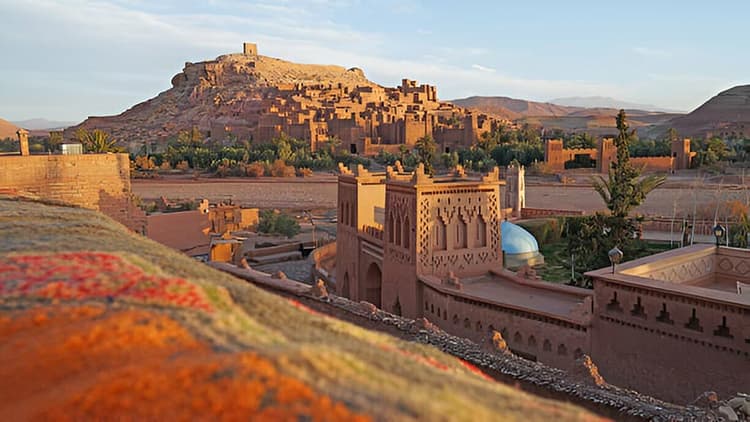
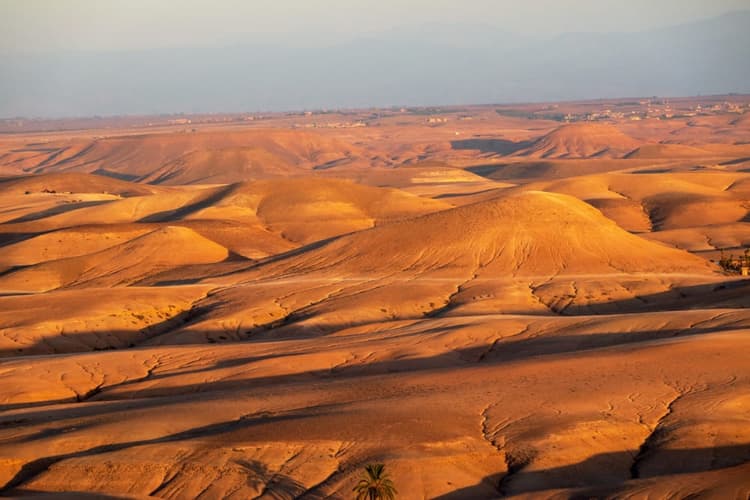
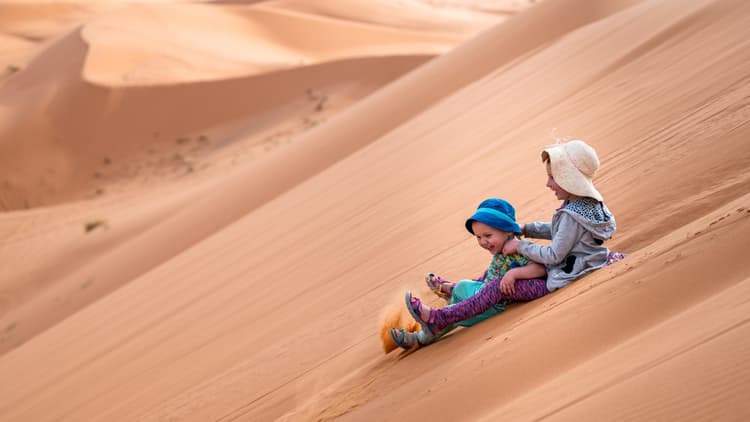
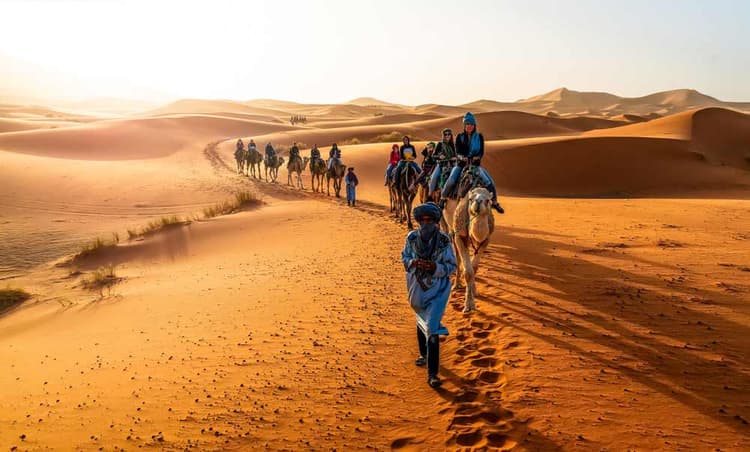
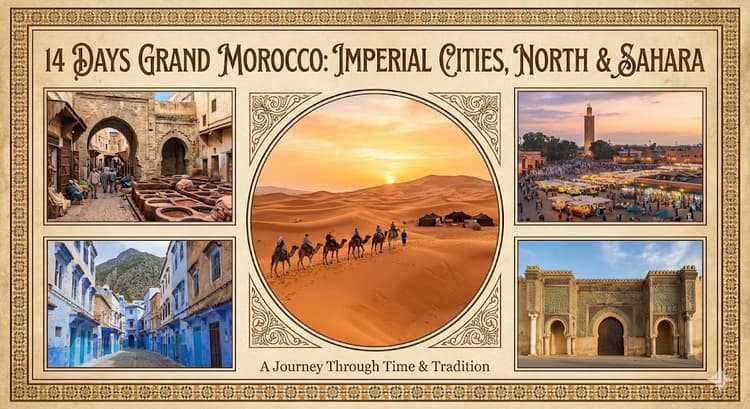
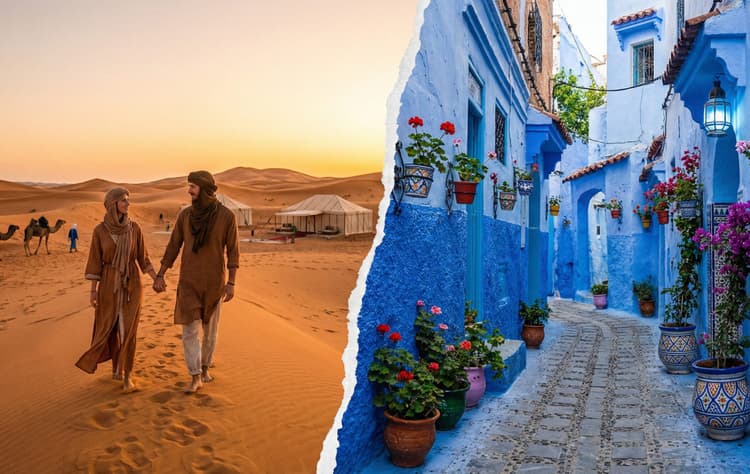
Desert Tours & Day Trips Starting from Marrakech
Which Tours Visit Marrakech?
What Are the Best Things to Do in Marrakech?
Frequently Asked Questions
Yes. The city has a dedicated Brigade Touristique (Tourism Police). Violent crime is rare. The most common issues are petty theft in crowded souks and aggressive touts.
The shoulder seasons of Spring (March to May) and Autumn (September to November) offer ideal temperatures (20°C–25°C). Summers (July-August) often exceed 40°C.
The tap water is chlorinated and technically safe, but the high mineral content can upset stomachs. We recommend bottled water or using a filter bottle.
The Moroccan Dirham (MAD). It is a closed currency, meaning you cannot buy or sell it outside Morocco. ATMs are widely available in Gueliz and the Medina.