
Merzouga
The base village for visiting Erg Chebbi, Morocco's Sahara dune field.
What Is Merzouga Known For?
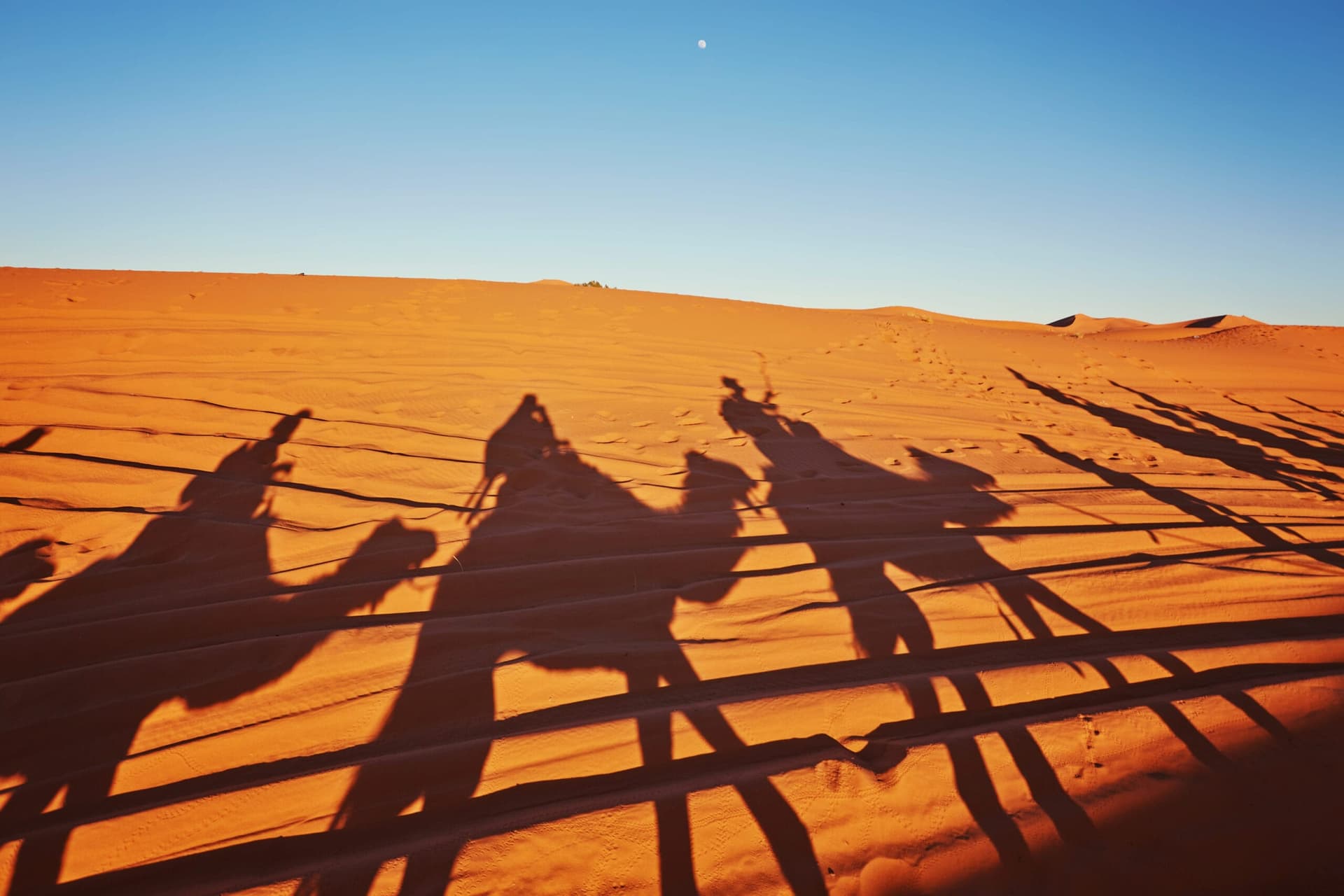
Merzouga is a small desert village in southeastern Morocco, about 35km southeast of Rissani, directly associated with the towering Erg Chebbi dunes — one of the country's principal gateways to the Sahara.
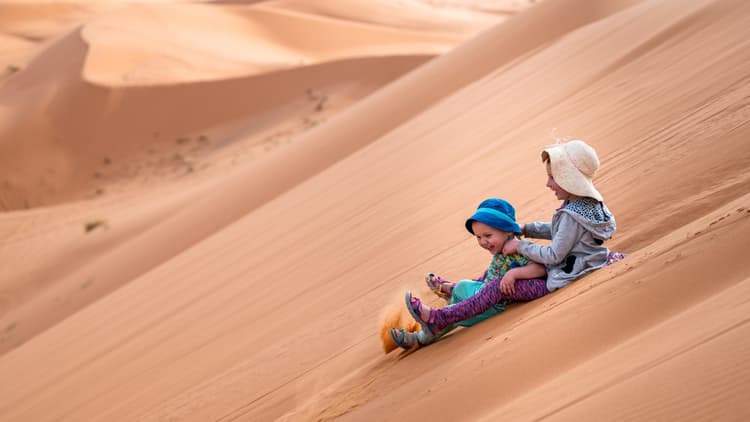
It functions as a practical base for camel trekking, desert camps, stargazing, sandboarding, 4x4 excursions, quad biking, and sunrise or sunset dune experiences.
31.0992° N, 4.0117° W
Hot desert (BWh)
Errachidia Moulay Ali Cherif Airport (ERH)
Not officially verified
Moroccan Dirham (MAD)
How Do You Get to Merzouga?
Find the best transport options to reach Merzouga comfortably.
By train and bus
There is no direct train all the way to Merzouga, but travelers can combine Morocco’s rail network with an onward bus toward the desert. The practical route usually involves taking the train to a rail hub such as Meknes, then continuing by long-distance bus or transfer toward Merzouga, Errachidia, or the Erg Chebbi area. It is a long but structured option for travelers who prefer public transport.
By plane
Flying from Casablanca to Errachidia is the fastest way to cover most of the distance, followed by a road transfer to Merzouga. Errachidia Moulay Ali Cherif Airport is the nearest commonly cited airport, about 100–104 km away. This option is best for travelers short on time, though schedules, fares, and final transfer prices should be confirmed before booking.
By Bus
Long-distance bus travel is the most budget-focused way to reach Merzouga from Casablanca, usually involving CTM, Supratours, or a connection through Errachidia or another inland hub. The ride is lengthy and can be tiring, but it is practical for travelers with flexible schedules and light luggage. Book in advance when traveling during busy seasons.
By Car
Driving offers the most flexibility for reaching Merzouga from Casablanca, especially if you want to stop in the Middle Atlas, Ziz Valley, Erfoud, or Rissani along the way. The journey is long and should be treated as a full-day drive or split into stages. Carry water, plan fuel stops carefully, and avoid arriving into remote desert roads after dark.
By private taxi
A private transfer provides door-to-door comfort for the long journey from Casablanca to Merzouga. It is useful for families, small groups, or travelers carrying significant luggage, and it removes the need to coordinate train and bus connections. Confirm the vehicle type, overnight stop policy, and final drop-off point before departure.
By rideshare
Rideshare options may appear between major Moroccan cities and desert gateways, but direct availability to Merzouga can be limited and seasonal. This works best for flexible travelers willing to connect through Fes, Meknes, Errachidia, Erfoud, or Rissani. Always confirm luggage space, pickup location, and whether the driver is continuing all the way to the village.
What Are Merzouga's Main Districts?
Merzouga is organized into 6 main districts, from Merzouga Village to Rissani and the Tafilalet Oasis, each with its own character and things to do.
What Is Merzouga's History and Connection to the Tafilalet?
Merzouga isn't a walled medina or historical gate city — its significance comes from the Erg Chebbi dunes, Amazigh and Saharan communities, and nomadic traditions near the Tafilalet oasis.
Nearby Rissani and the Sijilmassa area carry the stronger historical context, linking the region to caravan routes, date oases, and Saharan trade.
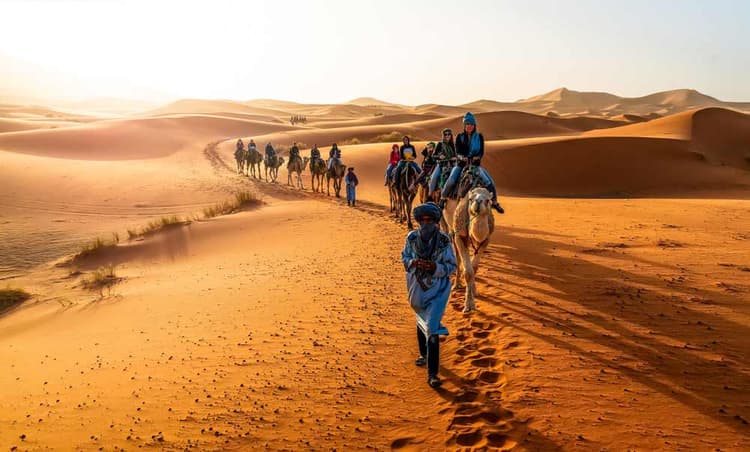
Erg Chebbi Dunes
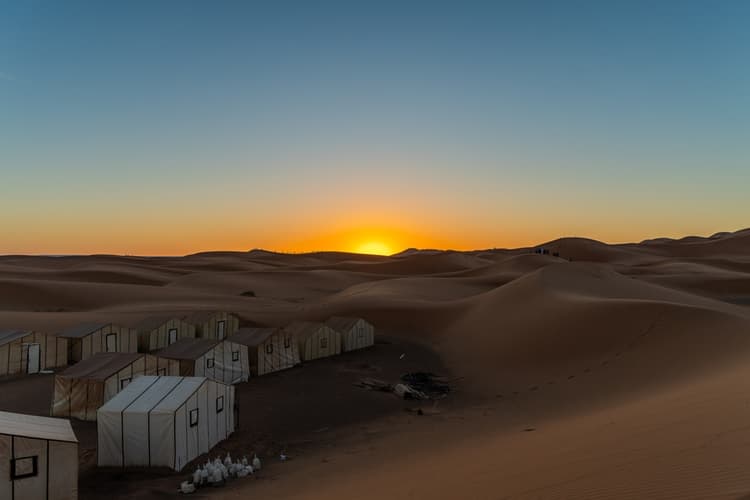
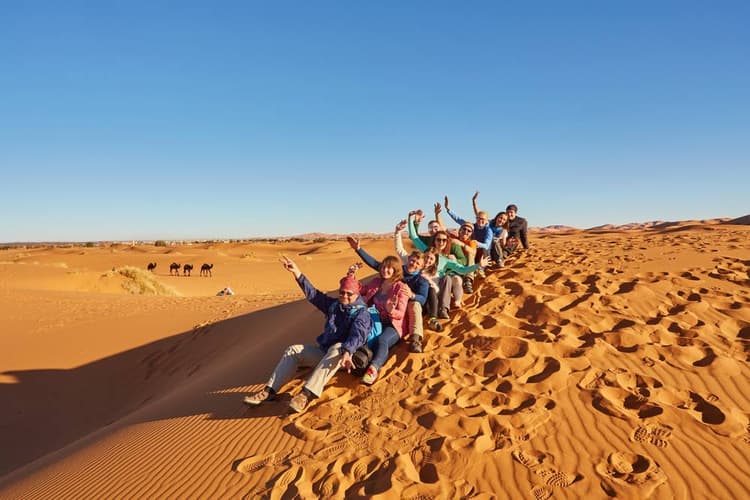
The major dune field beside Merzouga, known for camel trekking, desert camps, stargazing, sandboarding, quad biking, and sunrise viewpoints.
Dayet Srij Lake
A seasonal wetland near Merzouga and Hassilabied that may attract flamingos and migratory birds after rains.
Khamlia Gnawa Village
A small village about 7 km from Merzouga, known for Gnawa music, tea hospitality, oral traditions, and cultural visits.
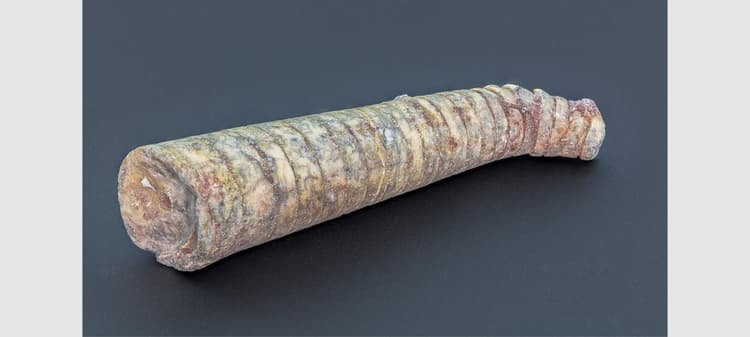
Mifis Mines
Old mine areas often visited on desert circuits, linked with black desert terrain, 4x4 routes, and regional mineral landscapes.
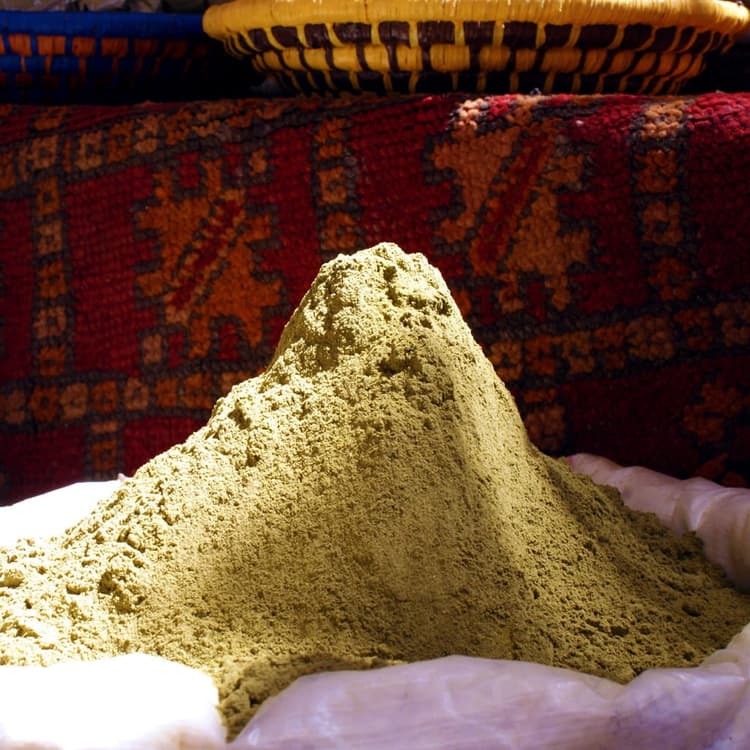
Rissani Souk
The authentic market hub near Merzouga, known for dates, spices, carpets, fossils, Berber jewelry, livestock, and regional goods.
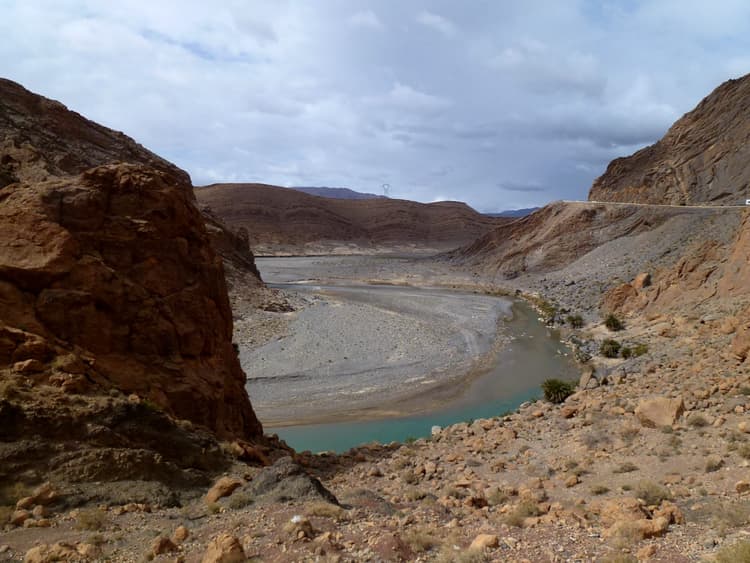
Sijilmassa and Tafilalet Heritage
Nearby heritage linked to Saharan trade, caravan routes, date oases, and the wider history of the Tafilalet region.
Where Can You Shop Near Merzouga?
Merzouga has small tourist-oriented shops, but the main traditional market experience is nearby Rissani, held on Tuesday, Thursday, and Sunday.
Rissani's market sells dates, spices, livestock, carpets, fossils, Berber jewelry, and textiles — a good stop before or after an Erg Chebbi desert trip.
The Souk Directory
Rissani Souk
The main traditional market near Merzouga, known for produce, dates, spices, livestock, carpets, fossils, jewelry, textiles, and household goods.
Sunday Market Day
Often the largest and liveliest market day in Rissani, offering the strongest local atmosphere for visitors before or after the desert.
Erfoud Fossil Workshops
A regional stop associated with polished Devonian marine fossils made into bowls, tables, and decorative objects.
Merzouga Village Shops
Small shops in Merzouga sell scarves, desert clothing, fossils, carpets, bottled water, and souvenirs for travelers heading into Erg Chebbi.
Khamlia Cultural Stops
Modest craft and cultural purchases may be available during Gnawa music visits, with direct support benefiting local hosts and musicians.
The "Fair Price" Reference Table (2024 Estimates)
| Item | Local Name | Est. Price (MAD) |
|---|---|---|
| Handmade Carpet | Zarbia | $30 – $80 |
| Desert Scarf | icharp | Confirm locally |
| Polished Fossil Souvenir | Hajar Ahfouri | Confirm locally |
| Dates | Tmar | Confirm locally |
| Spice Mix | Ras el Hanout | Confirm locally |
| Bottled Water - Desert Camp | Ma Qrari | $2 / 1.5L |
Which Tours Visit Merzouga?
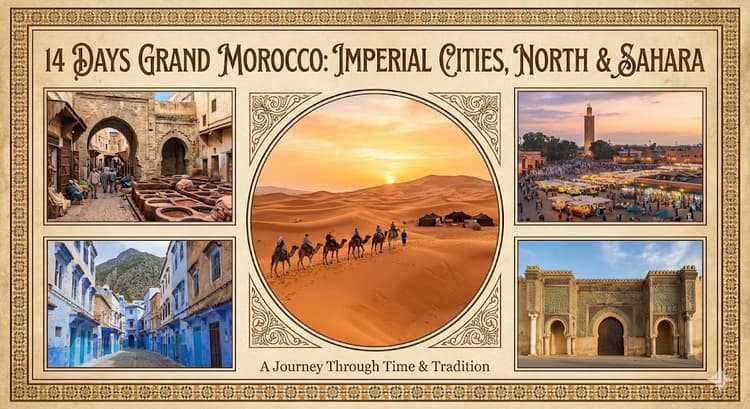
What Are the Best Things to Do in Merzouga?
Frequently Asked Questions
Yes, Merzouga is generally treated as a normal travel destination, but desert safety requires common sense. Use reputable guides for camel treks, 4x4 tours, and ATV rides, carry water, protect yourself from the sun, and avoid wandering alone deep into the dunes.
The best seasons are Spring (March to May) and Autumn (September to November), when desert temperatures are milder. Summer can be extremely hot, while winter often brings clear skies but cold nights in camps and guesthouses.
A conservative travel practice is to use bottled or filtered water, especially in desert camps and during excursions. The heat and remoteness of the area make hydration especially important, so carry more water than you expect to need.
The Moroccan Dirham (MAD). Travelers should carry enough cash for tips, small cafés, village purchases, guides, and local transport, especially before leaving larger towns such as Erfoud, Rissani, or Errachidia.