Dades Valley
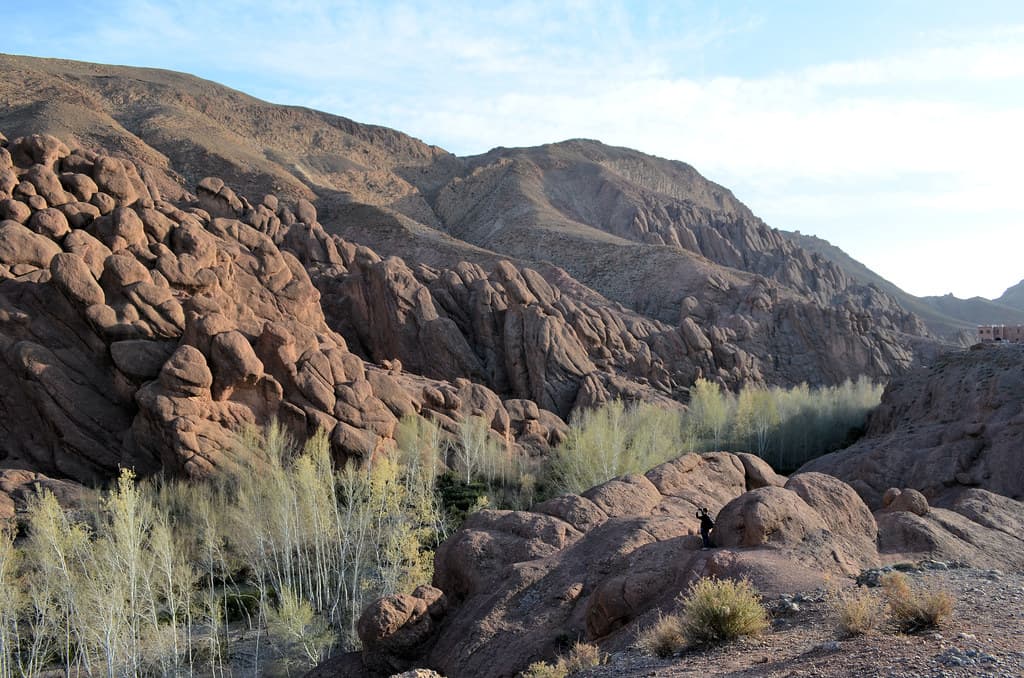
Red-rock gorges, Amazigh villages, kasbahs and dramatic switchback roads in Morocco’s High Atlas.
What Is Dades Valley Known For?
Dades Valley is a mountain valley in southeastern Morocco carved by the Dadès River between the High Atlas and Anti-Atlas, with Boumalne Dadès as its main gateway town.
Part of the Road of a Thousand Kasbahs, it's known for red-rock gorges, oasis fields, and the famous Tisdrine switchbacks, connecting Ouarzazate, Todra Gorge, and the Saharan routes.
31.5833° N, 5.9000° W
High-altitude semi-arid
Ouarzazate Airport (OZZ)
12,328
Moroccan Dirham (MAD)
How Do You Get to Dades Valley?
Find the best transport options to reach Dades Valley comfortably.
By train and bus
The most practical rail-based route combines train travel from Casablanca with onward bus connections toward Boumalne Dadès, usually through Marrakech or Ouarzazate depending on schedules. This option is comfortable for the first part of the journey but requires careful coordination for the final valley leg. Book ahead where possible and confirm the last bus or taxi connection before departure.
By plane via Ouarzazate
Flying is useful if you route through Ouarzazate, the closest major airport to Boumalne Dadès. Schedules may require a connection and should be checked carefully, but this can reduce the longest overland section. From Ouarzazate, continue by car, taxi, or arranged transfer along the N10 toward Boumalne Dadès.
By bus
Long-distance buses connect Casablanca with Boumalne Dadès or nearby route hubs, though travel is slower than driving and schedules should be checked with operators. It is the most straightforward budget option for travelers who do not want to rent a car. Expect a long journey and carry snacks, water, and cash for stops.
By car
Driving from Casablanca offers full flexibility for stopping in Marrakech, crossing toward Ouarzazate, and continuing along the Road of a Thousand Kasbahs. It is a long road journey and best split with an overnight stop if you want to avoid fatigue. Mountain sections require careful driving, especially in winter or after rain.
By private taxi
A private transfer provides the most seamless door-to-door route from Casablanca to the valley, especially for families or travelers with luggage. It should be booked in advance with a clear route, rest stops, and final drop-off point in Boumalne Dadès or the gorge. Prices vary widely by vehicle size and season.
By rideshare
Rideshare options may appear between major cities and route towns, but direct seats to Boumalne Dadès are less predictable than on routes to Marrakech or Ouarzazate. This option suits flexible travelers who can combine legs and confirm luggage space. Always check driver reviews, meeting points, and the exact destination before booking.
What Are Dades Valley's Main Districts?
Dades Valley is organized into 6 main districts, from Boumalne Dadès (Gateway Town) to M’Semrir (Upper Dadès Mountain Area), each with its own character and things to do.
What Is the History Behind the Road of a Thousand Kasbahs?
Dades Valley's history is tied to Amazigh culture, transhumance, and kasbah architecture — Boumalne Dadès developed from an old route controlled by the Aït Atta of Jbel Saghro.
Along the Road of a Thousand Kasbahs, fortified clay and stone structures protected families, harvests, and movement between the High Atlas, oasis valleys, and Saharan plains.
Dadès Gorges
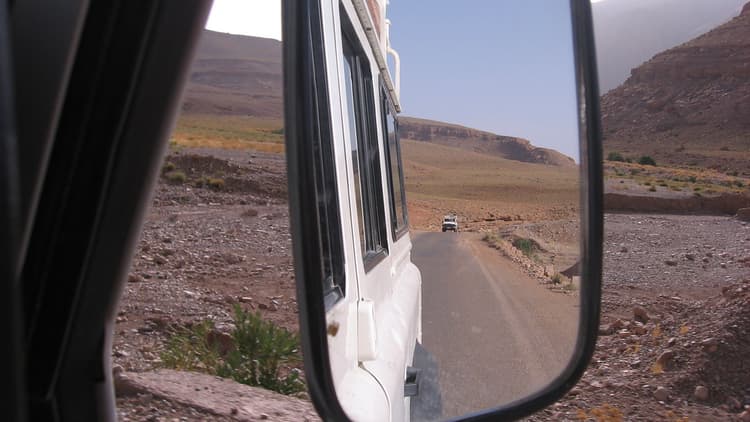
A series of rugged wadi gorges carved by the Dadès River, forming the valley’s defining natural monument north of Boumalne Dadès.
Tisdrine Switchbacks
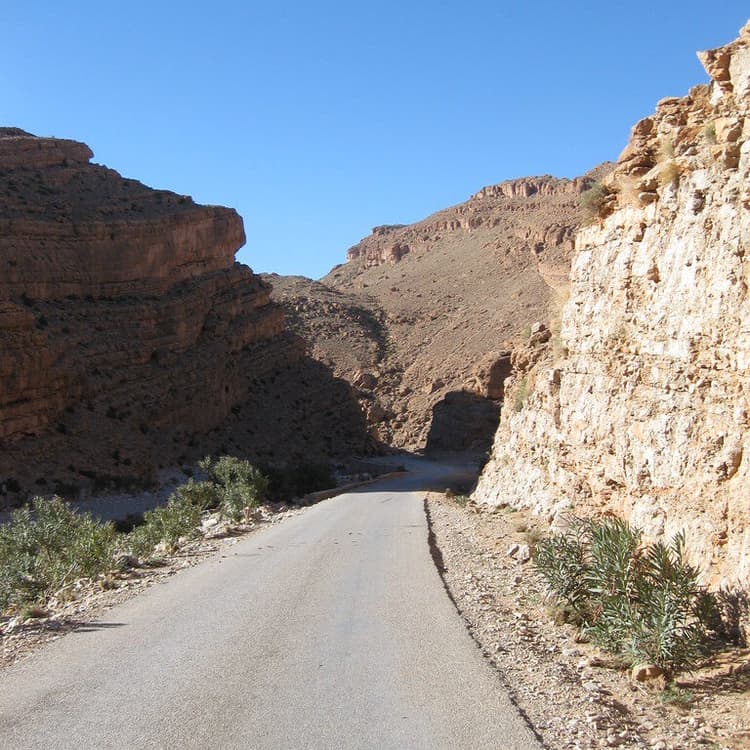
The famous zigzag road viewpoint above the gorge, known for tight hairpin bends and one of the valley’s most photographed panoramas.
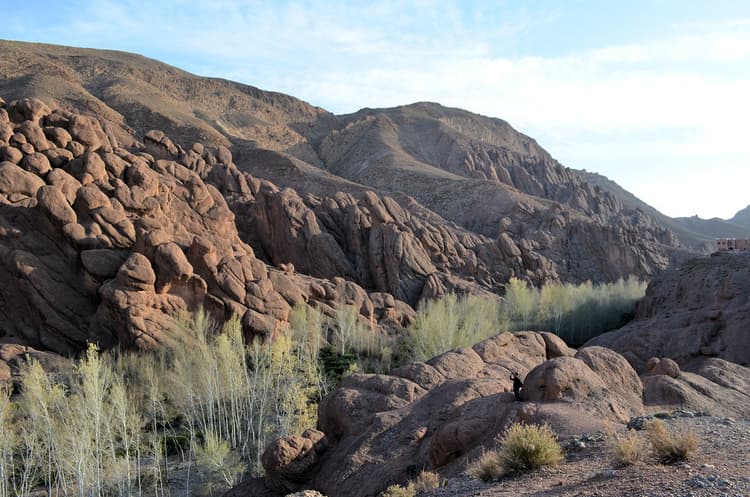
Monkey Fingers
Wind-worn sandstone pillars near Tamellalt, also known as Les Doigts de Singes or Les Pattes de Singes.
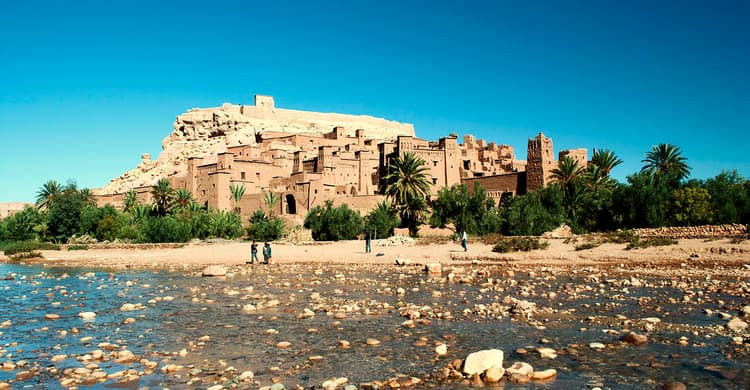
Road of a Thousand Kasbahs
Traditional fortified clay and stone architecture along the Road of a Thousand Kasbahs, tied to trade routes and powerful families.
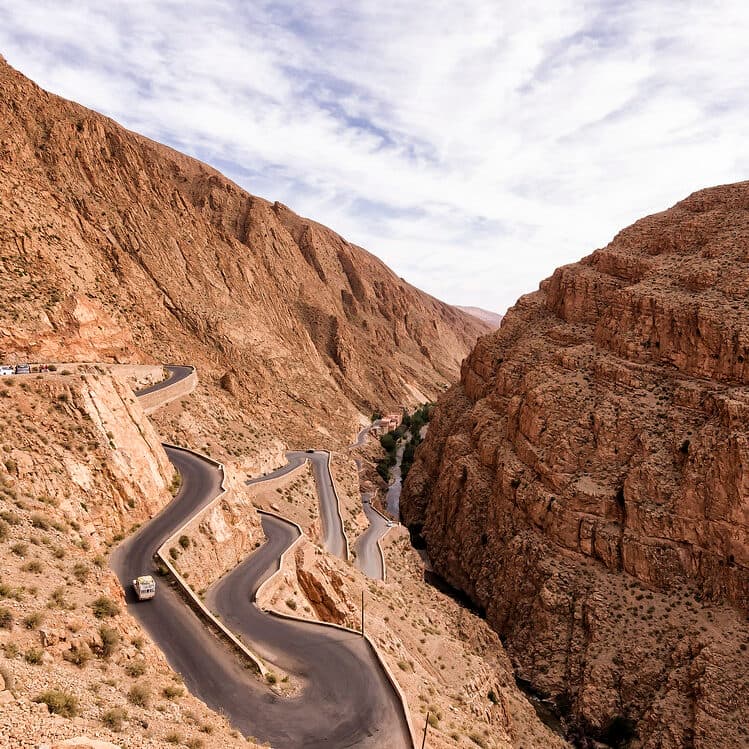
Aït Youl Kasbahs
A valley heritage area associated with kasbahs, village paths, and the cultural landscape between Boumalne Dadès and the gorge.
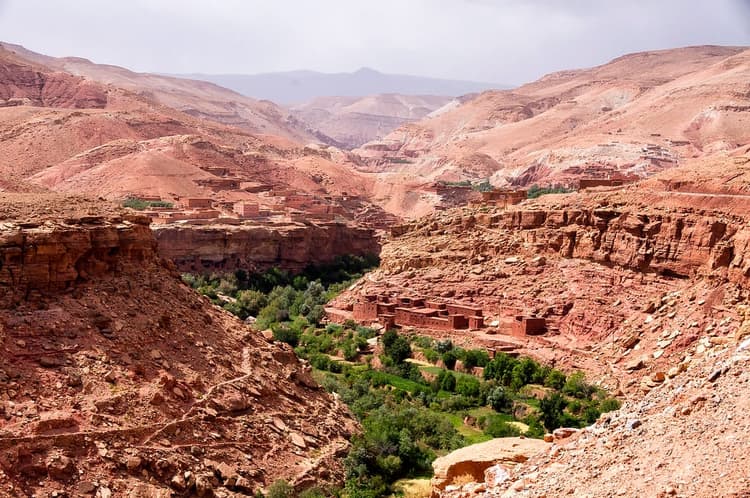
Upper Dadès Route to M’Semrir
The high mountain continuation of the Dadès route, linked to M’Semrir, nomadic movement, souk life, and roads toward Imilchil.
Where Can You Shop in Dades Valley?
Shopping in Dades Valley centers on weekly markets rather than permanent urban souks — Boumalne Dadès is especially useful on Wednesday market day.
Kelaat M'Gouna and the Rose Valley are known for rose water, rose-infused goods, carpets, and silver jewelry.
The Souk Directory
Boumalne Dadès Wednesday Market
The traveling market reserved for Boumalne Dadès on Wednesdays, with produce, spices, textiles, household goods, and rural commerce.
Kelaat M’Gouna Rose Market
A nearby rose-growing market area associated with rose water, rose oil, rose-infused products, and local artisan goods.
Souk El Khemis
A weekly market known for Berber handicrafts, spices, and textiles in the wider Dadès and Rose Valley area.
M’Semrir Souk
A high-valley souk linked to local life, mountain communities, and the cultural rhythm of the upper Dadès route.
Village Crafts and Guesthouse Shops
Guesthouses and village cooperatives often connect travelers with carpets, crafts, rose products, and locally made souvenirs.
The "Fair Price" Reference Table (2024 Estimates)
| Item | Local Name | Est. Price (MAD) |
|---|---|---|
| Cosmetic Argan Oil | Zite Tajmil | 75 – 150 MAD / 100ml |
| Cooking Argan Oil | Zite Argan | 250 MAD / Liter |
| Rose Water | Ma Ward | Varies by quality |
| Rose Products | Muntajat Ward | Check locally |
| Berber Carpet | Zarbia | Varies; haggle carefully |
| Local Bus Fare | Kar | 15 – 30 MAD |
Which Tours Visit Dades Valley?
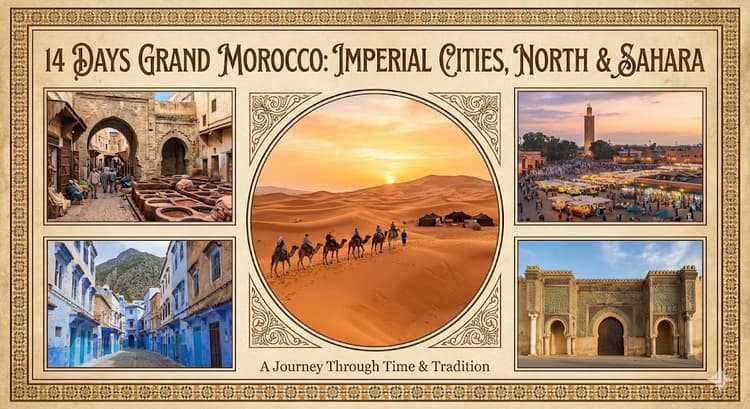
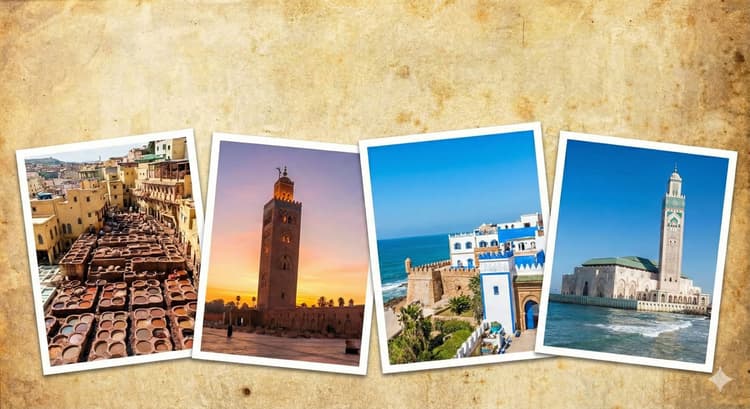
What Are the Best Things to Do in Dades Valley?
Frequently Asked Questions
Yes, with normal travel precautions. The main concerns are mountain-road driving, heat on exposed hikes, winter cold at higher elevations, and the need to plan transport carefully. Use local guides for unfamiliar canyon routes and avoid driving remote roads after dark when possible.
Spring (March to May) and autumn (September to November) are the most comfortable seasons for hiking, driving, and photography. Summers can be very hot in exposed areas, while winters can be cold and may bring occasional snow at higher elevations.
Visitors should rely on bottled or properly filtered water, especially during the first days of travel. Carry extra water for hikes and scenic drives, as services become more limited in the upper valley.
The Moroccan Dirham (MAD). Cash is important for markets, shared taxis, local guides, small guesthouses, and village cafés. Larger hotels may accept cards, but ATMs and card facilities are more limited than in major cities.