Aït Youl Kasbahs
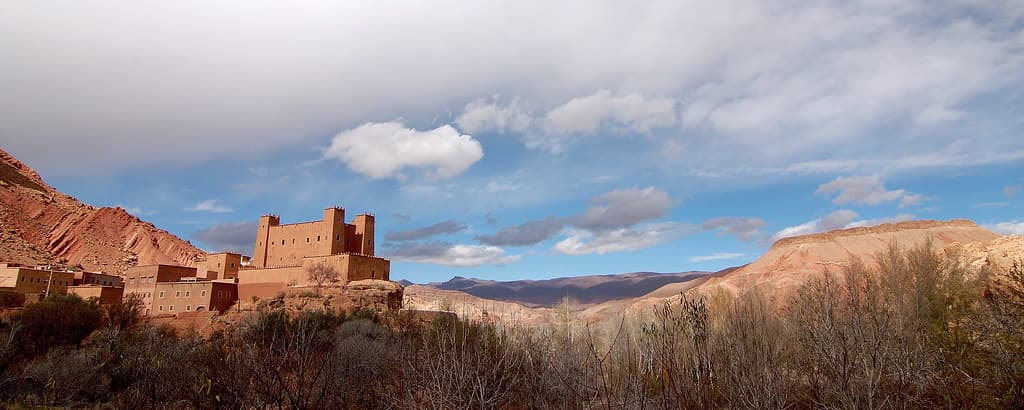
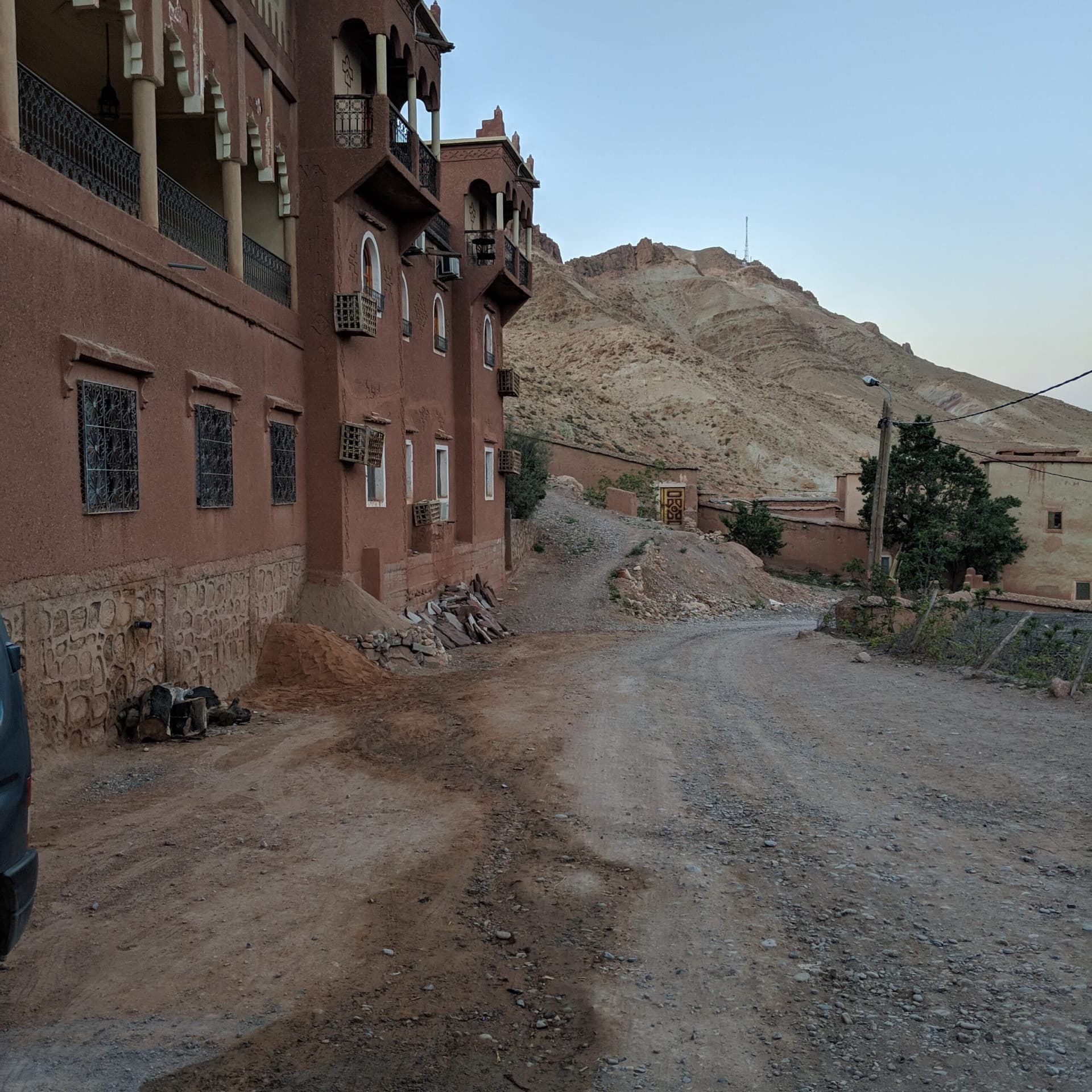
Aït Youl and its surrounding kasbah landscape provide one of the clearest ways to understand Dadès Valley as a cultural corridor rather than simply a scenic canyon. The area is associated with traditional fortified architecture and has been identified in travel references as a point of interest within Dadès Valley. Here, the built environment is inseparable from the terrain: earthen walls echo the color of the hills, village lanes follow the contours of fields, and older structures speak to patterns of defense, landholding, and local authority. The kasbahs of the region were not ornamental palaces but practical fortified residences connected to trade, agriculture, and family power. Their presence reflects the wider history of the Road of a Thousand Kasbahs, where movement between Ouarzazate, Dadès, Tinghir, and the desert required secure places and organized communities. Travelers may not always find formal interpretation panels or museum-style access, so a guided walk or local explanation can add valuable context. The area is excellent for photography, particularly when the afternoon light warms the clay and stone surfaces. It also offers a quieter alternative to the more famous viewpoints farther north. For visitors based in Boumalne Dadès, Aït Youl can be included in a gentle half-day exploration of village architecture, gardens, and the valley’s layered Amazigh heritage.
Gallery