Dadès Gorges
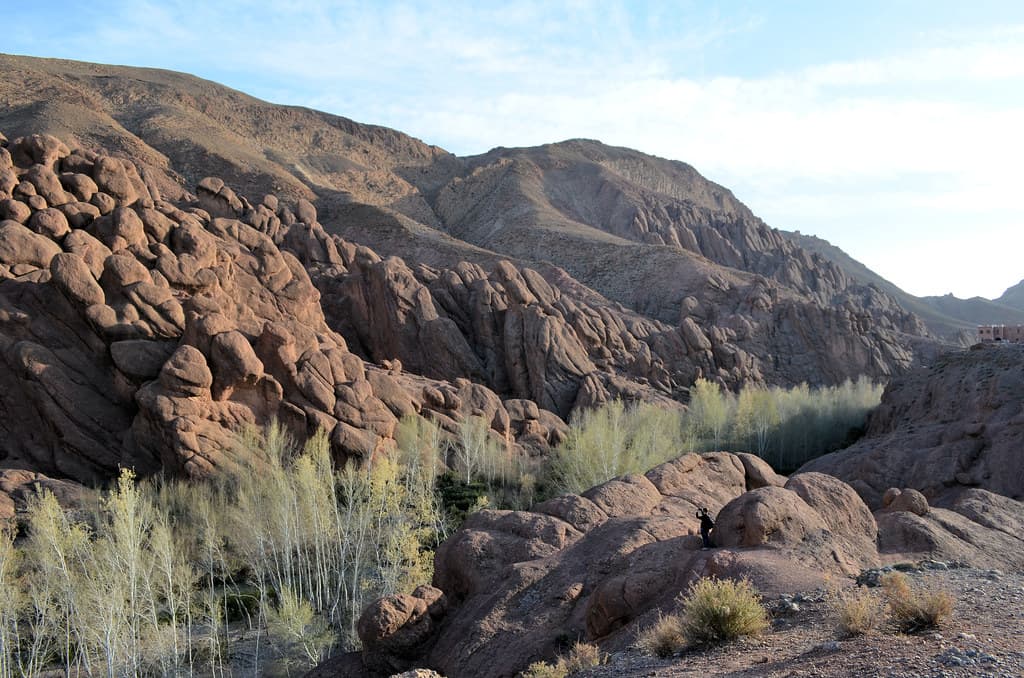
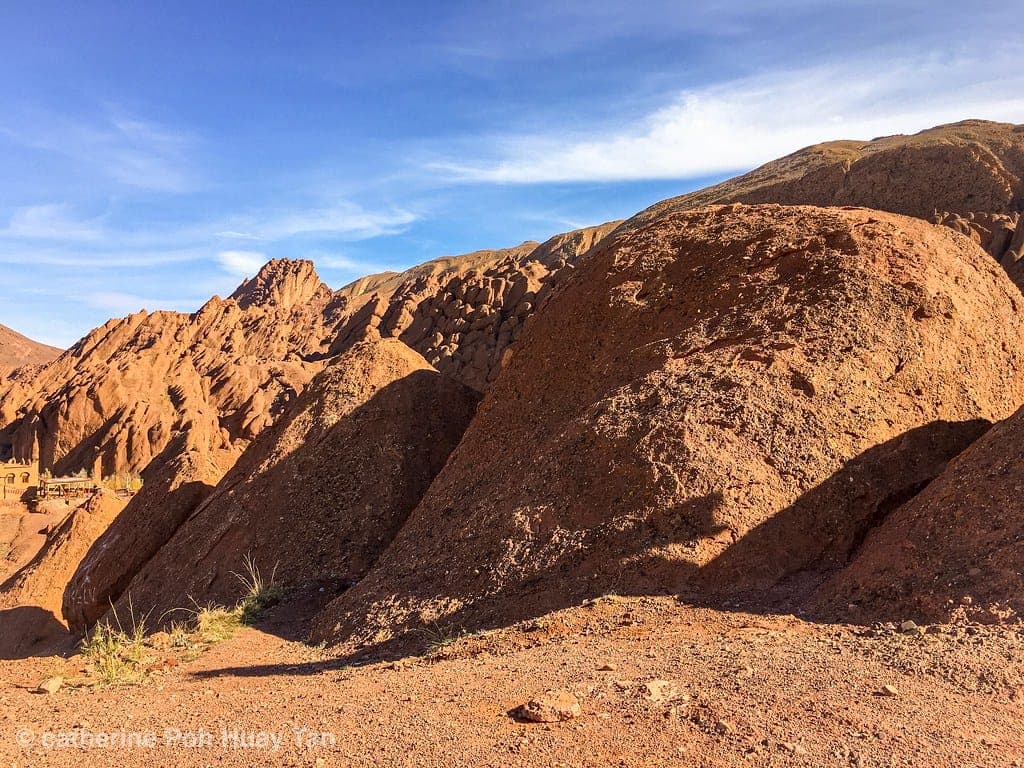
The Dadès Gorges are the defining natural monument of Dadès Valley, a dramatic series of rugged wadi canyons carved over time by the Dadès River. Located north of Boumalne Dadès in southeastern Morocco, the gorges sit between the High Atlas and the desert-edge landscapes that lead toward the Anti-Atlas and Saharan plains. The scenery is instantly recognizable: red and ochre cliffs, narrow canyon passages, green river gardens, and villages built from earth-toned materials that blend into the rock. Unlike a single enclosed canyon, Dadès is experienced as a route, with the road rising and turning through changing layers of valley and gorge. Historically, this corridor formed part of wider mountain movement and trade patterns, connecting Amazigh communities, seasonal routes, and fortified settlements. Today, it is one of the classic stops on journeys between Ouarzazate, the Road of a Thousand Kasbahs, Todra Gorge, and the desert. Travelers visit for scenic drives, short hikes, photography, and overnight stays in kasbah-style guesthouses. The gorge is especially rewarding in spring and autumn, when temperatures are mild and the river-fed greenery contrasts strongly with the cliffs. While the main road is accessible in many conditions, mountain weather and seasonal damage can affect travel, so local advice remains important. Dadès Gorges offer a powerful introduction to Morocco’s southern mountain landscapes and Amazigh valley culture.
Gallery