
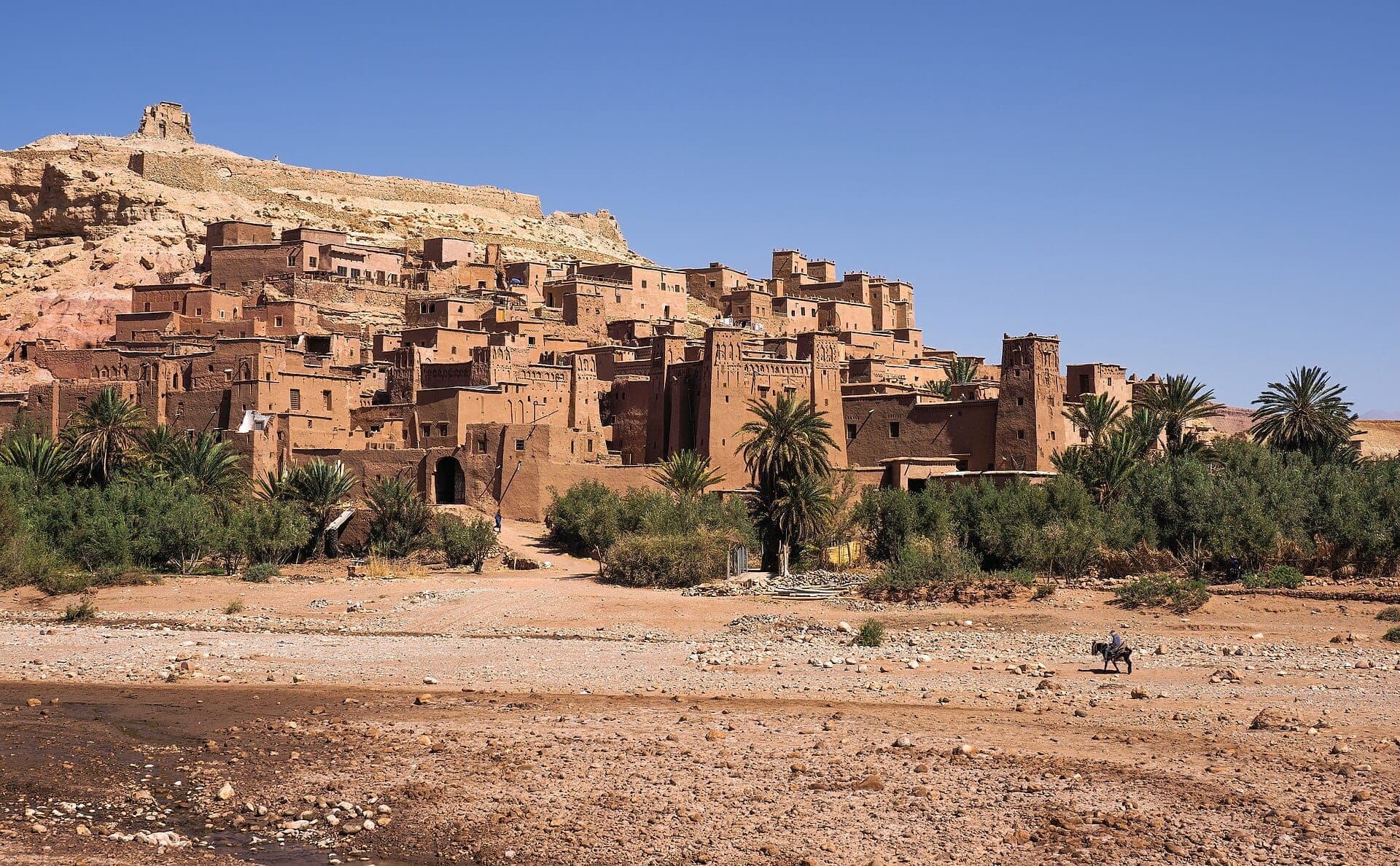
Aït Benhaddou
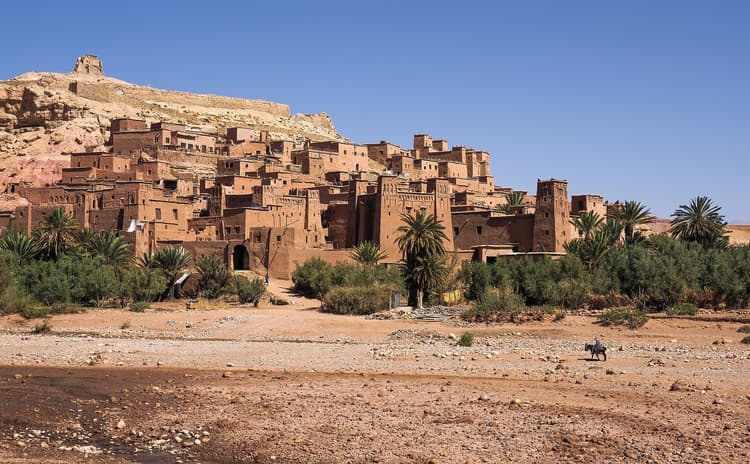
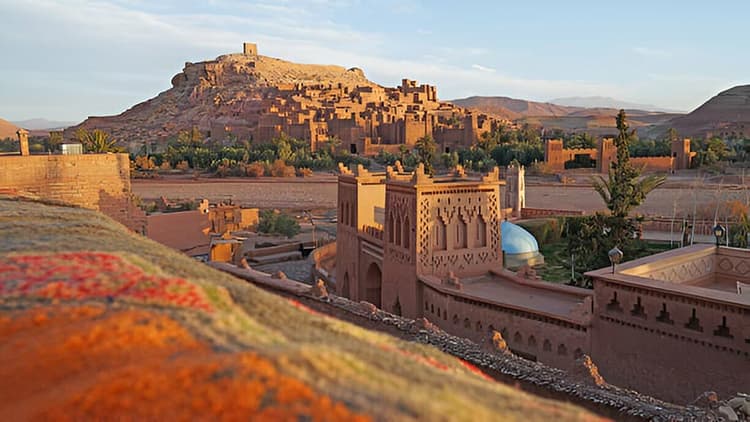
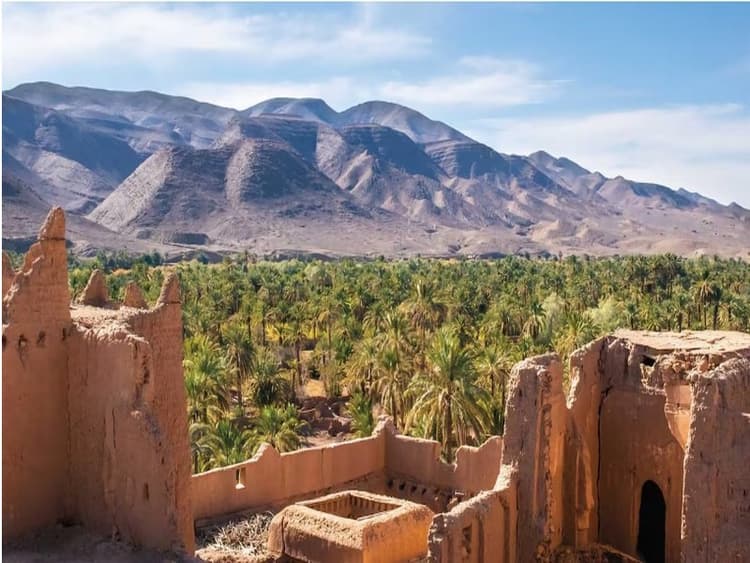
A UNESCO-listed earthen ksar on the old Sahara–Marrakesh caravan route, framed by the Ounila Valley and the High Atlas.
What Is Aït Benhaddou Known For?
Ait Benhaddou is a historic ksar — a fortified earthen village — on the former caravan route between the Sahara and Marrakesh, and a UNESCO World Heritage Site since 1987 for its defensive walls and corner towers.
Located in Ouarzazate Province in the Ounila Valley, it functions as a cultural gateway between the High Atlas, Ouarzazate, and the desert routes of southern Morocco.
31.0500° N, 7.1330° W
Desert (BWk)
Ouarzazate Airport
~300 (fewer than 10 families remain inside the ksar itself; most residents live across the river in the modern village)
Moroccan Dirham (MAD)
How Do You Get to Aït Benhaddou?
Find the best transport options to reach Aït Benhaddou comfortably.
By train and road transfer
Travel by rail from Casablanca toward Marrakech, then continue by road over the High Atlas toward Ouarzazate and Aït Benhaddou. This is a comfortable way to break up the journey, but the ksar has no verified train station, so the final stage must be completed by bus, taxi, private transfer, or organized tour.
By plane via Ouarzazate
Fly from Casablanca to Ouarzazate Airport, the nearest airport to Aït Benhaddou, then continue by taxi or pre-booked transfer. Direct Casablanca–Ouarzazate flights are reported at about 1h 30m, while the airport-to-ksar road transfer is around 37–60 minutes depending on service and conditions.
By bus via Marrakech or Ouarzazate
Long-distance buses generally route via Marrakech or Ouarzazate rather than stopping directly at the ksar. This is the most economical overland approach, but it requires planning a final taxi or shared taxi from Ouarzazate to Aït Benhaddou, especially if arriving late in the day.
By car
Driving gives the greatest flexibility for combining Casablanca, Marrakech, the Tizi n’Tichka pass, Telouet, Ouarzazate, and Aït Benhaddou. The route is long, and the mountain section should be approached with patience, daylight, and time for weather or road delays.
By private taxi
A private taxi or transfer from Casablanca is a premium but direct solution for groups or travelers with luggage. Most itineraries still follow the main road pattern through Marrakech and the High Atlas, so it is best treated as a full-day transfer rather than a quick point-to-point ride.
By rideshare
Rideshare options may be available toward Marrakech or Ouarzazate, but direct rides to the ksar are less predictable. Confirm the final drop-off carefully, as being left in Ouarzazate still requires a shared taxi, private taxi, or local transfer to Aït Benhaddou.
What Are Aït Benhaddou's Main Districts?
Aït Benhaddou is organized into 6 main districts, from The Old Ksar (UNESCO Site) to The Ounila Valley Corridor, each with its own character and things to do.
What Is the History Behind Ait Benhaddou's Ksar and Towers?
Ait Benhaddou's history is tied to the former caravan route between the Sahara and Marrakesh — the ksar is a traditional pre-Saharan habitat with houses crowded inside defensive walls reinforced by corner towers.
Its architecture includes kasbah-style family towers, communal areas, granary functions, mosque references, and hilltop viewpoints that together illustrate a fortified settlement built for habitation, trade, storage, and defence.
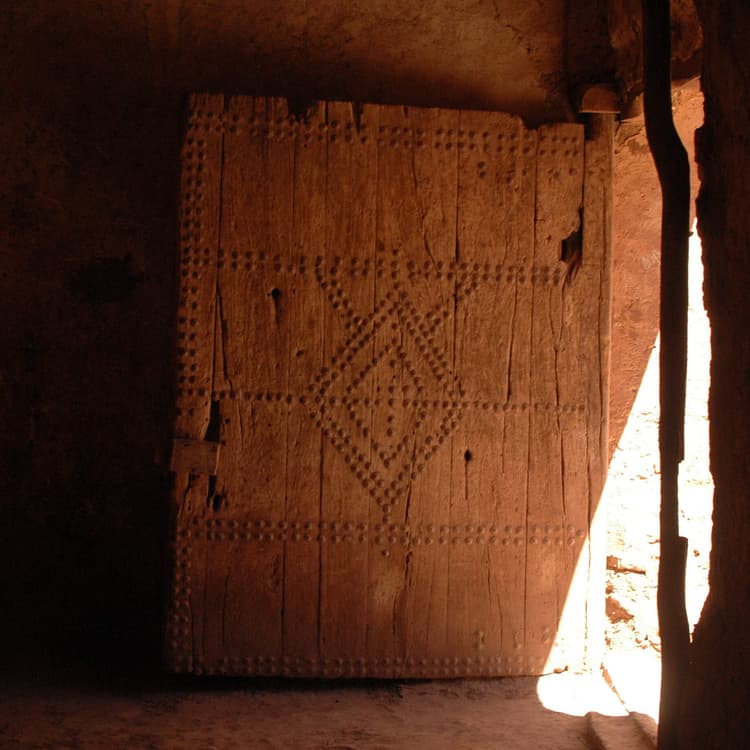
Main Ksar Approach
The main approach into the old ksar, reached from the modern village by crossing the Ounila River on stepping stones or a pedestrian bridge in some accounts.
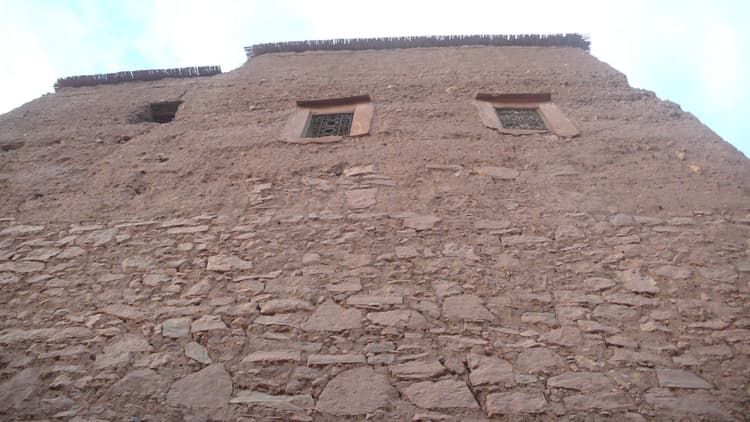
Defensive Walls and Corner Towers
The high defensive walls and reinforced corner towers that enclose the crowded earthen houses of the ksar and define its fortified profile.
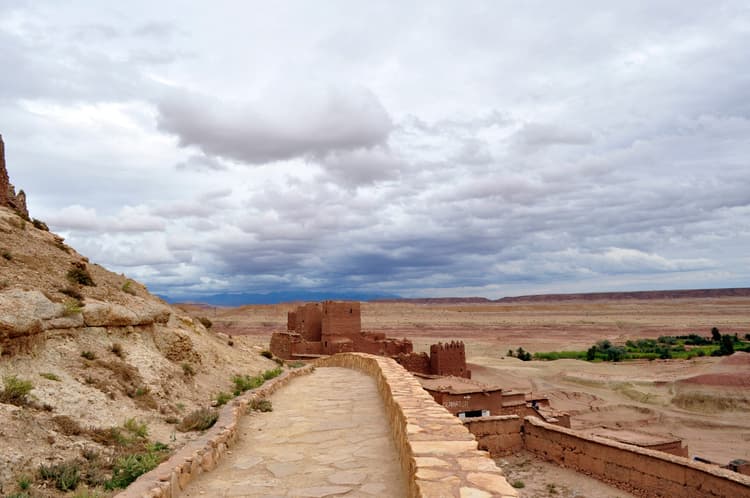
Earthen Houses and Family Towers
The clustered mud-brick houses and kasbah-style family towers that give the ksar its vertical form and demonstrate pre-Saharan earthen construction.
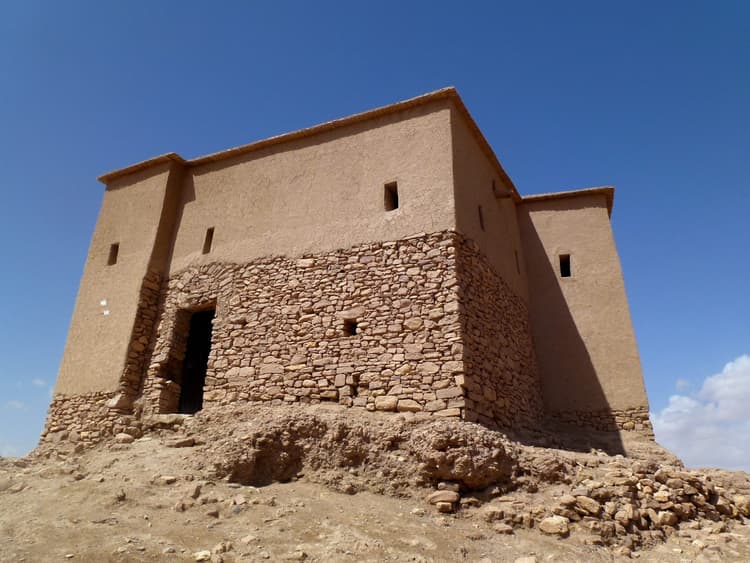
Granary and Agadir Area
The upper granary or agadir area, associated with storage and communal functions, reached by climbing through the lanes above the ksar.
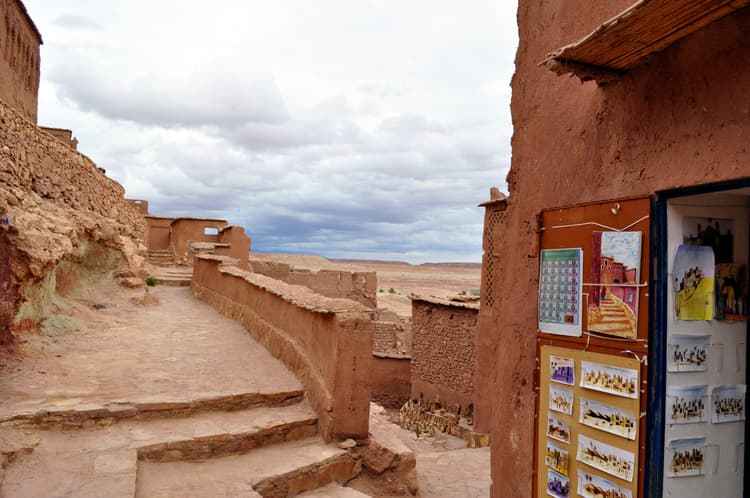
Mosque and Communal Spaces
The mosque or ruined-mosque references noted in visitor circuits, reflecting the communal and religious life once organized within the fortified settlement.
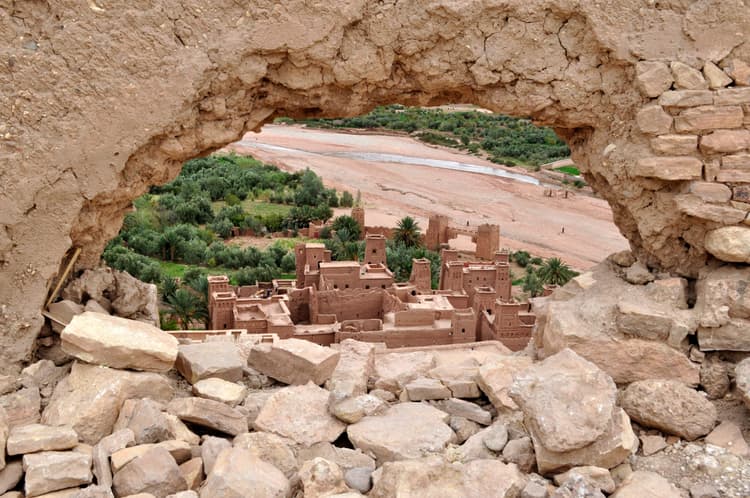
Hilltop Viewpoint
The hilltop viewpoint above the ksar, offering spectacular views in all directions across the old walls, modern village, and Ounila Valley.
Where Can You Shop in Ait Benhaddou?
Ait Benhaddou doesn't have a large formal souk like Marrakech or Fes. Shopping here is organized around small local shops, souvenir stalls, and craft displays in or near the ksar.
Bargaining is expected unless prices are clearly fixed.
The Souk Directory
River Approach Stalls
Small stalls near the river approach selling souvenirs, postcards, scarves, and quick visitor essentials before entering the old ksar.
Ksar Craft Shops
Compact shops in or near the kasbah lanes offering rugs, pottery, Berber jewelry, and locally styled decorative goods.
Modern Village Shops
Local sellers and small shops where argan oil, carpets, silver jewelry, babouches, and traditional souvenirs may be found.
Rug and Textile Displays
Informal textile and rug shopping in the wider area, where quality, size, and bargaining strongly affect the final price.
View Cafés and Restaurants
Terrace restaurants and cafés facing the ksar, useful for mint tea, tagines, and panoramic views when shopping options are limited.
The "Fair Price" Reference Table (2024 Estimates)
| Item | Local Name | Est. Price (MAD) |
|---|---|---|
| Spices | Atar | $3 – $8 / 100g |
| Ceramic Bowl | Zlafa | $5 – $12 |
| Textile Scarf or Blanket | Mendil | $8 – $50 |
| Brass Lantern | Fanoos | $20+ |
| Leather Slippers | Babouche | $7 – $15 |
| Local Guide - 1 hour | Mourchid Mahalli | $15 – $20 |
Which Tours Visit Aït Benhaddou?
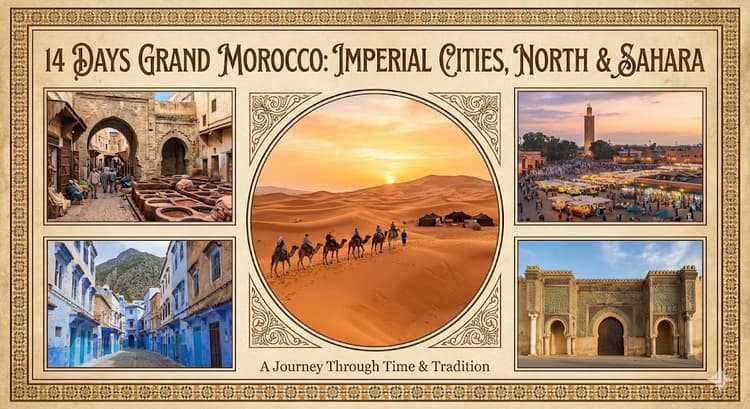
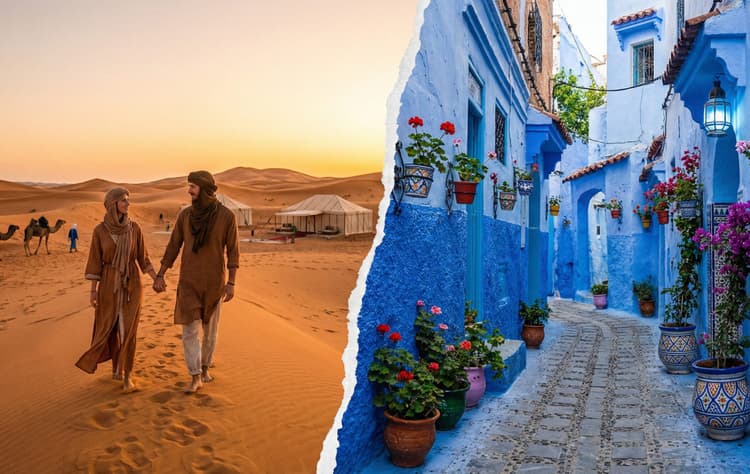
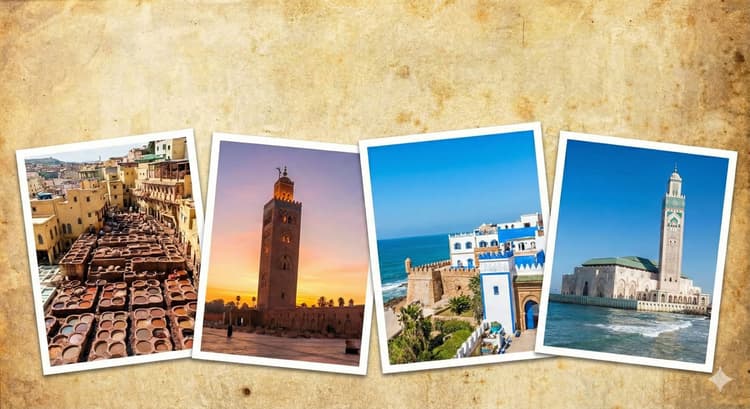
What Are the Best Things to Do in Ait Benhaddou?
Frequently Asked Questions
Aït Benhaddou is generally visited safely by independent travelers, families, and guided groups. Standard Morocco precautions apply: keep valuables secure, use registered transport or trusted drivers, and be cautious on uneven steps, exposed viewpoints, and the river crossing.
Spring and autumn are the most comfortable seasons because Aït Benhaddou has a desert climate with very low rainfall and strong temperature variation. In summer, plan for early morning or late afternoon visits rather than walking the exposed lanes at midday.
General Morocco travel advice recommends bottled or filtered water for visitors, as local tap water and mineral levels may upset stomachs. Carry water with you inside the ksar and on the hilltop walk, especially in warm weather.
The Moroccan Dirham (MAD). Aït Benhaddou is a small visitor village rather than a major city, so carry cash for guides, tips, cafés, parking, and small shops, as card acceptance and ATM access should not be assumed.