
Fes
Morocco’s spiritual capital: a UNESCO-listed medina of madrasas, souks, gates, tanneries and living craft traditions.
What Is Fes Known For?
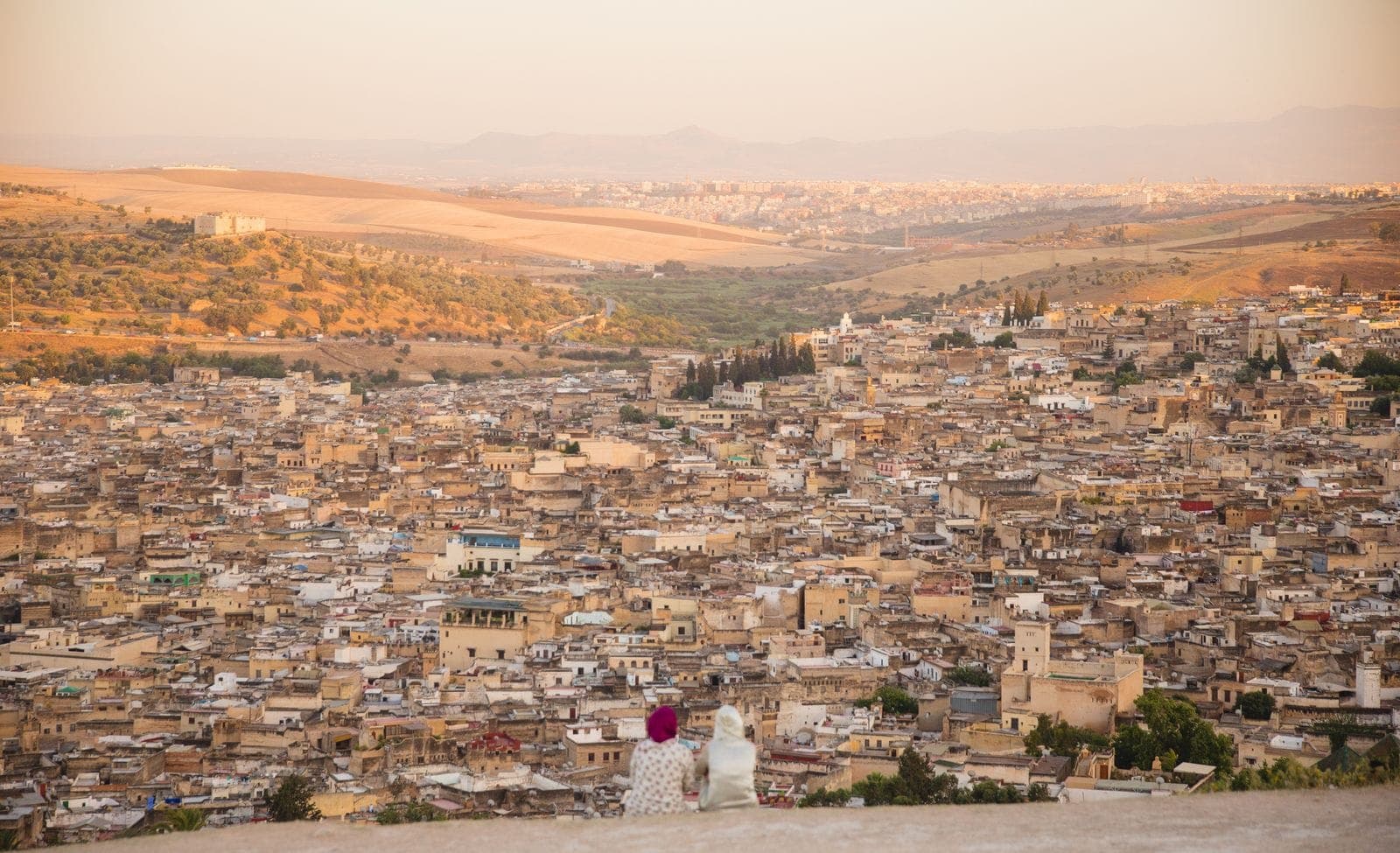
Fes is Morocco's cultural and spiritual capital, founded in 789 by Idris I and expanded in the early 9th century by his son Idris II, later becoming the kingdom's political capital under the Marinid dynasty in the 13th–14th centuries. Its UNESCO-listed medina is split between the old Fes el-Bali and the royal Fes Jdid quarter.
The political capital moved to Rabat in 1912, but Fes remains Morocco's cultural and spiritual centre, and the main route into northern and central Morocco and the Middle Atlas.
34.0331° N, 5.0003° W
Mediterranean (Csa)
Fès–Saïss Airport
1.256 million
Moroccan Dirham (MAD)
How Do You Get to Fes?
Find the best transport options to reach Fes comfortably.
By train
Enjoy a direct and comfortable rail journey from Casablanca to Fes on Morocco’s ONCF network. Trains operate regularly throughout the day, making this one of the most dependable city-center options for travelers moving between the economic capital and the cultural heart of northern Morocco. First-class seats are a practical upgrade for extra space on this busy intercity route.
By plane
Flying between Casablanca and Fes is possible through domestic or connecting schedules, but it is usually less convenient than the train once airport transfer, check-in, security, and waiting times are included. This option is most useful for travelers already connecting through Mohammed V Airport and matching a suitable flight time.
By Bus
CTM coaches link Casablanca and Fes with regular departures and modern long-distance buses. This is a solid budget option with assigned seats, luggage storage, and predictable schedules. It is slightly slower than the train but can be useful if your departure point is closer to the bus terminal.
By Car
Driving from Casablanca to Fes follows the main motorway corridor across northern Morocco. The route is straightforward for confident drivers and gives flexibility for rest stops along the way. Keep Moroccan dirhams or a payment card available for tolls and allow extra time for traffic when entering either city.
By private taxi
A private transfer offers direct door-to-door travel from Casablanca to your hotel or riad in Fes. It is the most convenient choice for families, late arrivals, or travelers carrying heavy luggage. Confirm the fare, pickup point, and final medina drop-off arrangements in advance, since vehicles cannot enter many old-city lanes.
By rideshare
Rideshare and carpool options may be available between Casablanca and Fes, especially because both cities are major travel hubs. This can be cheaper than a private taxi and faster than some buses, but schedules depend on individual drivers. Confirm luggage space, pickup point, and drop-off location before booking.
What Are Fes's Main Districts?
Fes is organized into 6 main districts, from Fes el-Bali (UNESCO Medina) to Agdal (Modern Neighborhood), each with its own character and things to do.
What Is the History Behind Fes's Ramparts and Gates?
Fes's fortifications include ramparts, historic gates, and kasbahs surrounding its two old quarters, Fes el-Bali and Fes Jdid. The oldest and most important gates of Fes el-Bali are Bab Mahrouk, Bab Guissa, and Bab Ftouh.
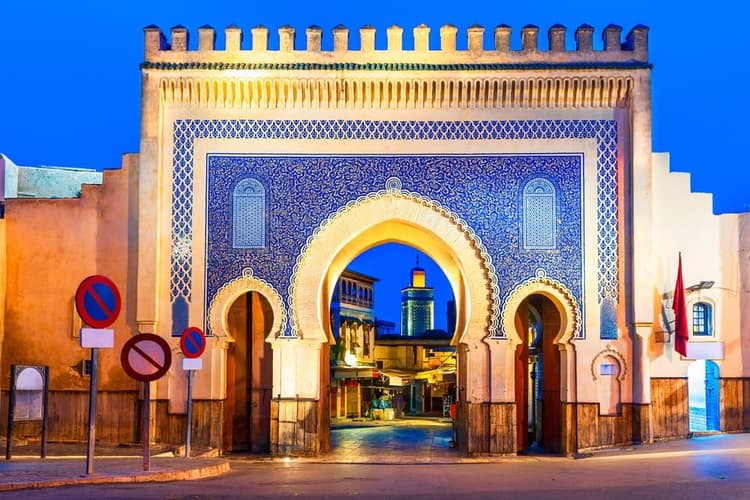
Fes Jdid is marked by its own major gates — Bab Semmarine, Bab Dekkakin, and Bab al-Amer. The best-known gate today, Bab Bou Jeloud, is actually a 1913 addition, built more for ceremony than defense.
Bab Bou Jeloud
The ornate ceremonial entrance to Fes el-Bali, known as the Blue Gate. The current gate was built in 1913 during the French colonial period.
Bab Guissa
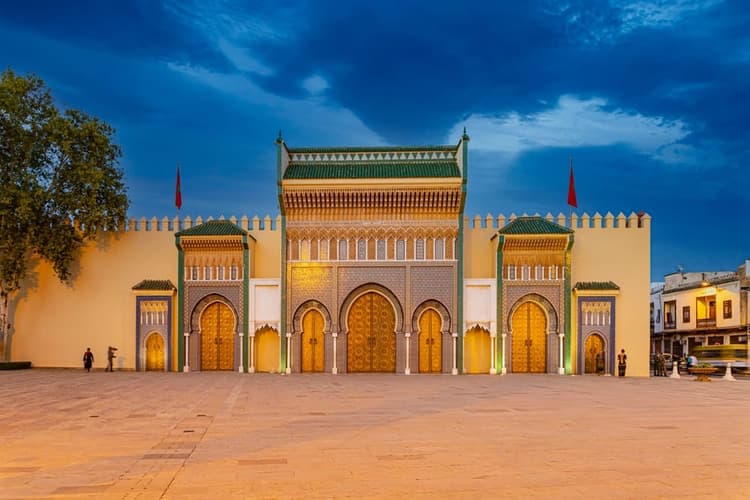
A major northern gate of Fes el-Bali, with a gate by this name present since at least the 11th century and associated with historic access into the old city.
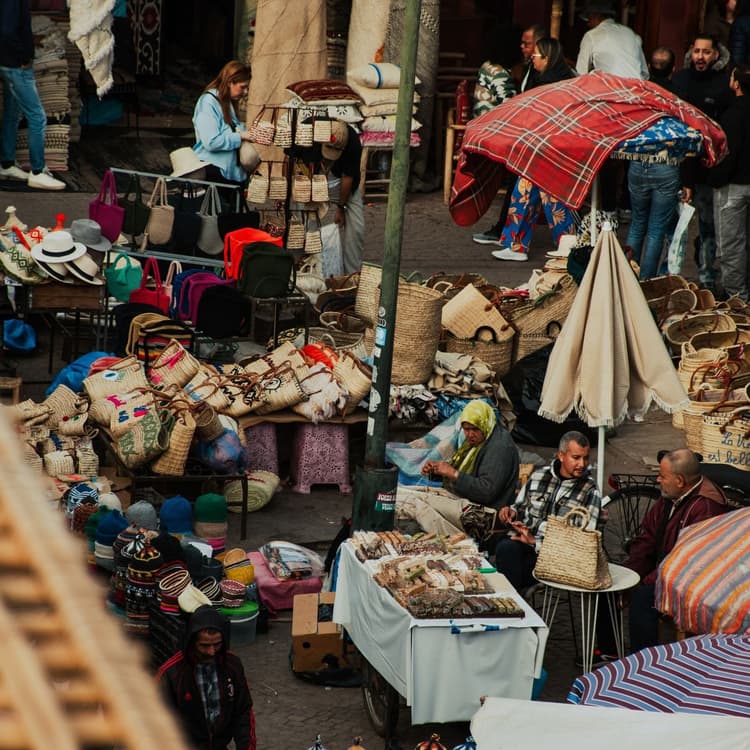
Bab Ftouh
The main southeastern gate of Fes el-Bali, traditionally interpreted as the Gate of Opening or Conquest and linked to the fortified structure of the medina.
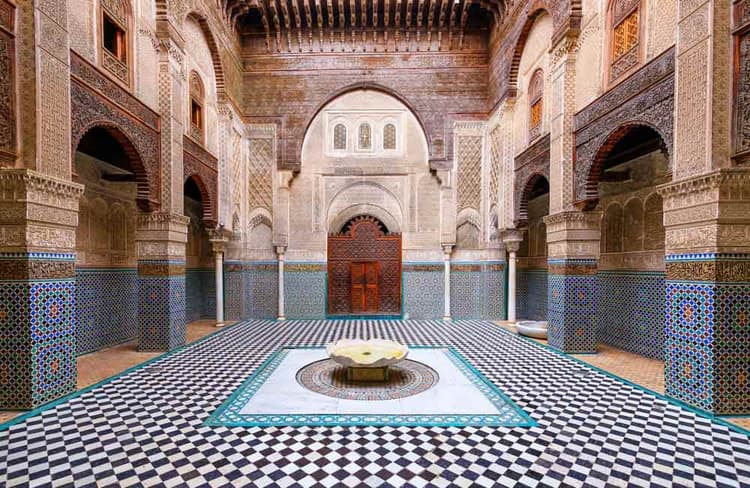
Bab Semmarine
A monumental southern gate of Fes Jdid, historically associated with the Marinid royal quarter and the movement between palace, markets, and fortified streets.
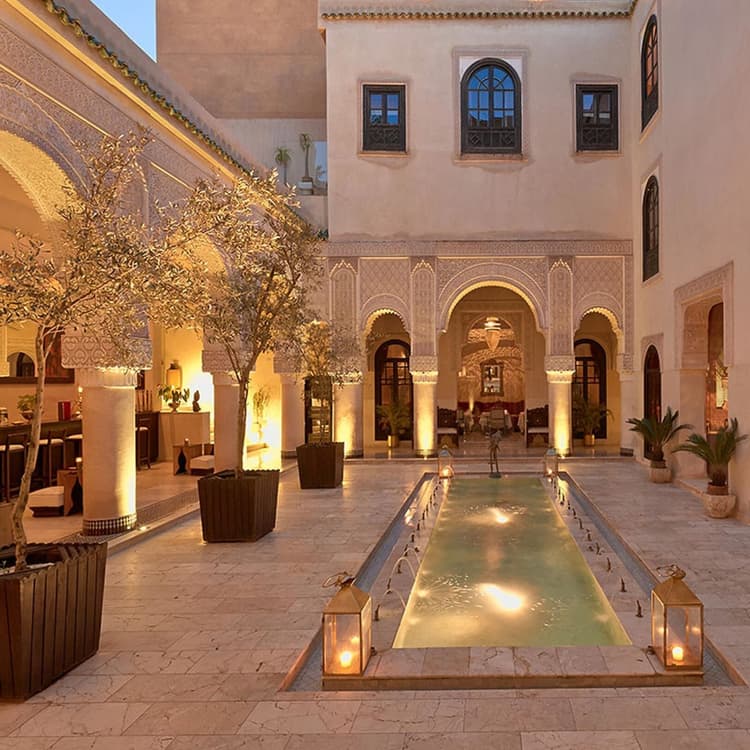
Bab Dekkakin
A significant gate of Fes Jdid, linked to the royal and military architecture of the Marinid quarter and the fortified approaches to the palace zone.
Bab al-Amer
A major gate of Fes Jdid, associated with the fortified royal quarter and the historic access routes around the palace and surrounding urban fabric.
What Can You Buy in the Fes Souks?
The souks of Fes are organized around historic craft and trade areas, each specializing in a specific good — spices, henna, metalwork, woodcraft, textiles, ceramics, and leather near the tanneries.
Use this guide to navigate the specific markets by craft rather than wandering the medina at random.
The Souk Directory
Souk Attarine
Spices, perfumes, beauty products, nuts, dried fruits, and herbal goods.
Souk el-Henna
Henna, traditional cosmetics, herbal remedies, and small local goods.
Seffarine Square
Metalworkers and coppersmiths producing trays, lamps, pots, and brassware.
Nejjarine
Woodcraft, carpentry, carved cedar work, and the historic funduq museum area.
Kissaria Serrajine
Central shopping arteries for textiles, clothing, accessories, and medina commerce.
The "Fair Price" Reference Table (2024 Estimates)
| Item | Local Name | Est. Price (MAD) |
|---|---|---|
| Leather Slippers | Babouche | $8 – $15 |
| Leather Bag | Sac Jeld | $20 – $60 |
| Ceramic Plate | Sahfa Fassi | $5 – $20 |
| Argan Oil (Cosmetic) | Zite Tajmil | $6 – $12 / 100ml |
| Wool Blanket | Hanbel | $20 – $80 |
| Small Handmade Rug | Zarbia | $80 – $200 |
Desert Tours & Day Trips Starting from Fes
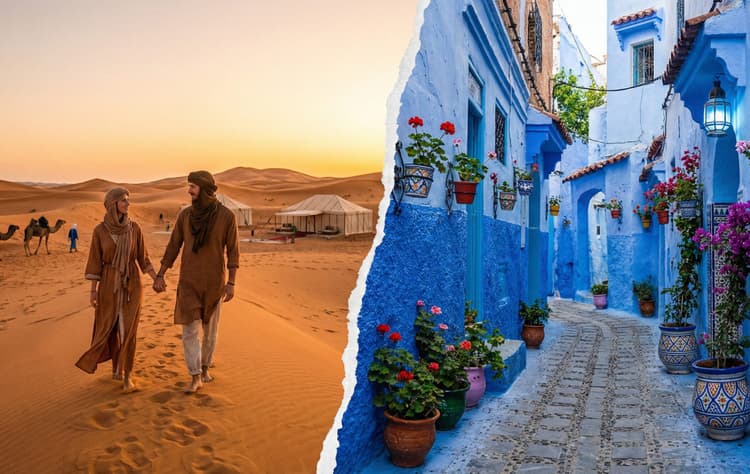
Which Tours Visit Fes?
What Are the Best Things to Do in Fes?
Frequently Asked Questions
Yes, Fes is widely visited by tourists, but normal city precautions are important. Use licensed guides, avoid unofficial “guides,” agree taxi fares or request the meter, and stay alert to sales pressure around the medina and tanneries.
The shoulder seasons of Spring (March to May) and Autumn (September to November) offer the most comfortable conditions for walking the medina. Summers are hot and dry, while winters are cooler and wetter.
Major-city tap water is treated, but short-term travelers are commonly advised to drink bottled or filtered water to avoid stomach upset. Carry water when walking the medina, especially in warm months.
The Moroccan Dirham (MAD). ATMs are common in modern districts and near transport hubs, but cash is still important for medina souks, small cafés, taxis, and tips.