Meknes
A quieter Moroccan imperial city of monumental gates, Moulay Ismail’s ramparts, medina souks, and easy access to Volubilis.
What Is Meknes Known For?
Meknes is a historic imperial city in northern central Morocco, founded in the 11th century by the Almoravids as a military settlement. It became an imperial capital under Sultan Moulay Ismail (1672–1727), who built its Spanish-Moorish-style walls and gates.
Its UNESCO-recognized old city preserves a compact medina, monumental gates, imperial ramparts, and palace remains, and it connects travelers to Volubilis, Moulay Idriss, and Fes.
33.8935° N, 5.5473° W
Semi-arid
Fès–Saïss Airport
393,791
Moroccan Dirham (MAD)
How Do You Get to Meknes?
Find the best transport options to reach Meknes comfortably.
By train
Enjoy a smooth and comfortable ride on Morocco’s reliable rail network from Casablanca to Meknes al Amir. Trains operate frequently, and the journey is one of the most practical ways to reach the imperial city without driving. First-class tickets are a useful upgrade during busy travel periods for more space and a quieter carriage.
By plane
There is no practical direct flight from Casablanca to Meknes, as the city is normally served by nearby Fès–Saïss Airport. Flying is generally not useful for this short overland route unless it is part of a wider itinerary involving Fez and onward road transfer. Most travelers will find the train or bus faster overall once airport procedures are included.
By Bus
CTM operates coach services between Casablanca and Meknes, offering a dependable and budget-conscious alternative to the train. Modern buses provide reserved seats, luggage storage, and a straightforward city-to-city connection. It is a practical choice for travelers whose accommodation is closer to the bus station than the rail line.
By Car
Driving from Casablanca gives you flexibility to stop along the way and arrive directly at your hotel or riad. Travel time depends on traffic, route choice, fuel, and tolls, but the highway network between Morocco’s major cities is generally straightforward. Keep local currency available for toll booths and plan extra time when leaving Casablanca.
By private taxi
A private taxi or pre-booked transfer offers door-to-door convenience, especially for families, small groups, or travelers with heavy luggage. It is more expensive than public transport but removes the need to navigate stations on arrival. Confirm the total fare in advance and agree whether tolls and waiting time are included.
By rideshare
Ridesharing can provide a flexible and economical middle ground between public transport and a private transfer. Availability varies by date and driver, so check departure points carefully and confirm luggage space before booking. It is best suited to solo travelers or couples comfortable with informal intercity arrangements.
What Are Meknes's Main Districts?
Meknes is organized into 6 main districts, from The Medina (UNESCO Site) to Toulal (Wider Meknes Area), each with its own character and things to do.
What Is the History Behind Meknes's Imperial Ramparts?
Meknes became an imperial capital under Sultan Moulay Ismail between 1672 and 1727, who transformed it into a Spanish-Moorish-style capital surrounded by high walls, great gates, palace enclosures, towers, and bastions.
Local tourism sources describe the old city as encircled for nearly 40 kilometers by ramparts built from multiple defensive enclosures.
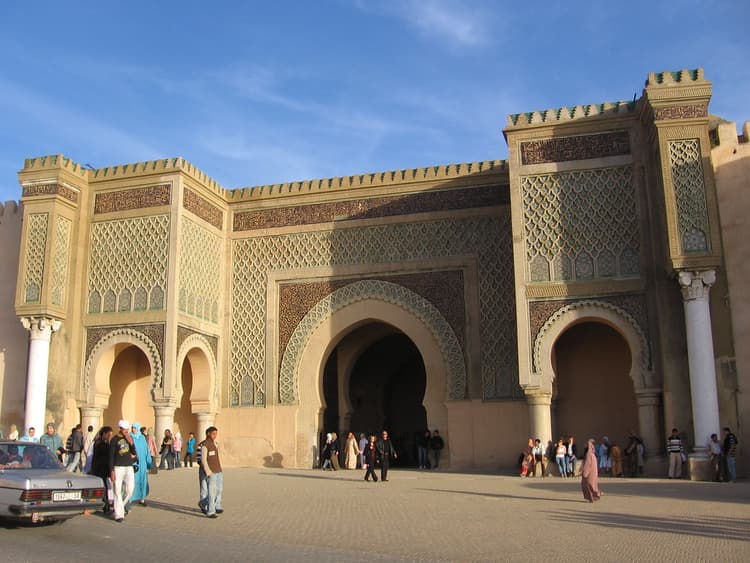
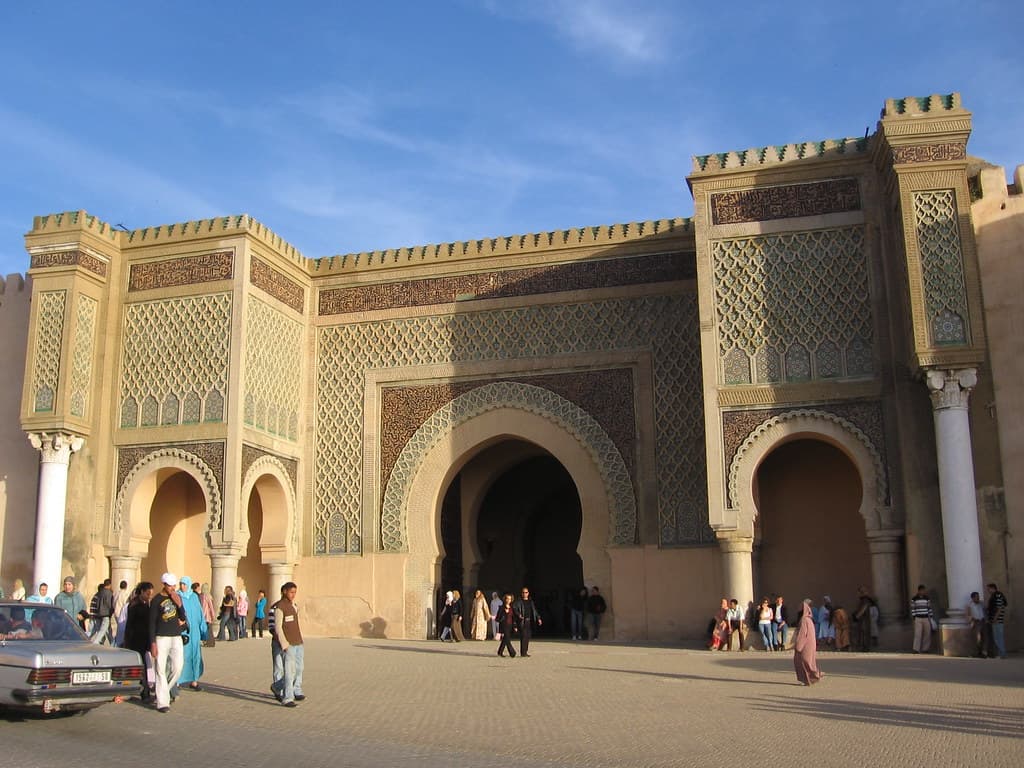
Bab Mansour
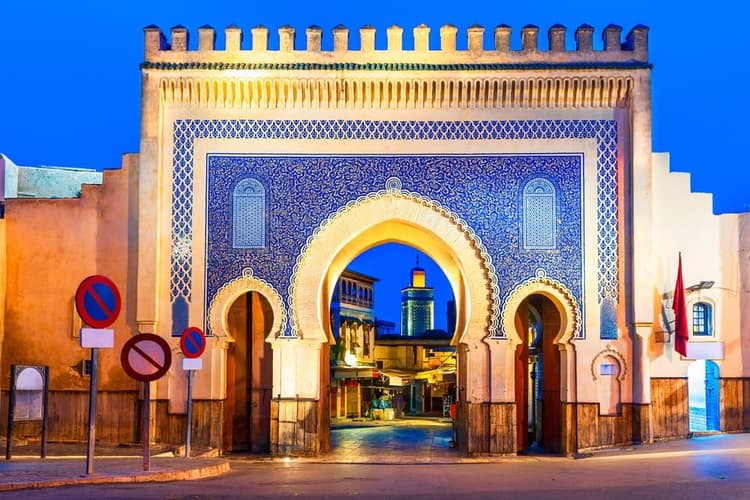
The monumental gate facing Place el-Hedim and the signature sight of Meknes, linked to the imperial building program of Moulay Ismail and later completion under Moulay Abdellah.
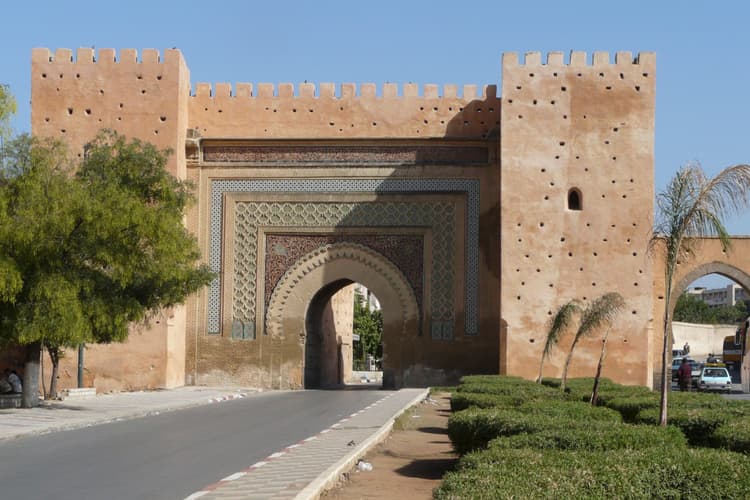
Bab el-Khemis
A richly decorated western gate near the former Mellah, traditionally dated to the reign of Moulay Ismail and associated with the city’s seventeenth-century ramparts.
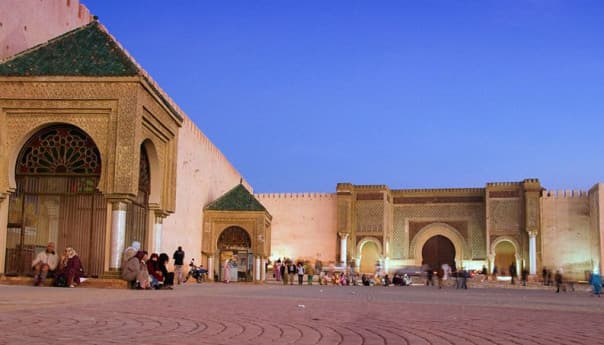
Bab Jdid
The New Gate of Meknes, associated with routes leading toward old market streets and the historic fabric around the medina.
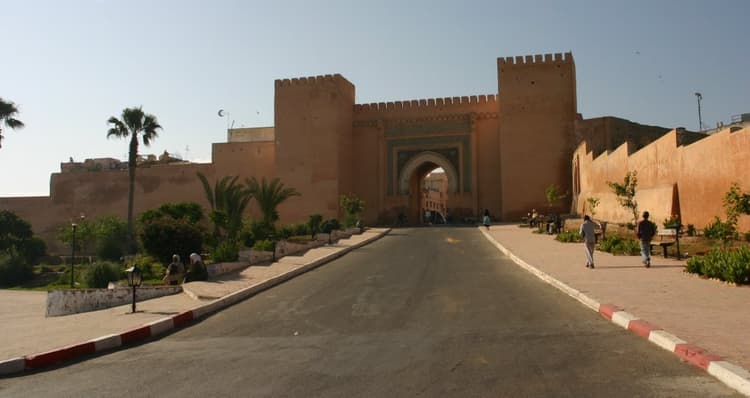
Bab Berdaine
A historic gate associated with the late seventeenth-century reshaping of Meknes during and after the period of Sultan Moulay Ismail.
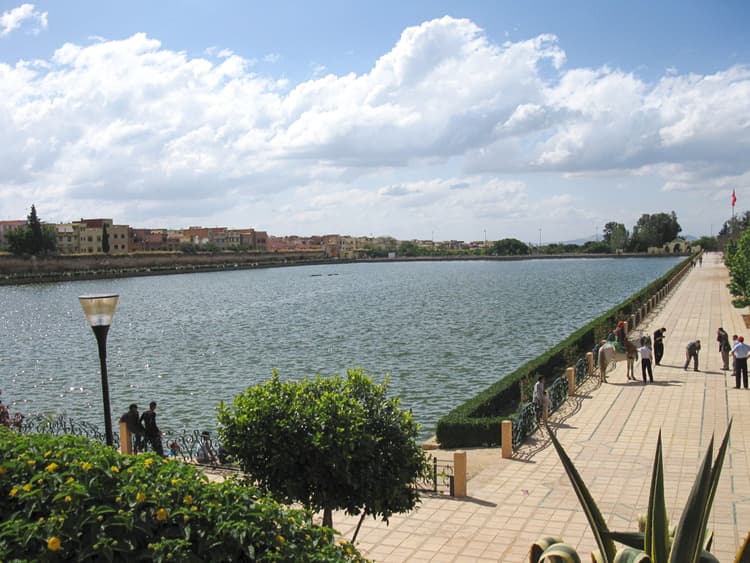
Kasbah of Moulay Ismail
A key imperial-city monument near the heart of Meknes, representing the royal kasbah and the ceremonial architecture of Moulay Ismail’s capital.
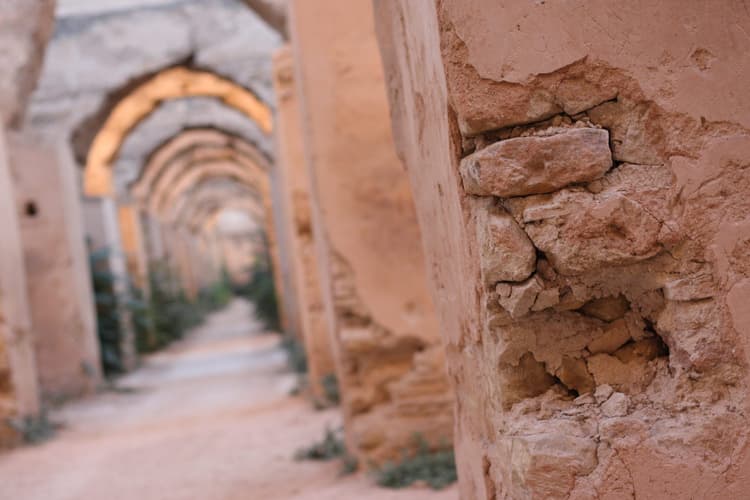
Heri es-Souani
The monumental granaries and royal stables of Meknes, closely associated with the logistics and scale of Moulay Ismail’s imperial city.
What Can You Buy in the Meknes Souks?
The souks of Meknes are centered around the medina and Place el-Hedim, where traditional craftsmanship blends with everyday commerce behind the city's high walls.
Look for damascene metalwork, leather goods, textiles, spices, and ceramics, and treat published prices as approximate — bargaining politely is expected.
The Souk Directory
Place El-Hedime Shops
Central shopping area around the main square, with souvenir shops, craft stalls, cafés, and easy access to the medina lanes.
Souk Serrajine
Traditional leather market near Bab El Khemis, known for bags, belts, and babouche slippers.
Damascene Metalwork Souks
Medina workshops and stalls where Meknes craftsmanship is visible in decorated metal objects, vases, plates, and bracelets.
Medina Textile Lanes
Local textile and clothing stalls selling everyday garments, scarves, fabrics, and practical market goods.
Spice and Food Markets
Food and spice stalls where visitors can find olives, spices, oils, sweets, and everyday ingredients used by Meknes households.
The "Fair Price" Reference Table (2024 Estimates)
| Item | Local Name | Est. Price (MAD) |
|---|---|---|
| Leather Slippers | Babouche | $6 – $15 |
| Small Leather Bag | Sac Cuir | $15 – $40 |
| Moroccan Lantern | Fanos | $15 – $50 |
| Argan Oil | Zite Argan | $5 – $15 |
| Olive Oil - 250 ml | Zite Zitoun | $3 – $6 |
| Carpet or Rug | Zarbia | From $80+ |
Which Tours Visit Meknes?
What Are the Best Things to Do in Meknes?

Frequently Asked Questions
Yes. Meknes is generally considered manageable for visitors, but normal urban precautions still apply. Watch for petty theft in crowded areas, agree taxi fares or use the meter, and be cautious with unsolicited guides around gates, squares, and markets.
Spring, roughly mid-March to May, and autumn, roughly September to November, are the most comfortable periods. Meknes has hot, dry summers and cooler, wetter winters, so these shoulder seasons are best for walking the medina, imperial city, and nearby sites such as Volubilis.
Conservative visitor advice is to drink bottled or filtered water if you have a sensitive stomach. Tap water is commonly used for brushing teeth, but not every traveler tolerates it well, so carrying bottled water is a simple precaution.
The local currency is the Moroccan Dirham (MAD). Carry cash for medina shops, taxis, small cafés, and market purchases, while using ATMs and banks in modern areas such as Hamria or the Ville Nouvelle when available.