Ifrane
Morocco’s Alpine mountain town in the Middle Atlas, where red-roofed chalets, cedar forests, snowy winters, and the Stone Lion create a Swiss-style escape.
What Is Ifrane Known For?
Ifrane is a Middle Atlas hill town established by the French administration in 1928 as a high-altitude summer retreat, nicknamed "Little Switzerland" for its Alpine climate, red-roofed houses, and cedar forests.
It functions as a mountain gateway between Fès, Azrou, Ifrane National Park, and Michlifen, with cool summers and snowy winters.
33.53° N, 5.11° W
Cool mountain
Fès–Saïs Airport (FEZ)
13,964
Moroccan Dirham (MAD)
How Do You Get to Ifrane?
Find the best transport options to reach Ifrane comfortably.
By train and taxi
There is no direct train into Ifrane, so the practical rail route is to travel by train toward Fès or Meknès and continue by taxi, bus, or private transfer. This option is comfortable for travelers who prefer Morocco’s rail network for the longer part of the journey while keeping the final mountain-road section flexible.
By plane and transfer
Flying is not usually the simplest Casablanca-to-Ifrane option unless schedules align with Fès–Saïs Airport. Travelers can fly toward Fès, then continue by road to Ifrane, which is the practical air gateway for the city. Factor in airport time, transfer arrangements, and winter road conditions when comparing this with driving or bus travel.
By bus
Coach travel is the most budget-minded overland option, with booking platforms listing Casablanca–Ifrane bus services. It is slower than driving but useful for travelers who want to avoid car rental. Confirm schedules in advance, as frequencies and operators can change seasonally.
By car
Driving from Casablanca to Ifrane offers the most direct flexibility, especially if you plan to stop in Meknès, Fès, or the Middle Atlas along the way. The route is manageable in a single day, though winter travelers should check mountain weather before departure.
By private taxi
A private taxi or transfer provides door-to-door convenience from Casablanca to your hotel in Ifrane. It is more expensive than public transport but practical for families, groups, or visitors carrying ski gear and luggage. Confirm the fare and vehicle type before departure.
By rideshare
Ridesharing can be a flexible and economical alternative when drivers are heading toward Fès, Meknès, or Ifrane. Availability varies, so it is best for travelers with adaptable timing. Confirm the exact drop-off point, luggage space, and whether the route continues all the way into Ifrane.
What Are Ifrane's Main Districts?
Ifrane is organized into 6 main districts, from City Center and Stone Lion to Dayet Aoua Lake Area, each with its own character and things to do.
What Is the History Behind Ifrane's Hill Station?
Modern Ifrane was established by the French administration around 1928–1929 as a colonial hill station and garden city — a cool summer retreat for administrators and vacationers.
As a modern planned mountain town rather than a medieval walled medina, Ifrane has no historic city gates — its story is told instead through the Stone Lion, Al Akhawayn University, cedar forests, and Michlifen.
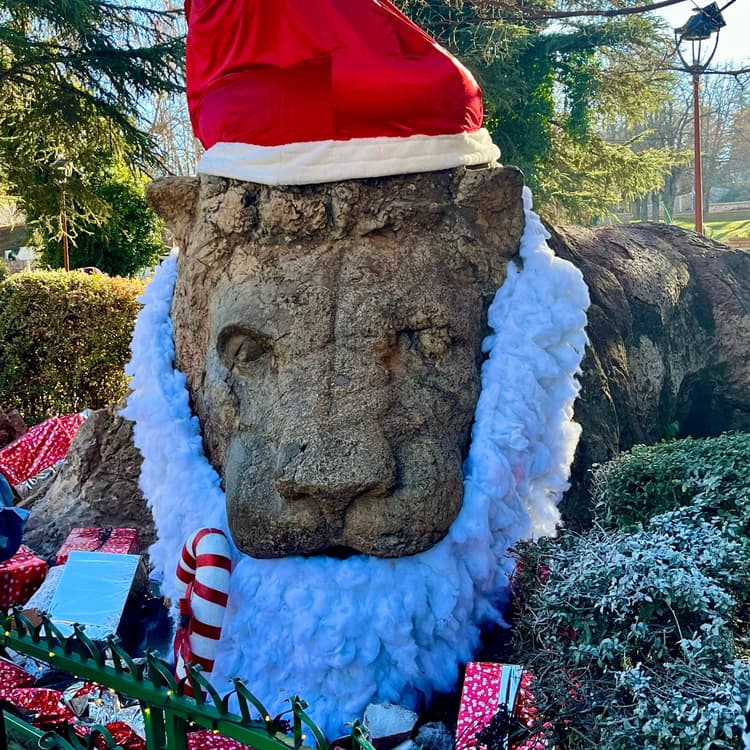
Stone Lion of Ifrane
The carved stone lion is Ifrane’s most famous photographed landmark, located in or near the town center park and often called the Guardian of the Forest.
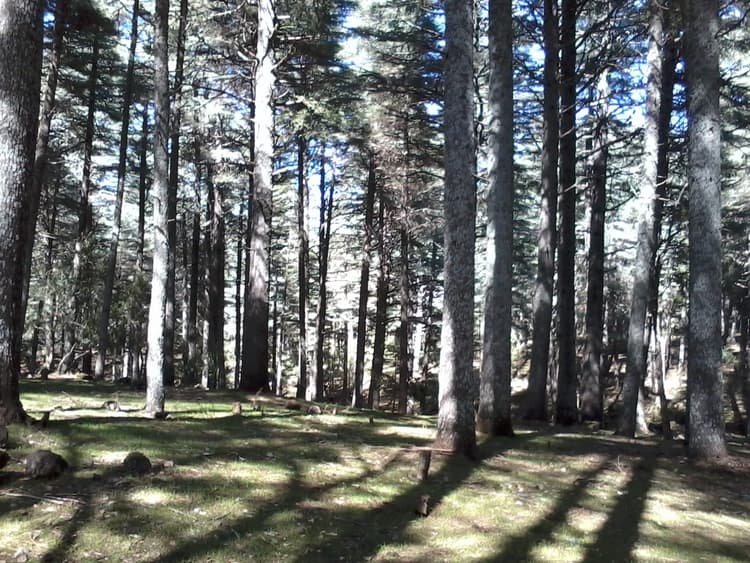
Ifrane National Park
A major Middle Atlas natural attraction protecting cedar and oak forests, scenic trails, wildlife habitat, and areas associated with Barbary macaques.
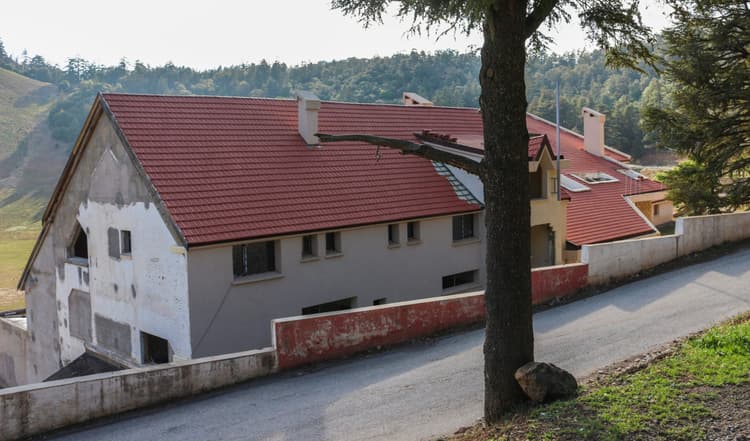
Michlifen Ski Resort
The principal ski and mountain-resort area near Ifrane, associated with winter snow, cedar forests, chalet-style hospitality, and seasonal sports.
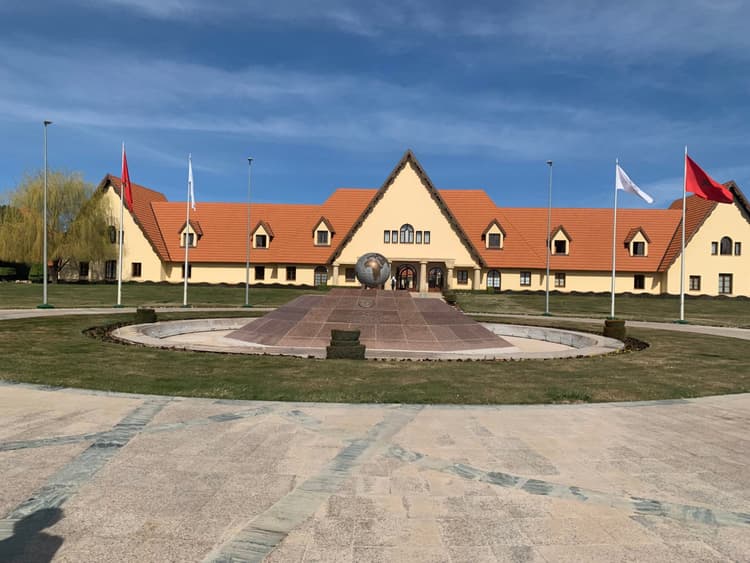
Al Akhawayn University
A major modern landmark in Ifrane, this English-language, American-style university opened in 1995 and helped shape the city’s contemporary identity.
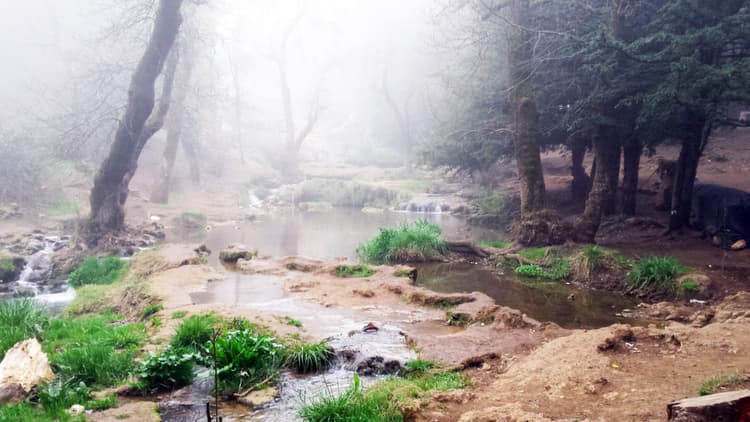
Ain Vitel River and Springs
A river and springs attraction listed by official tourism sources, offering greenery, fresh air, and a simple nature stop near Ifrane.
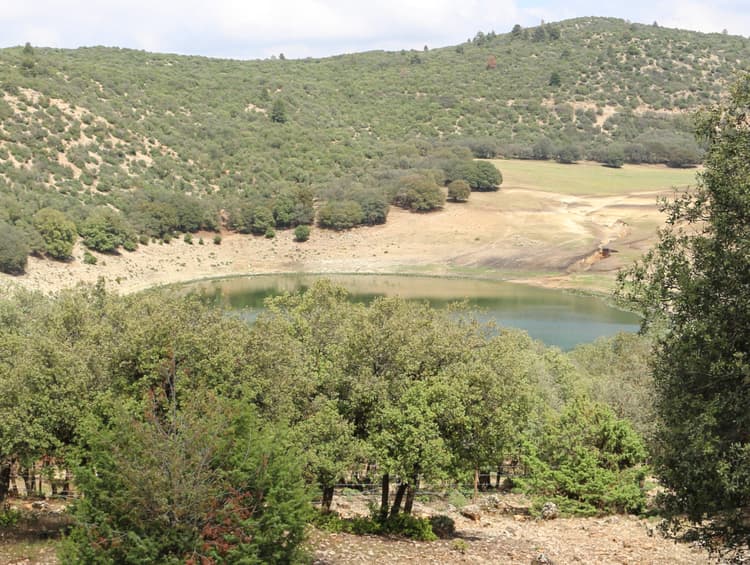
Dayet Aoua Lake
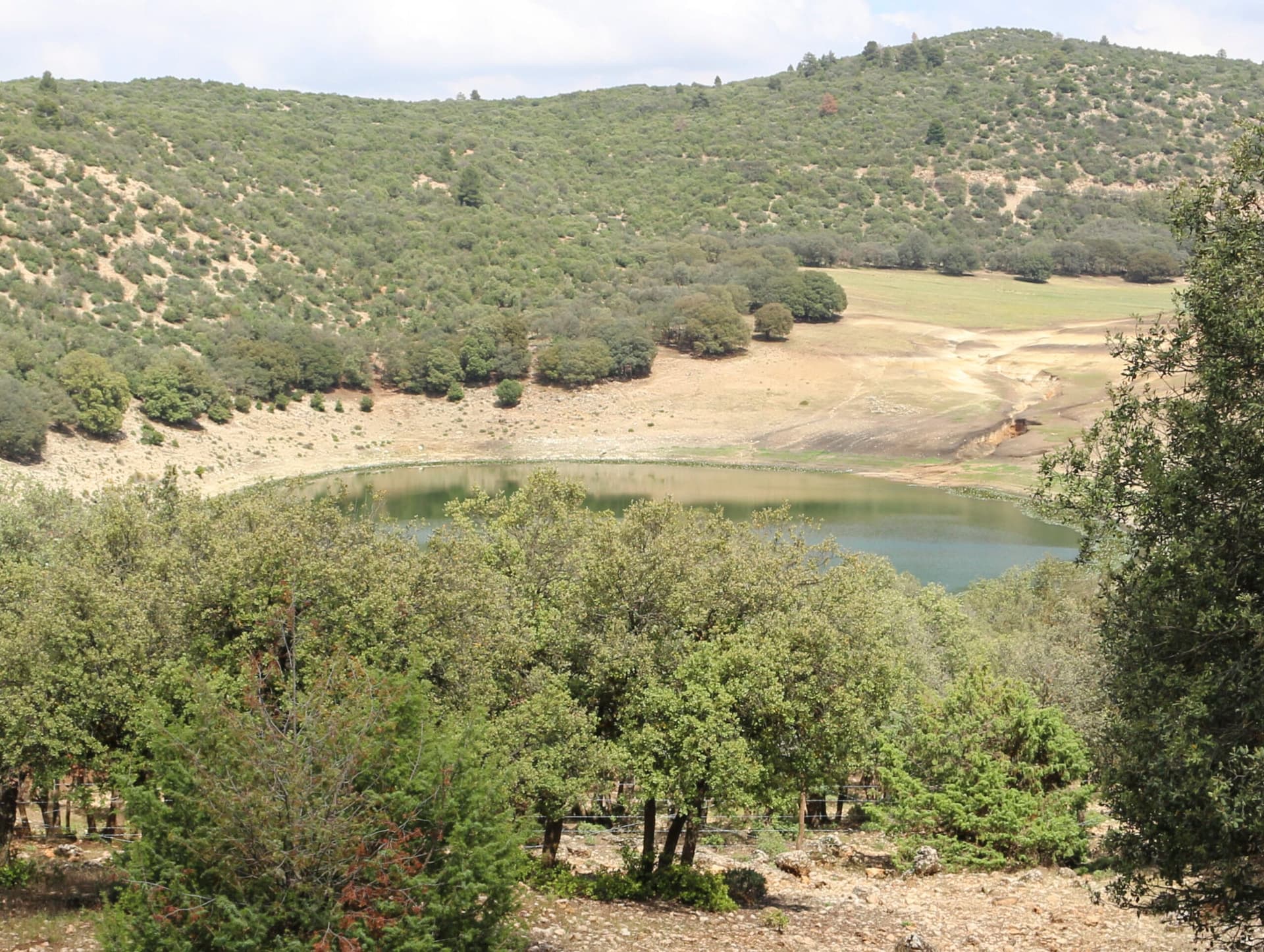
A scenic lake near Ifrane used for walking, birdwatching, picnics, and nature stops during Middle Atlas excursions.
Where Can You Shop in Ifrane?
Ifrane isn't a major souk city like Fes or Marrakech, but it has a municipal market, small shops, cafés, and hotel boutiques.
For a more traditional market scene, nearby Azrou is the better stop.
The Souk Directory
Municipal Market
The practical town market for everyday produce, simple food shopping, and local errands within Ifrane.
City Center Cafés and Shops
The most accessible visitor area for cafés, restaurants, snacks, and small purchases near the Stone Lion and central parks.
Azrou Tuesday Souk
A nearby traditional market option often recommended for travelers seeking a more authentic Middle Atlas souk experience.
Hotel Boutiques and Resort Dining
Small curated retail spaces and premium dining settings associated with Ifrane’s resort hotels, including the Michlifen area.
Middle Atlas Produce Stalls
Seasonal roadside and local-market stops around the Middle Atlas for produce and simple regional goods, with prices best confirmed locally.
The "Fair Price" Reference Table (2024 Estimates)
| Item | Local Name | Est. Price (MAD) |
|---|---|---|
| Small Spice Mix | Ras el Hanout | 10 – 50 |
| Argan Oil | Zite Argan | 60 – 150 |
| Leather Slippers | Babouche | 80 – 200 |
| Small Ceramics | Fakhar | 30 – 150 |
| Leather Wallet | Porte-monnaie Cuir | 50 – 200 |
| Carpet or Area Rug | Zarbia | 400 – 4000 |
Which Tours Visit Ifrane?
What Are the Best Things to Do in Ifrane?
Frequently Asked Questions
Yes. Ifrane is presented by official tourism and mainstream travel sources as a normal tourist destination. Use standard Morocco precautions: watch belongings in busy places, use licensed transport, and check weather and road conditions during winter snow periods.
For mild walking weather, spring and autumn are generally the most comfortable seasons. For snow, winter is the key period, especially December to February, though conditions around Ifrane and Michlifen can vary by year.
Yes. Ifrane is well known for snowy winters, and official tourism describes it as a place of sun in summer and snow in winter. Snow is seasonal and variable, so check forecasts before planning skiing or winter driving.
The town center is compact and walkable, but a car, taxi, or guided tour is useful for Michlifen, Dayet Aoua Lake, cedar forests, Ifrane National Park, and transfers from Fès–Saïs Airport.