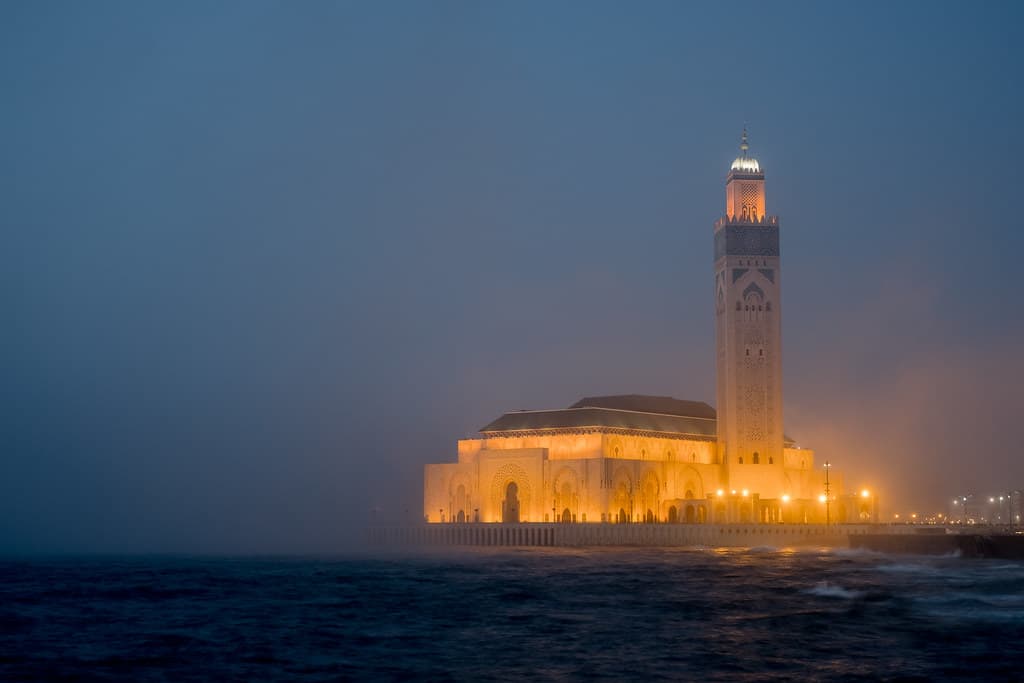
Casablanca
Morocco's Atlantic business capital and its largest city, built from the historic port of Anfa.
What Is Casablanca Known For?
Casablanca is Morocco's largest city and its leading economic and business centre, developed from the historic port settlement of Anfa on the Atlantic coast. It's the country's primary commercial hub, connecting travelers to Mohammed V International Airport and the national rail network.
Located on the Chaouia plain in central-western Morocco, it links Morocco's imperial inland routes with Atlantic trade networks, and to Rabat, Marrakech, Tangier, and Fes.
33.5883° N, 7.6114° W
Mild Mediterranean/Atlantic
Mohammed V International Airport
3,218,036
Moroccan Dirham (MAD)
How Do You Get to Casablanca?
Find the best transport options to reach Casablanca comfortably.
By train
Take the ONCF airport train from Mohammed V International Airport toward Casa Voyageurs or Casa Port for the most practical public connection into the city. The airport sits about 30 km / 19 mi south of central Casablanca, and the rail link avoids road traffic while connecting directly with the national train network.
By bus
There are no regular public buses available directly at Casablanca Airport according to airport information sources. Travelers seeking a low-cost public option should generally use the train instead, or arrange onward transport from a city station after arrival.
By car
A rental car or private shuttle gives direct access to your hotel, business district, or coastal accommodation without transferring through a station. This is useful for travelers carrying luggage or arriving late, though traffic conditions can affect the final approach into central Casablanca.
By private taxi
Airport taxis are the simplest door-to-door option for reaching Casablanca from CMN. Published estimates commonly place the fare around 250–350 MAD, with airport information citing approximately 280 MAD, so confirm the price before departure.
What Are Casablanca's Main Districts?
Casablanca is organized into 6 main districts, from The Old Medina (Ancienne Medina) to Ain Diab and La Corniche (Seafront District), each with its own character and things to do.
What Is the History Behind Casablanca's Old Medina Ramparts?
Casablanca's history is tied to the port settlement of Anfa, shaped over time by Berber, Roman, Arab, Portuguese, Spanish, French, British, and Moroccan influence.
During the French Protectorate from 1912, port expansion and modernist planning transformed it into Morocco's leading economic centre. In the Old Medina, ramparts 6 to 8 metres high around a 4km perimeter — including the historic Bab Marrakech gate — preserve traces of the fortified city.
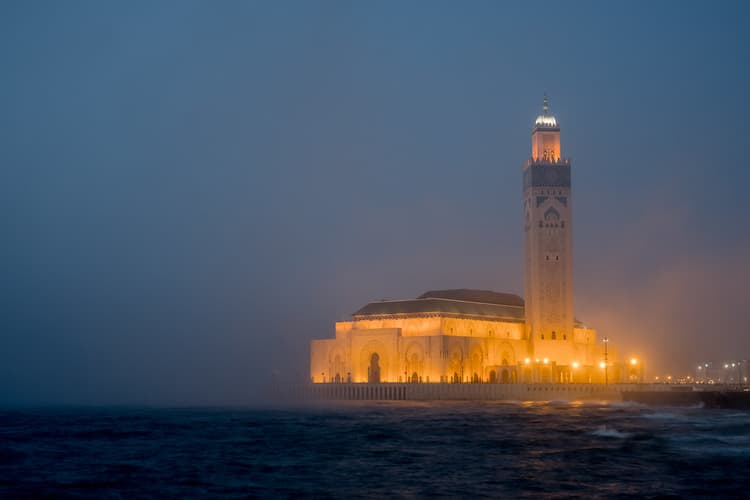
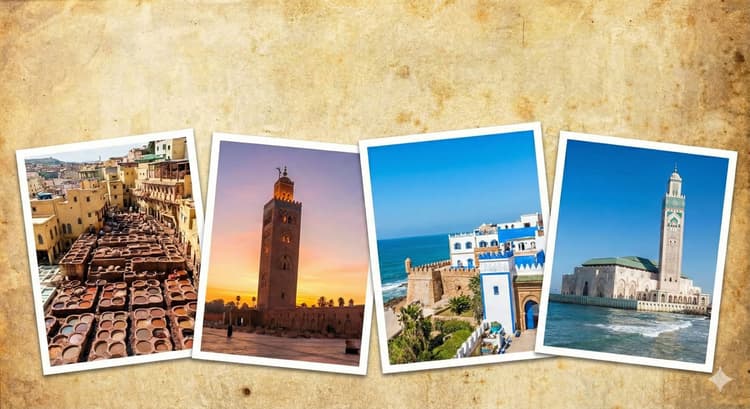
Hassan II Mosque
Casablanca’s signature oceanfront monument and the city’s most important landmark, visited by non-Muslims through guided tours outside prayer times.
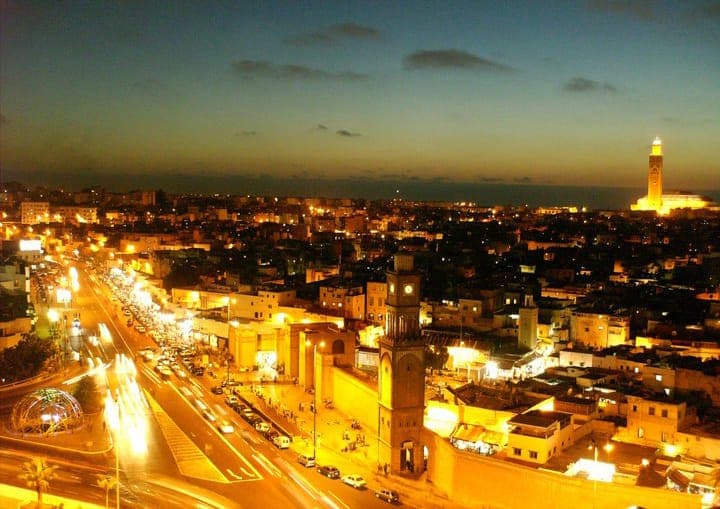
Bab Marrakech
The best-known historic gate of Casablanca’s Old Medina, opening into crowded souk lanes near the port and traditional market streets.
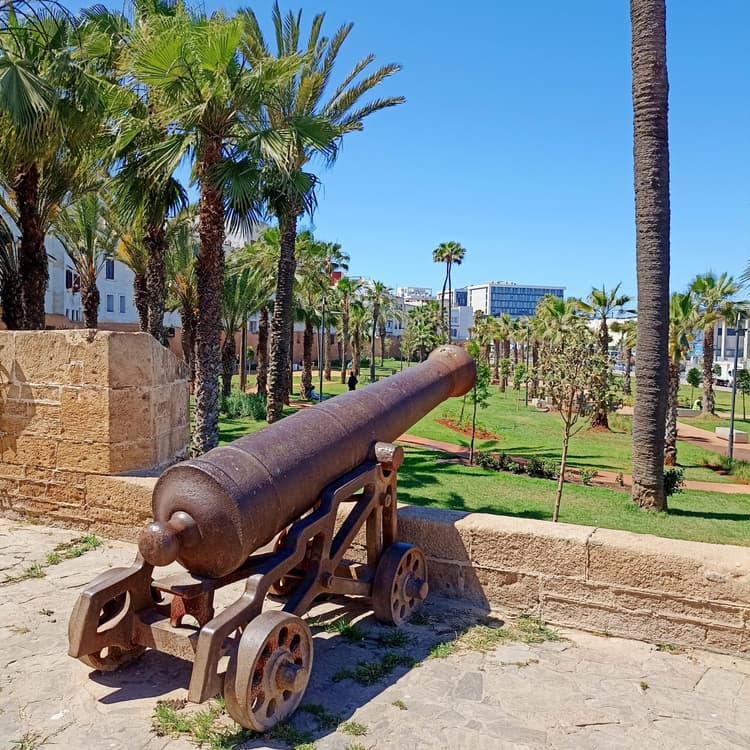
Sqala
A restored fortified bastion between the Old Medina and the port, recalling Casablanca’s coastal defenses and maritime history.
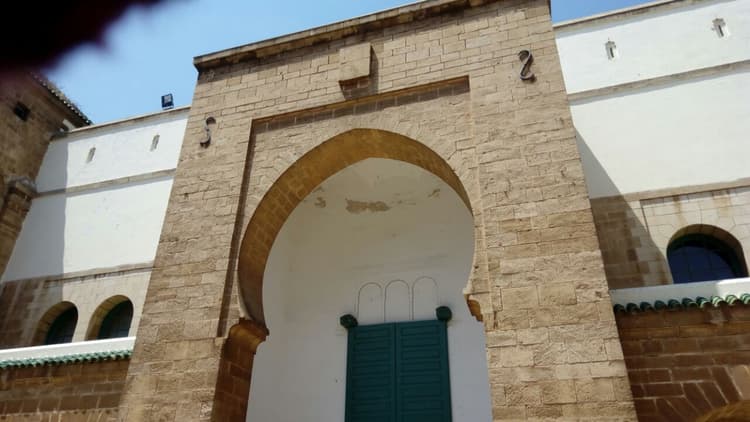
Mahkama du Pacha
A Moorish-style courthouse and administrative building in Habous, admired for arches, carved cedar ceilings, stonework, and intricate decoration.
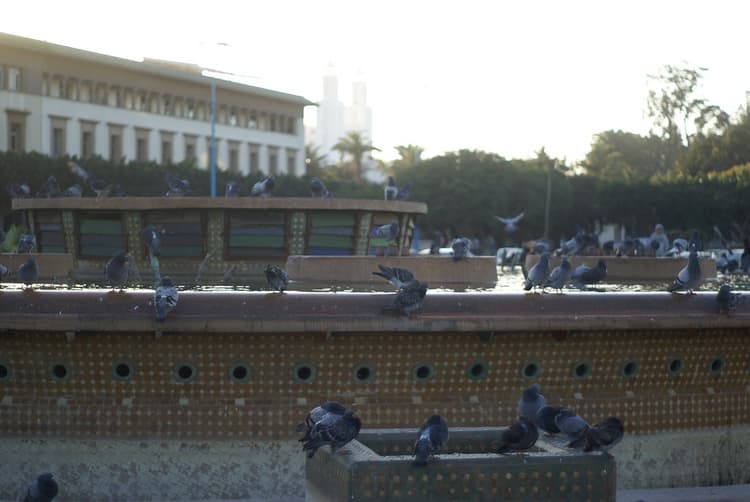
Mohammed V Square
A central civic square framed by colonial-era administrative architecture, reflecting Casablanca’s French Protectorate urban planning.
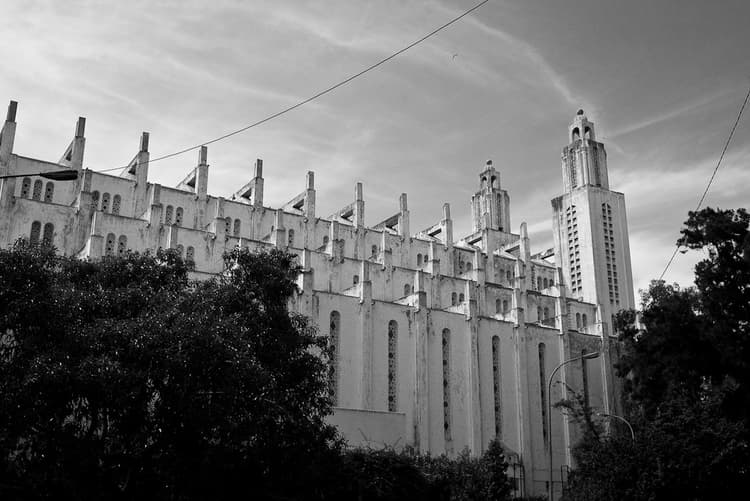
Sacred Heart Cathedral
A former cathedral and central landmark often cited among Casablanca’s major attractions, reflecting the city’s diverse twentieth-century heritage.
Where Can You Shop in Casablanca?
Casablanca shopping splits between traditional souks, food markets, second-hand markets, wholesale streets, and modern malls — haggling is expected in the Old Medina, Habous, and Derb Ghallef.
Morocco Mall and AnfaPlace Mall, by contrast, generally operate with fixed prices.
The Souk Directory
Central Market
A famous urban market and gastronomy stop, known for fresh produce, seafood, casual food counters, and central-city atmosphere.
Habous Souk
Traditional shops in the New Medina selling pastries, leather goods, books, crafts, spices, and Moroccan everyday products.
Old Medina Souks
Compact historic market lanes near Bab Marrakech, with leather, textiles, household goods, and a local residential atmosphere.
Derb Ghallef
One of Morocco’s biggest permanent second-hand markets, especially known for cheap electrical items and bargain hunting.
Morocco Mall and AnfaPlace Mall
Modern beachfront and city shopping options, with international and Moroccan labels, dining, and fixed-price retail.
The "Fair Price" Reference Table (2024 Estimates)
| Item | Local Name | Est. Price (MAD) |
|---|---|---|
| Leather Slippers | Babouche | $8–$15 |
| Small Rug | Zarbia | $20–$60 |
| Saffron | Zaafran | $3–$5+ / Gram |
| Spice Mix | Ras el Hanout | 2$ / 100 Gram |
| Argan Oil | Zite Argan | $30-$45+ / L |
| Mall Shopping | Boutiques | Fixed prices |
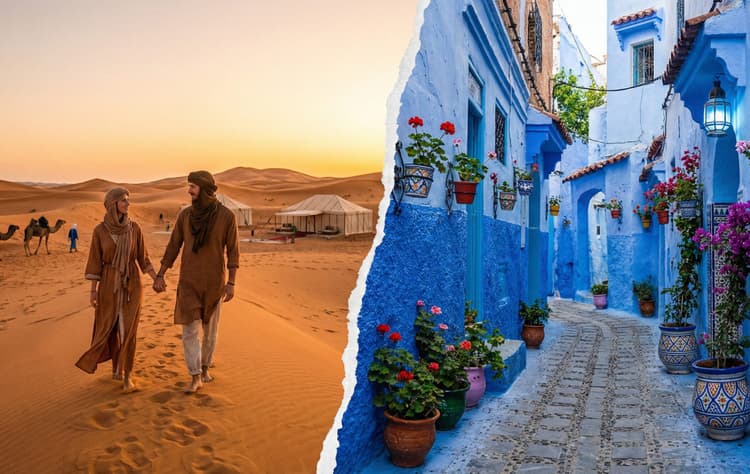
Desert Tours & Day Trips Starting from Casablanca
Which Tours Visit Casablanca?
What Are the Best Things to Do in Casablanca?
Frequently Asked Questions
Yes, Casablanca is generally treated as a normal large city destination. Use standard big-city caution in crowded markets, transport hubs, and the Old Medina, and be alert to unsolicited guides, overcharging, transport scams, and fake tour operators.
Casablanca has a mild Atlantic climate, with summers that are generally dry and winters that are cooler and wetter. Spring and autumn are usually comfortable for walking, while summer offers warm, sunny weather along the coast.
City tap water is treated, but visitors unaccustomed to the local mineral content or bacteria may experience digestive discomfort. Bottled or filtered water is the safer choice for sensitive travelers.
The local currency is the Moroccan Dirham (MAD). Use banks, ATMs, or official exchange offices for cash, and avoid illegal street exchangers.