Rissani
Historic Tafilalet oasis town, cradle of Morocco’s Alaouite dynasty and last great souk before the Sahara.
What Is Rissani Known For?
Rissani is a historic oasis town near Erfoud, associated with the former medieval city of Sijilmasa and the cradle of Morocco's Alaouite dynasty — a major gateway to trans-Saharan trade.
Near the Ziz valley and the desert routes toward Merzouga and Erg Chebbi, Rissani functions as an authentic market hub — the last great souk before the dunes.
31.2848° N, 4.2689° W
Desert (BWh)
Errachidia Airport (Moulay Ali Cherif Airport)
20,469 (2004)
Moroccan Dirham (MAD)
How Do You Get to Rissani?
Find the best transport options to reach Rissani comfortably.
By train and bus
Rail and road combinations link Casablanca with Rissani through inland transport hubs. Rome2Rio lists train plus bus or taxi combinations, so this option is best for travelers who prefer scheduled public transport and do not mind transfers before reaching the Tafilalet.
By plane and taxi
The quickest listed routing uses a flight toward Errachidia Airport, also known as Moulay Ali Cherif Airport, followed by a road transfer to Rissani. Errachidia is the nearest airport, with the final road distance reported differently by sources at roughly 74.5–93 km.
By bus
Long-distance bus travel is one of the lower-cost ways to reach Rissani from Casablanca, though schedules and transfers should be checked directly before departure. Rome2Rio identifies the cheapest route from Casablanca to Rissani from about $46.
By car
Driving gives the most flexibility for travelers continuing toward Erfoud, Merzouga, or Erg Chebbi. The journey is long and should be planned with rest stops, fuel, and daylight driving in mind.
By private taxi
A private taxi or transfer can connect Casablanca with Rissani directly or through Errachidia, offering door-to-door convenience. Confirm the full fare, vehicle type, luggage space, and whether the price is per vehicle before departure.
By rideshare
Rideshare availability on this long route can be limited and should not be assumed. If a seat is available, confirm the destination, luggage allowance, air conditioning, and whether the driver is continuing all the way to Rissani or only to a nearby hub.
What Are Rissani's Main Districts?
Rissani is organized into 6 main districts, from Central Rissani and the Souk to Ksar Abbar, each with its own character and things to do.
What Is the History Behind Rissani's Sijilmasa Heritage?
Rissani's historical importance comes from its relationship to Sijilmasa, founded in the 8th century as a major trading city at the northern edge of the Sahara.
Caravans connected gold, salt, ivory, cloth, and manufactured goods across vast distances, and Rissani remained associated with the Tafilalet oasis, the cradle of the Alaouite dynasty.
Moulay Ali Cherif Mausoleum
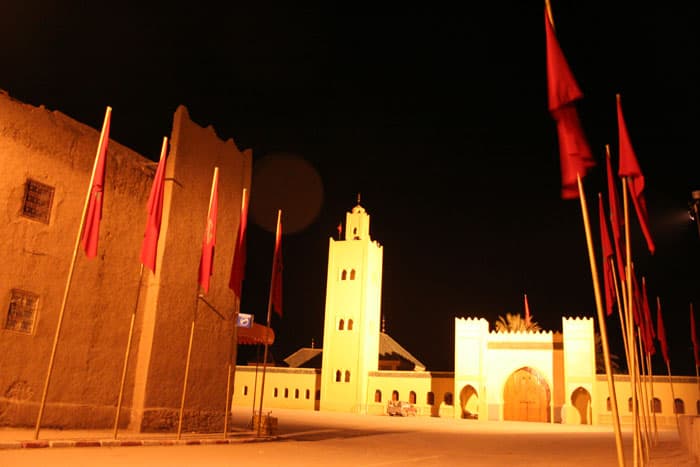
The principal dynastic monument of Rissani, associated with Moulay Ali Cherif and the Alaouite dynasty, with exterior areas and courtyards generally more accessible than sacred interiors.
Sijilmasa Ruins
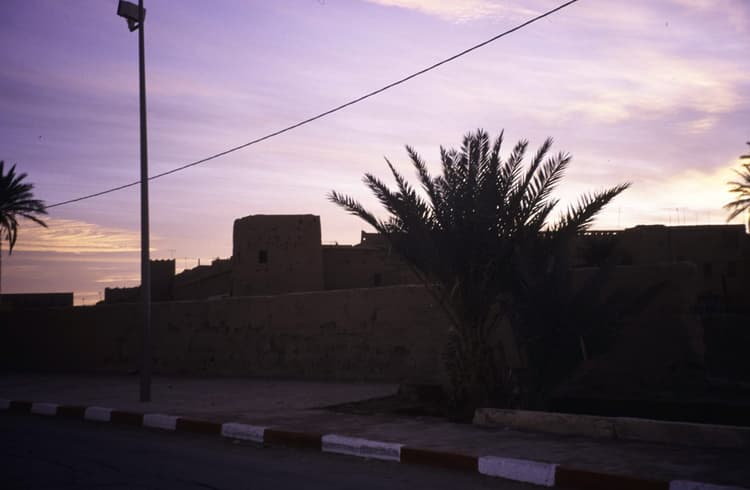
The ruins of the medieval trading city that made the Tafilalet one of the great northern gateways of the trans-Saharan caravan routes.
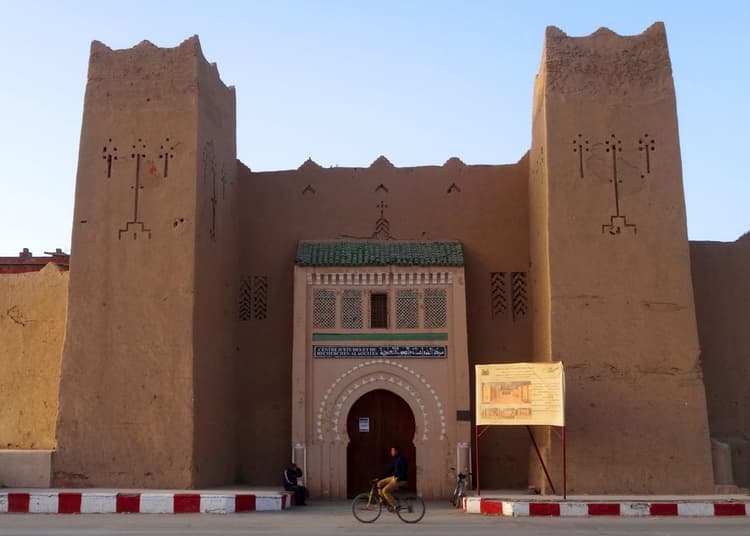
Ksar El Fida
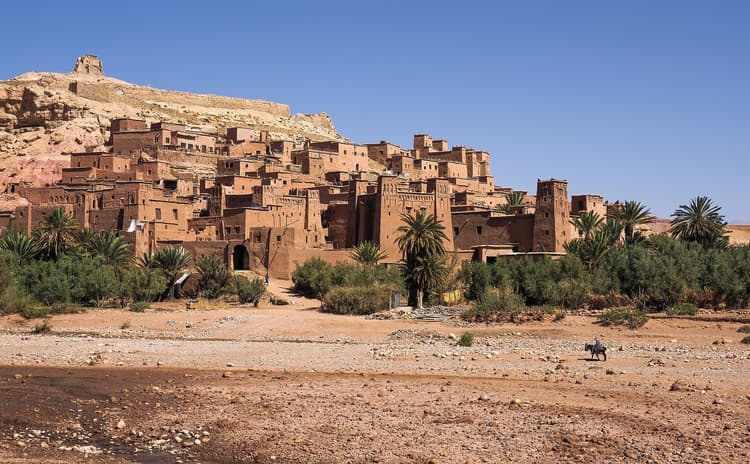
A restored palace and museum site among the better-preserved ksour near Rissani, illustrating the fortified architecture of the Tafilalet.
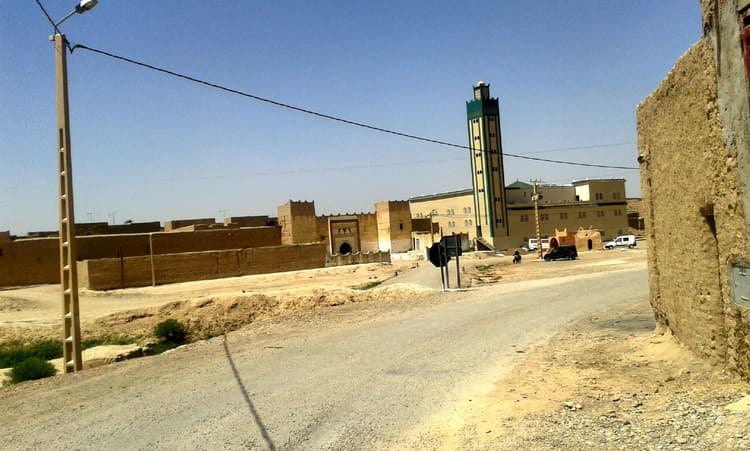
Ksar Oulad Abdelhalim
A traditional lived-in ksar southeast of town, valued for its vernacular architecture and its connection to the oasis settlement pattern.
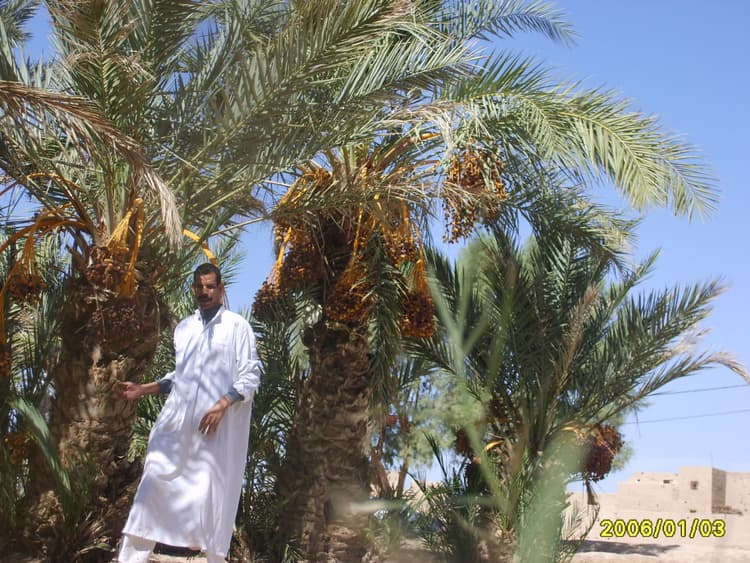
Ksar Abbar
A surrounding fortified settlement associated with Rissani’s identity as a town of ksour and oasis communities.
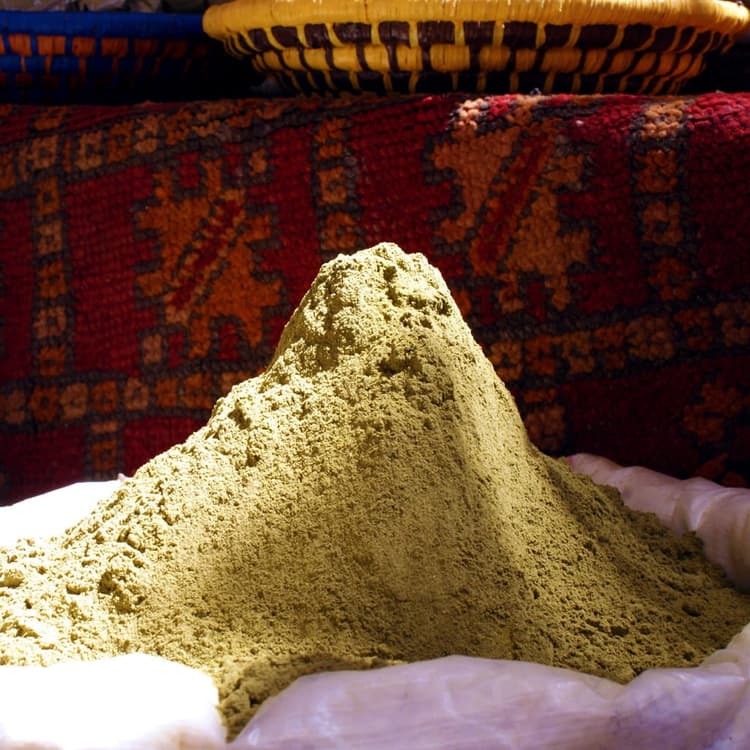
Rissani Market
The authentic market attraction of Rissani, active on Tuesday, Thursday, and Sunday and known for dates, spices, animals, produce, and Saharan goods.
What Is Rissani's Souk Like?
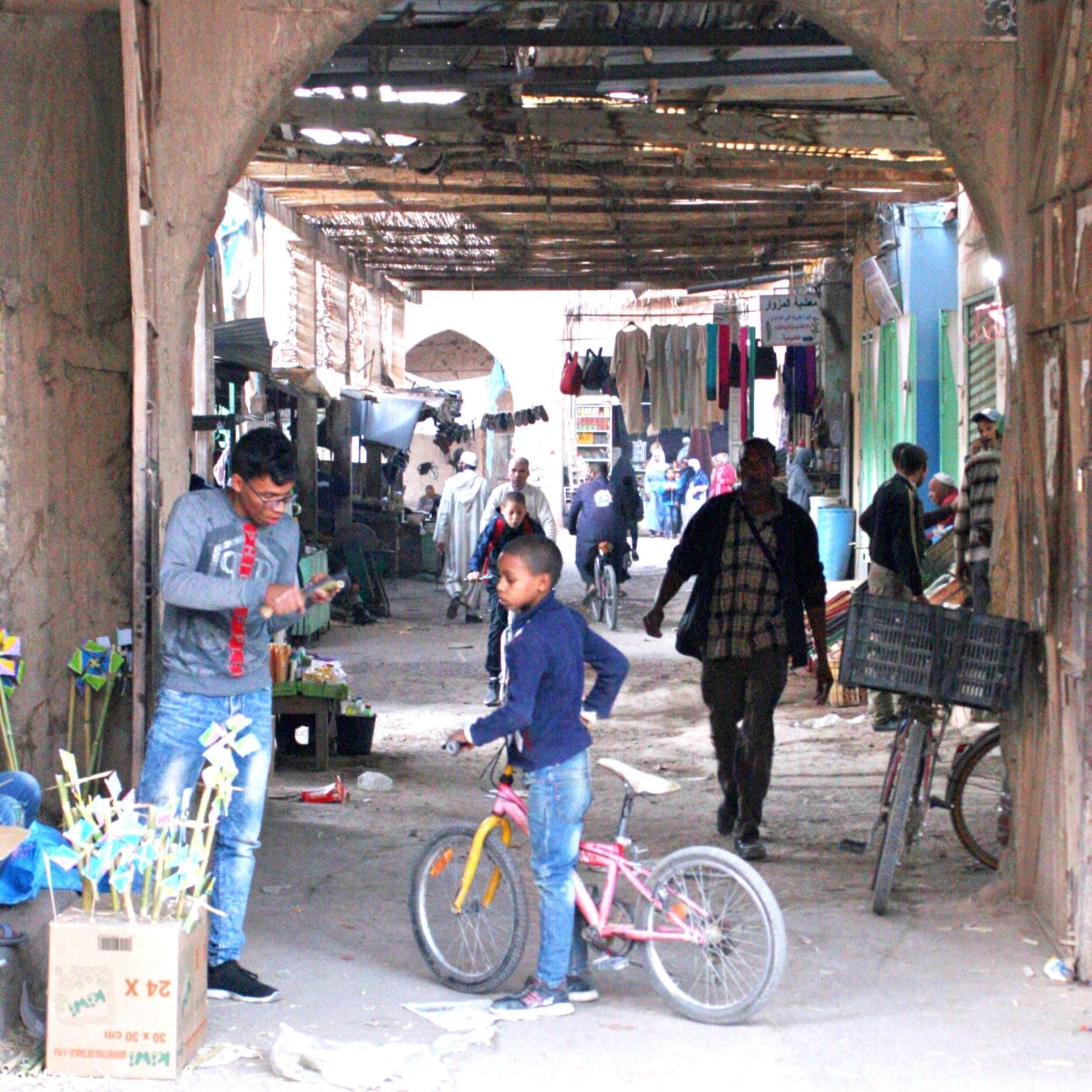
Rissani Market is one of the most authentic traditional souks in southeastern Morocco, active on Tuesday, Thursday, and Sunday, with Sunday often the busiest.
Early morning is best for animal trading and the famous donkey parking area.
The Souk Directory
Produce and Dates Stalls
Dates, nuts, spices, fruit, vegetables, olives, chickens, and everyday produce from the Tafilalet oasis.
Animal Market and Donkey Parking
The early-morning section for animals, carts, donkeys, and practical rural trading around the market.
Household Goods Lanes
A practical zone for household goods, Saharan necessities, tools, and daily items used by surrounding communities.
Handicrafts and Textiles
Local craft stalls selling wool rugs, brassware, leather items, slippers, scarves, and small souvenirs.
Food Stalls and Madfouna Bakers
Simple food stands and bakeries where travelers can look for madfouna, the stuffed bread often called Rissani desert pizza.
The "Fair Price" Reference Table (2024 Estimates)
| Item | Local Name | Est. Price (MAD) |
|---|---|---|
| Tafilalet Dates | Tmar | Under $3 / kg |
| Moroccan Spices | Attar | $3 - $6 / kg |
| Henna | Henna | From $1 |
| Leather Slippers | Babouche | $7 - $25 |
| Clay Tagine | Tajine | $2 - $5 |
| Scarf | Cheche | $2 - $7 |
Which Tours Visit Rissani?
What Are the Best Things to Do in Rissani?
Frequently Asked Questions
The most comfortable period is generally October through April, when desert-edge temperatures are easier for walking the souk, visiting ksour, and continuing toward Merzouga or Erg Chebbi. Spring and autumn are also commonly recommended for Morocco travel.
Rissani Market is active on Tuesday, Thursday, and Sunday, with Sunday often described as the busiest day. Animal trading and donkey activity are best seen early in the morning before the main heat and crowds build.
Rissani is described as a real local market town rather than a polished tourist resort. Use normal Morocco precautions, keep valuables secure in crowded souk lanes, bargain respectfully, and dress modestly around religious sites and traditional neighborhoods.
Traveler-health advice for Morocco is mixed, but visitors are generally advised to use bottled, boiled, or treated water, especially in rural and desert areas. Carry small cash in Moroccan dirhams for souks, taxis, food, and local guides.