Rabat
Morocco’s calm Atlantic capital, where imperial history, UNESCO heritage, blue-and-white kasbah lanes, and the Bou Regreg meet.
What Is Rabat Known For?
Rabat is Morocco's capital and one of its four imperial cities, on the Atlantic coast at the mouth of the Bou Regreg opposite Salé. Its UNESCO-listed old city blends a historic medina, Almohad ramparts, and French Protectorate-era planning.
It functions as Morocco's calm Atlantic capital, connecting travelers to the Kasbah des Oudayas, the Hassan Tower complex, and the Bou Regreg waterfront.
34.02° N, 6.84° W
Atlantic/Mediterranean-influenced
Rabat–Salé Airport
515,619
Moroccan Dirham (MAD)
How Do You Get to Rabat?
Find the best transport options to reach Rabat comfortably.
By train
The train is the most practical and comfortable way to travel between Casablanca and Rabat. Services link the two major cities frequently, making this the easiest option for travelers moving between central stations or connecting from Morocco’s largest urban hub. Exact fares should be checked directly with ONCF, as current prices vary by service and class.
By bus
Intercity buses connect Casablanca and Rabat, though they are generally less convenient than the train for city-centre travel. This option can suit budget travelers or those departing from areas closer to a coach terminal. Schedules and prices should be confirmed with the operator before travel.
By car
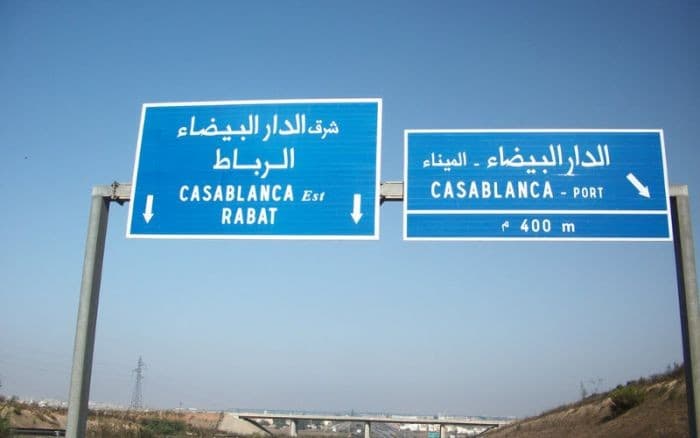
Driving from Casablanca to Rabat is straightforward on the main highway corridor between the two cities. The distance is roughly 90 kilometers, and journey time depends heavily on traffic around Casablanca and the approach into Rabat. Keep local currency available for tolls and allow extra time during peak commuting periods.
By private taxi
A private taxi or transfer is the most direct door-to-door option, especially from Casablanca Airport to Rabat. One travel guide gives a fare around 700 MAD, approximately $75, from the airport to the capital. Confirm the total fare before departure and clarify whether tolls are included.
By rideshare
Rideshare and carpool options may be available between the two cities because the route is busy and frequently traveled. This can be cheaper than a private taxi while remaining faster than some bus services. Confirm luggage space, pickup point, and final drop-off before booking.
What Are Rabat's Main Districts?
Rabat is organized into 6 main districts, from The Medina (Historic Core) to Souissi (Leafy Residential Quarter), each with its own character and things to do.
What Is the History Behind Rabat's Almohad Walls and Gates?
Rabat's medieval history is tied to Almohad fortifications — in the 1190s, Ya'qub al-Mansur intended it as a major Almohad capital and enclosed it within a rampart of tamped earth and lime stretching roughly five kilometers.
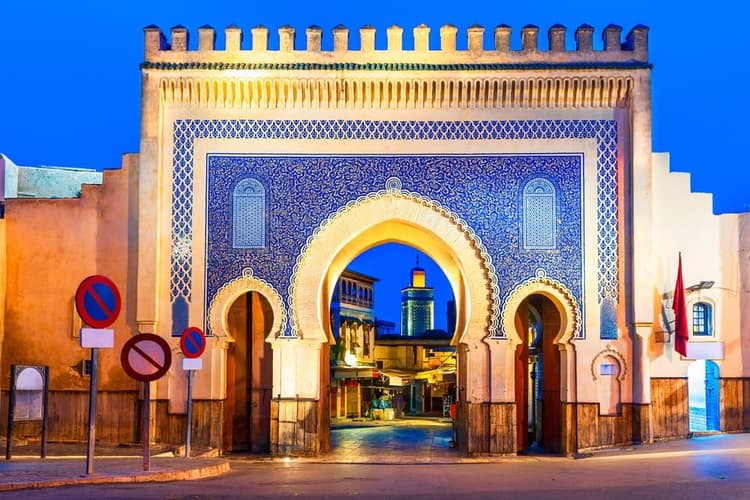
Monumental gates including Bab Rouah, Bab El Had, Bab Zaer, and Bab Oudaia still shape the historic city, and the 1.4km Andalusian Wall separates the Medina from the former Kasbah of the Oudayas.
Bab Rouah
A monumental Almohad-era gate in Rabat’s ramparts, also known as the Gate of the Winds, notable for its scale, carved decoration and later gallery use.
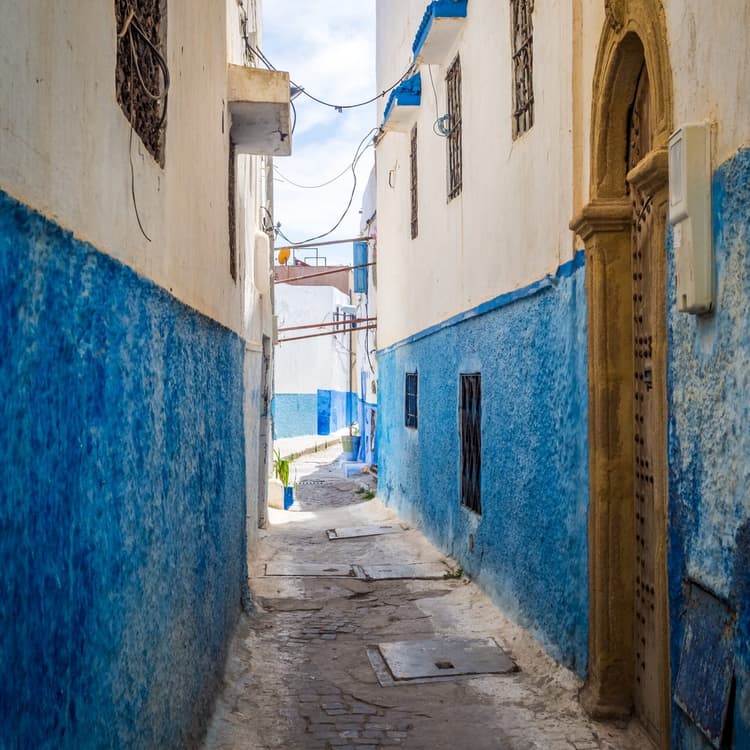
Bab El Had
A historic Almohad medina gate and active old-city entrance, close to markets and a natural starting point for Medina walks.
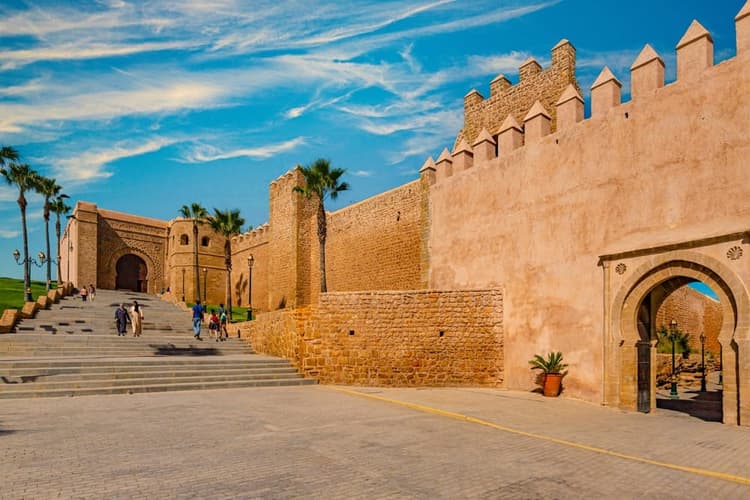
Bab Oudaia
The monumental late-12th-century ceremonial gate of the Kasbah des Oudayas, also called Bab al-Kbir, built under Ya‘qub al-Mansur and known for refined Almohad stonework.
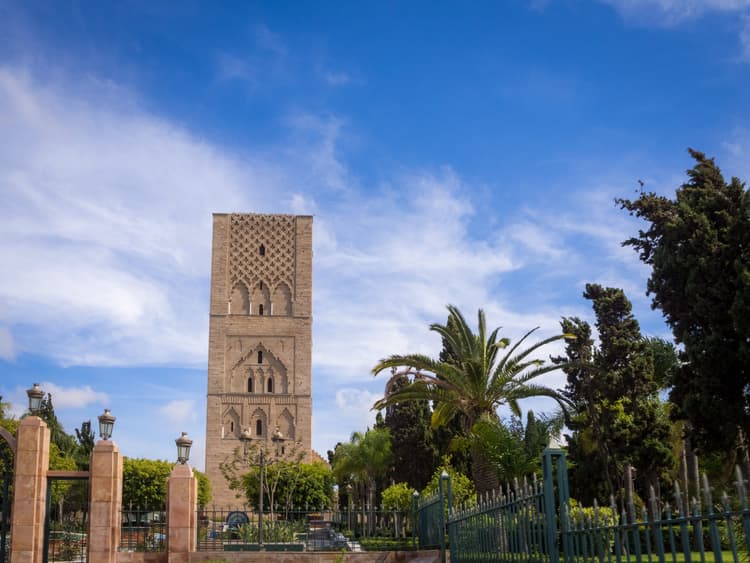
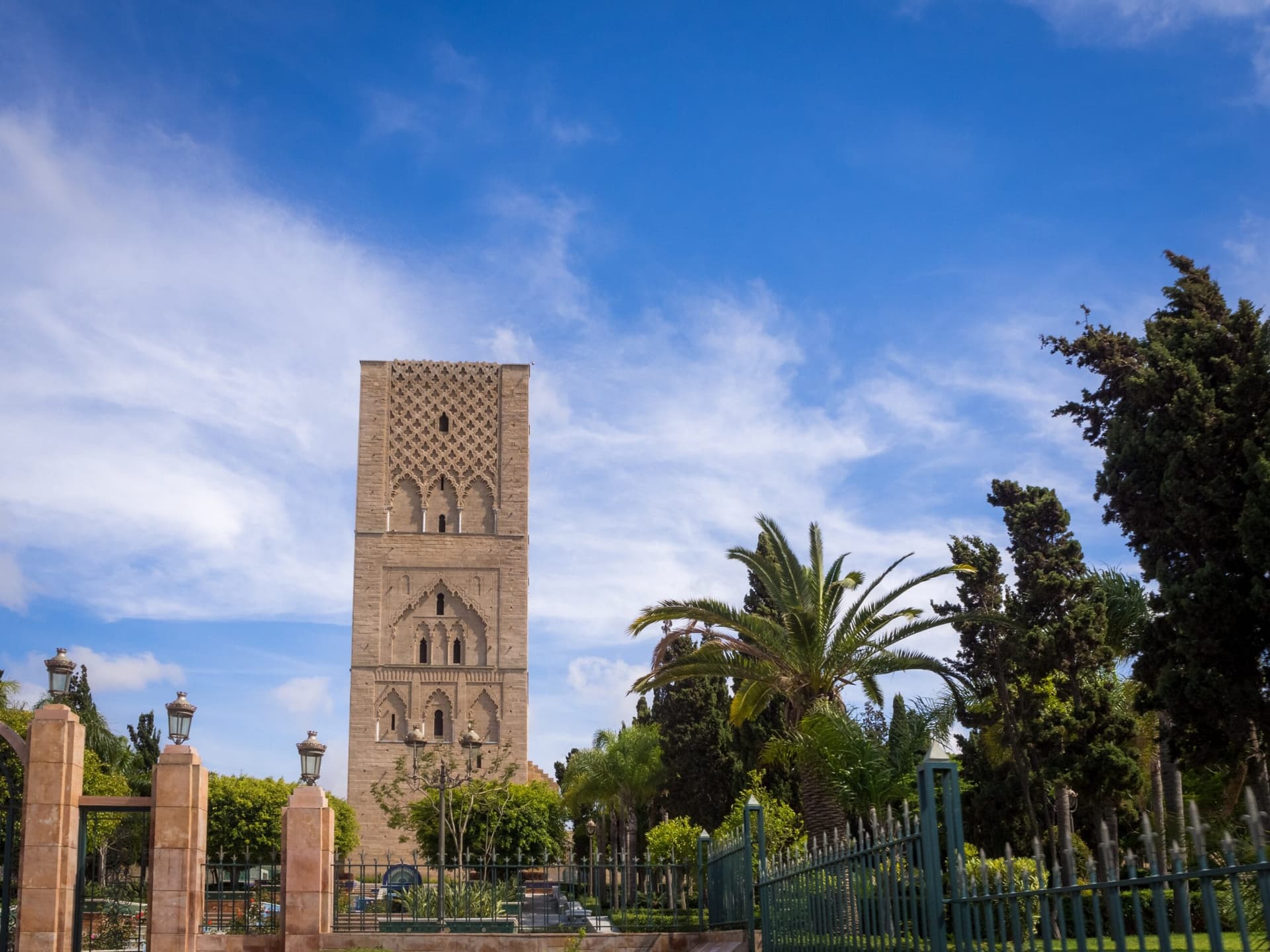
Hassan Tower
An unfinished Almohad minaret standing at about 44 meters, surrounded by remains of mosque walls and columns in Rabat’s most important monumental complex.
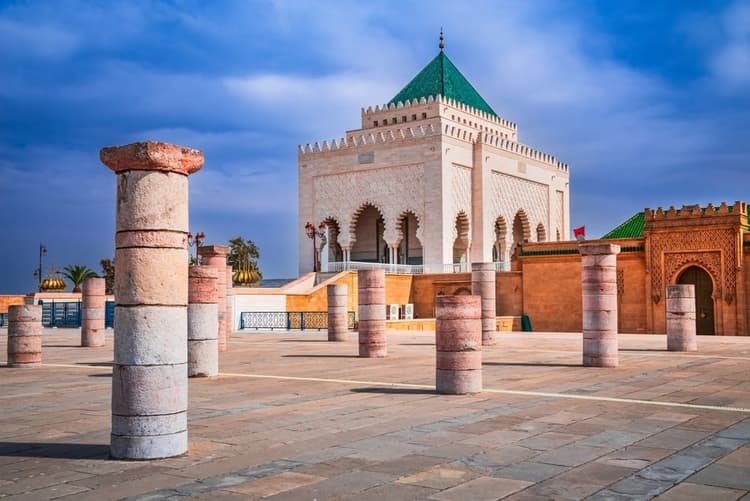
Mausoleum of Mohammed V
A major national monument opposite Hassan Tower, containing the tombs of King Mohammed V, King Hassan II and Prince Abdallah.
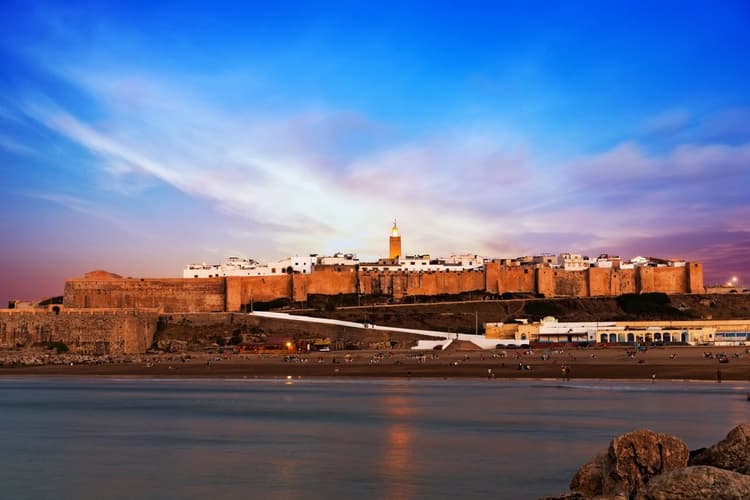
Chellah
A historic archaeological and necropolis site in Rabat, now ticketed, offering a quieter encounter with the city’s layered past.
What Can You Buy in Rabat's Souks?
Rabat's shopping centers on the medina, where historic streets and craft areas are easier to navigate than Morocco's larger souks like Marrakech or Fes.
Use this guide to distinguish the main shopping lanes, fixed-price craft options, and food-market stops.
The Souk Directory
Rue des Consuls
Rabat Medina’s best-known craft street, known for carpets, pottery, silver jewellery, babouches, lamps, jellabas, leather goods and silk fabrics.
Rue Souika
A lively commercial artery for everyday goods, spices, traditional browsing and local Medina movement.
Place Souk El Ghezel
A historic market area linked with wool trading and craft shops, including Rabat carpets.
Ensemble Artisanal
A practical fixed-price craft option for travelers who prefer clear pricing over bargaining.
Marché Central
A local food and produce market option for visitors interested in daily shopping and city life beyond souvenirs.
The "Fair Price" Reference Table (2024 Estimates)
| Item | Local Name | Est. Price (MAD) |
|---|---|---|
| Leather Slippers | Babouche | $10 – $25 |
| Argan Oil - Small Bottle | Zite Argan | $5 – $20 |
| Spice Mix | Ras el Hanout | $2 – $10 |
| Saffron | Zaafran Beldi | Check in-shop / Gram |
| Pottery or Ceramics | Fekhar | $3 – $20 |
| Rabati Carpet | Zarbia Rabatia | $50 – $300+ |
Which Tours Visit Rabat?
What Are the Best Things to Do in Rabat?

Frequently Asked Questions
Yes. Rabat is generally manageable for tourists with normal city precautions. Watch for pickpockets in busy markets and transport areas, avoid poorly lit or empty streets late at night, and use official taxis or reputable transfers when moving around after dark.
Spring, especially April to May, and autumn, especially September to October, are the most favourable periods, with mild weather, sunny days, and moderate crowds. Summer is also suitable for beaches and water activities, but it is busier and warmer.
No destination-specific tap-water safety data is published. Many travelers use bottled or filtered water to be cautious, especially for short stays, while also paying attention to food hygiene in busy markets and casual eateries.
The local currency is the Moroccan Dirham (MAD). ATMs and exchange services are available in Rabat, especially in central and modern districts, though exact ATM fee levels vary by bank and card provider.