Imlil
High Atlas gateway village for Toubkal National Park and Jebel Toubkal treks.
What Is Imlil Known For?
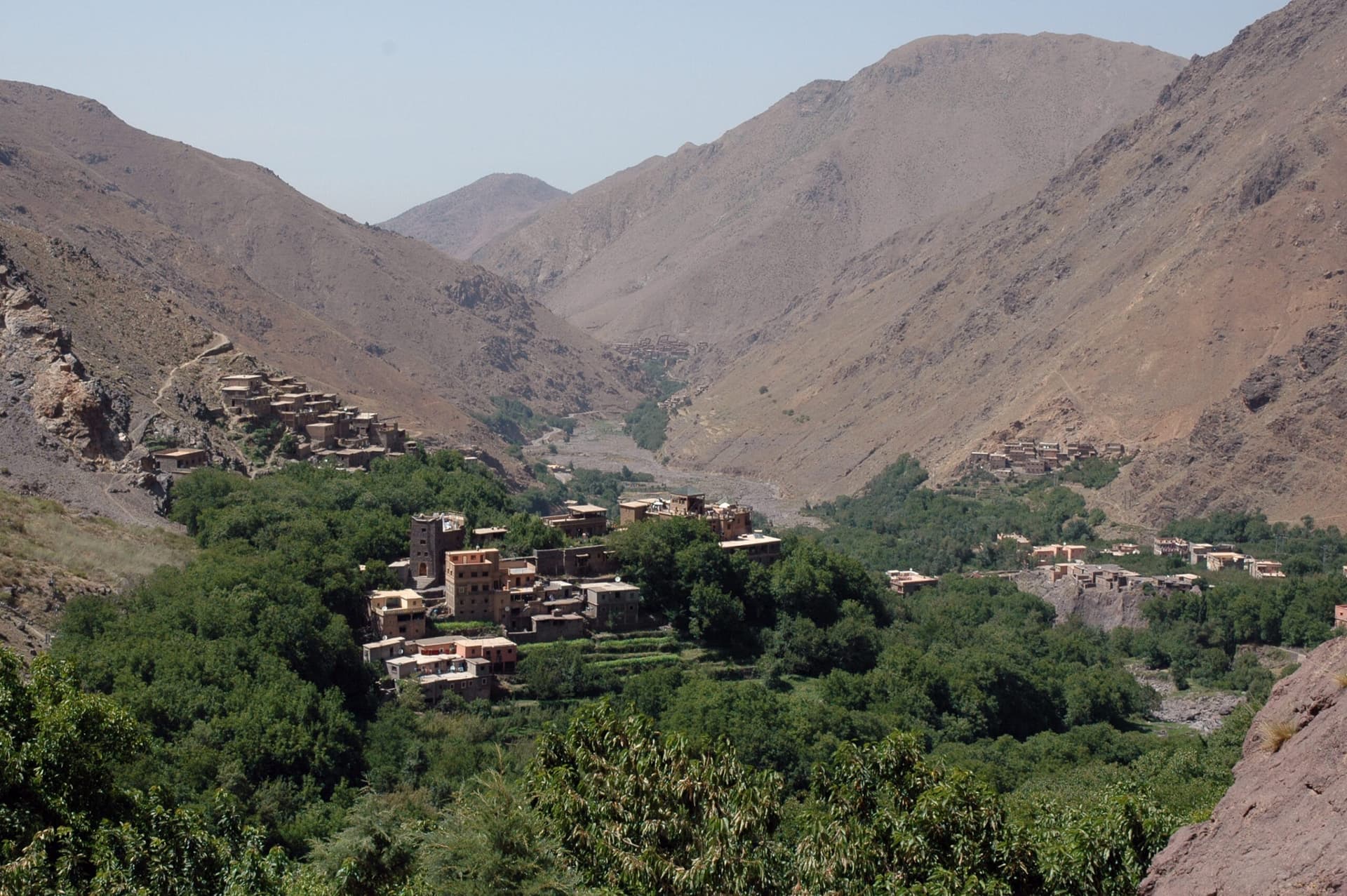
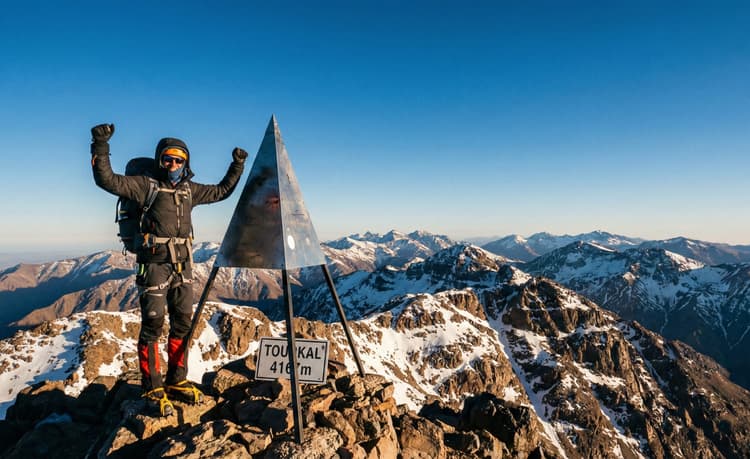
Imlil is a High Atlas mountain village in the Aït Mizane Valley at around 1,740 meters, the practical base for treks toward Jebel Toubkal — North Africa's highest peak at 4,167 meters.
Distinguished by steep valley scenery, orchards, mule tracks, and Amazigh villages rather than monumental walls, Imlil is the main High Atlas gateway south of Marrakech for day hikes and multi-day trekking routes.
31.1368° N, 7.9208° W
Warm temperate (Csb)
Marrakech Menara Airport (RAK)
8,840
Moroccan Dirham (MAD)
How Do You Get to Imlil?
Find the best transport options to reach Imlil comfortably.
By train and shared taxi
There is no direct rail line to Imlil, so the standard route is to take the Casablanca to Marrakech train and continue by road into the High Atlas. The train to Marrakech is comfortable and frequent, then travelers choose either shared local transport via Asni or a private taxi for the final mountain section. This is usually the most balanced option for cost, comfort, and reliability.
By plane via Marrakech
Flying from Casablanca to Marrakech can be quick in the air, but the total journey depends heavily on airport timing, security, baggage, and the onward road transfer to Imlil. This option is most useful for travelers already connecting through Mohammed V Airport rather than those starting in central Casablanca. After arrival in Marrakech, add a private taxi or local transport into the mountains.
By bus and shared taxi
Long-distance buses can connect Casablanca with Marrakech, where you must change to road transport for Imlil. From Marrakech, the budget route is usually bus or grand taxi to Asni, then a grand taxi onward to Imlil. This is slower than the train but can be economical for travelers prioritizing cost over speed.
By car
Driving from Casablanca gives full flexibility to reach Marrakech and continue south toward the High Atlas. The final approach to Imlil is a mountain road, so allow extra time for traffic, stops, and local conditions. This option is best for travelers comfortable with Moroccan highways and narrower valley roads.
By private taxi
A private transfer from Casablanca to Imlil offers the simplest door-to-door experience, usually routing through or around Marrakech before climbing into the mountains. It is the most convenient choice for families, groups, or travelers carrying trekking equipment. Confirm the full fare, pickup point, and whether stops are included before departure.
By shared local transport
The lowest-cost public approach combines rail or bus to Marrakech with shared local transport toward Asni and Imlil. The Asni to Imlil grand taxi segment is reported at about 30 MAD, or roughly US$3, though schedules are limited and Sundays may have fewer departures. This option requires patience, cash, and flexible timing.
What Are Imlil's Main Districts?
Imlil is organized into 6 main districts, from Imlil Center to Targa Imoula, each with its own character and things to do.
What Is Imlil's History as a Trekking Gateway?
Imlil's history is rooted in traditional agriculture and Amazigh mountain life rather than monumental city walls or medieval gates.
Toubkal National Park, established in 1942, and the rise of responsible trekking hospitality later transformed Imlil into the main access village for Jebel Toubkal.
The village was affected by the September 2023 Al Haouz earthquake - many homes sustained damage, though the village avoided major structural collapse - and trekking, guiding, and guesthouse operations have since resumed and are running normally.
Toubkal National Park
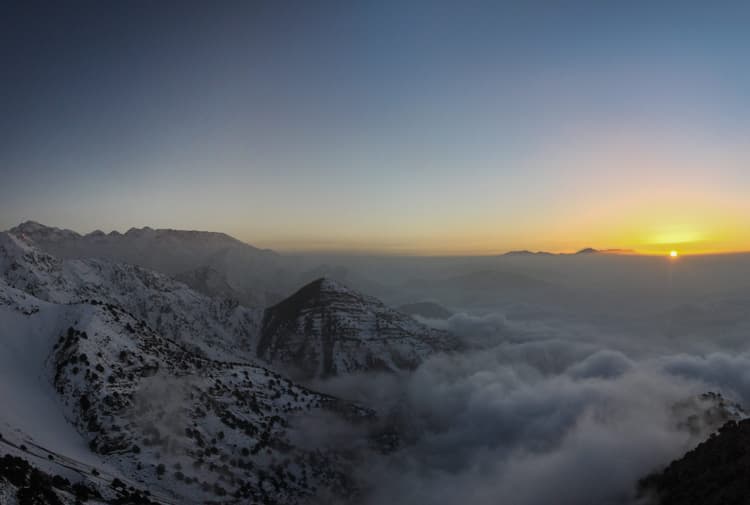
Morocco’s high mountain national park above Imlil, established in 1942 and covering 380 km² of High Atlas landscapes.
Jebel Toubkal
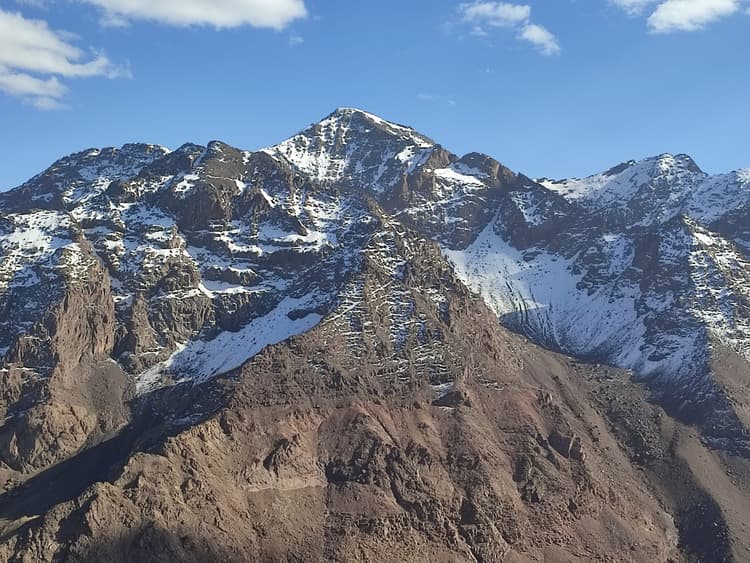
North Africa’s highest peak at 4,167 meters, most commonly approached from Imlil on a two- or three-day trek.
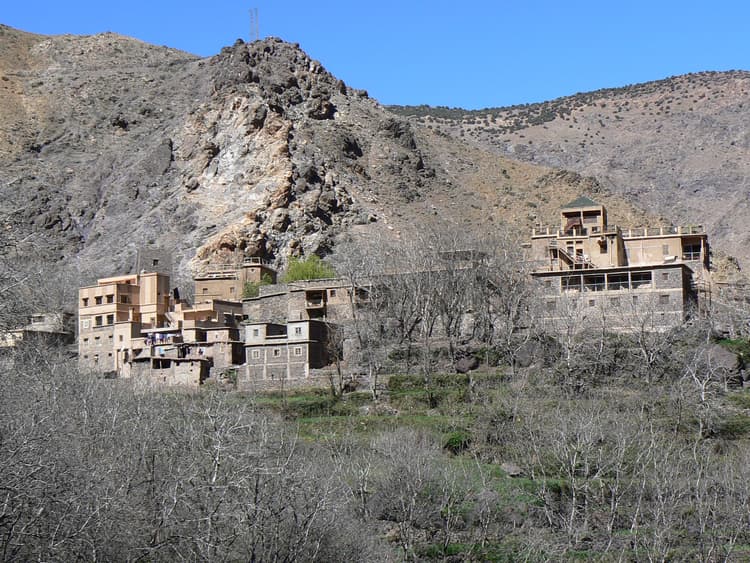
Kasbah du Toubkal
An award-winning mountain retreat above Imlil, known as a landmark of responsible tourism and Berber hospitality.
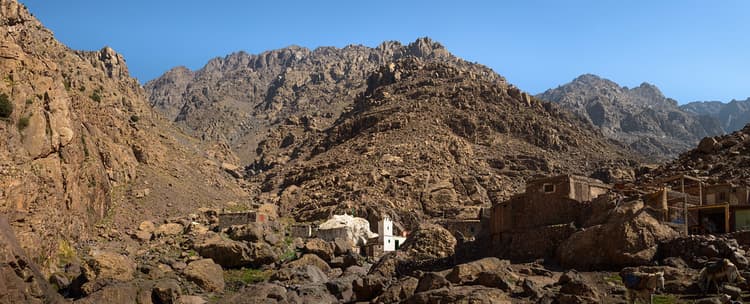
Sidi Chamharouch Shrine
A sacred mountain shrine on the classic Toubkal approach route, reached by a moderate day trek from Imlil.
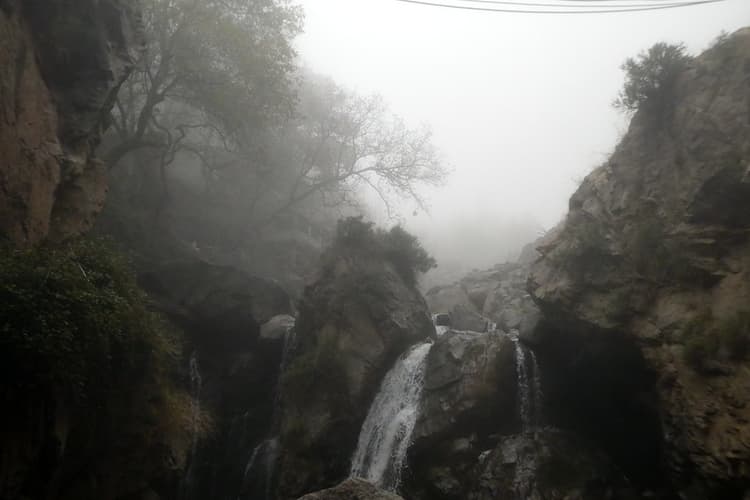
Imlil Waterfalls
A short walking attraction from Imlil, valued for the route, valley scenery, and simple refreshment stops.
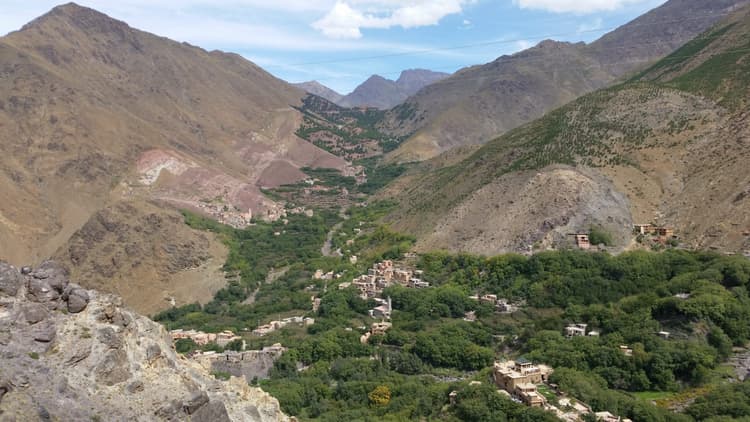
Aroumd Village Walk
A classic valley walk linking Imlil with the largest village of the Mizane Valley and views toward the Toubkal massif.
Where Can You Shop in Imlil?
Imlil isn't a major urban souk like Marrakech — shopping is focused on small mountain shops, trekking supplies, and local craft stalls.
Nearby Asni is a fuller gateway market if you need more variety.
The Souk Directory
Imlil Village Shops
Small village shops selling basic snacks, water, simple supplies, and items useful before short walks or longer treks.
Trekking Supply Points
Practical stops for last-minute walking items, mule arrangements, and guide contacts before entering Toubkal National Park.
Ait Souka and Valley Craft Stops
Local craft encounters around nearby villages, with woven goods, small accessories, and informal purchases arranged through local contacts.
Asni Gateway Stalls
Gateway shopping around Asni and Imlil, where small shops may sell locally woven carpets and traditional Berber jewelry.
Panoramic Cafés
Post-hike terraces and cafés serving mint tea, fresh orange juice, tagines, and simple mountain meals with High Atlas views.
The "Fair Price" Reference Table (2024 Estimates)
| Item | Local Name | Est. Price (MAD) |
|---|---|---|
| Mint Tea or Fresh Orange Juice | Atay / Assir Limoun | 1 – 3 |
| Small Spice Packet | Tawabel | 1 – 5 |
| Argan Oil Small Bottle | Zite Argan | 5 – 20 |
| Small Ceramics | Fakhar | 3 – 15 |
| Leather Slippers or Small Leather Item | Babouche | 10 – 30 |
| Berber Jewelry or Small Accessory | Tizizwit | 5 – 40 |
Which Tours Visit Imlil?
What Are the Best Things to Do in Imlil?
Frequently Asked Questions
Imlil is a well-established trekking base and day-trip village, but mountain conditions require normal caution. Use licensed local guides for serious hikes, check weather before departure, and avoid underestimating altitude, heat, storms, or winter snow.
Yes for Mount Toubkal. Travel safety sources state that Moroccan law requires a licensed guide for the Toubkal ascent. For short village walks and the waterfalls, a guide is not always required, but local guidance can improve safety, route choice, and cultural etiquette.
The High Atlas can be visited year-round, but conditions vary strongly by season. Summer is commonly used for trekking by fit hikers, while winter brings snow and requires proper planning, local advice, and suitable mountain gear.
Imlil sits roughly 1,740–1,900 meters above sea level, while Jebel Toubkal reaches 4,167 meters. Altitude sickness can be relevant on summit treks, so ascend gradually, hydrate, and discuss symptoms with your guide.