Azrou
The Amazigh mountain crossroads at the edge of the Middle Atlas cedar forests.
What Is Azrou Known For?
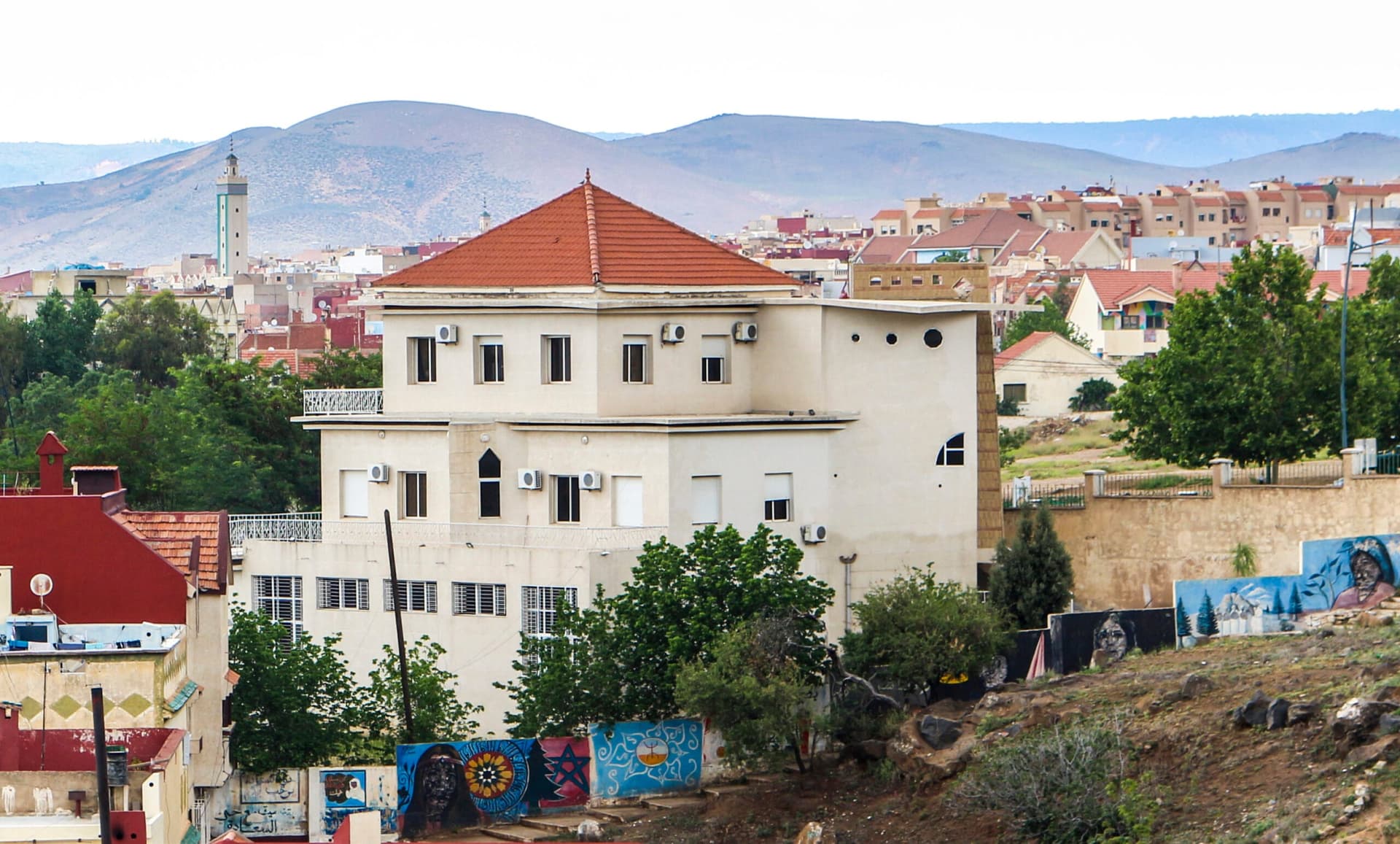
Azrou is a Middle Atlas mountain town at a strategic crossroads linking Meknes to Midelt, named after the Tamazight word Aẓro ("rock") for the prominent outcrop in its center.
Known for Amazigh culture, its Tuesday weekly souk, Atlas cedar forests, and Barbary macaques in the surrounding Cèdre Gouraud landscape, Azrou connects travelers toward Fes and Ifrane.
33.4344° N, 5.2213° W
Highland Mediterranean
Fes-Saïss Airport
57,657
Moroccan Dirham (MAD)
How Do You Get to Azrou?
Find the best transport options to reach Azrou comfortably.
By train + road transfer
Take an ONCF train from Casablanca toward Meknes or Fes, then continue by bus, grand taxi, or private transfer to Azrou. This is the most practical public-transport combination because Azrou does not have a mainline railway station. Check live ONCF and CTM schedules before departure, as the final road connection determines the total travel time.
By plane via Fes
A flight is only useful if it connects conveniently to Fes-Saïss Airport, the nearest airport to Azrou. After landing, travelers still need a road transfer through Ifrane or nearby routes. This option can save time for some itineraries, but airport processing and the final transfer may reduce the advantage over train and road travel.
By bus
Use a national coach service or a bus combination via Meknes, Fes, or another regional hub, then continue to Azrou when a direct service is not available. CTM and other Moroccan coach platforms should be checked live for current routes and fares. This is usually the budget choice, but it may require patience and a transfer.
By car
Driving from Casablanca gives the most flexibility, especially if you want to stop in Meknes, Fes, or Ifrane before reaching Azrou. The route uses major roads toward the north-central interior before connecting with the N13 or N8 approaches into the Middle Atlas. Carry cash for tolls and allow extra time for mountain traffic near Azrou.
By private taxi
A private taxi or pre-booked transfer is the simplest door-to-door option for families, groups, or travelers with luggage. It is more expensive than public transport but avoids station transfers and local negotiation at the end of the journey. Confirm the full fare and whether stops are included before leaving Casablanca.
By rideshare
Ridesharing can be a practical middle ground if a driver is heading toward Fes, Meknes, Ifrane, or directly to Azrou. Availability depends on the day, and the final leg may still require a taxi or bus connection. Confirm luggage space, pickup point, and drop-off location clearly before booking.
What Are Azrou's Main Districts?
Azrou is organized into 6 main districts, from Town Centre & Central Rock to N13 Roadside & Outskirts, each with its own character and things to do.
What Is the History Behind Azrou's Rock and Markets?
Azrou takes its name from the Tamazight Aẓro, meaning rock or stone, a reference to the prominent outcrop in the center of town.
Rather than historical city gates, Azrou's heritage is expressed through its Amazigh market-town identity, its Tuesday souk, and the cedar forests connecting it to surrounding highland villages.
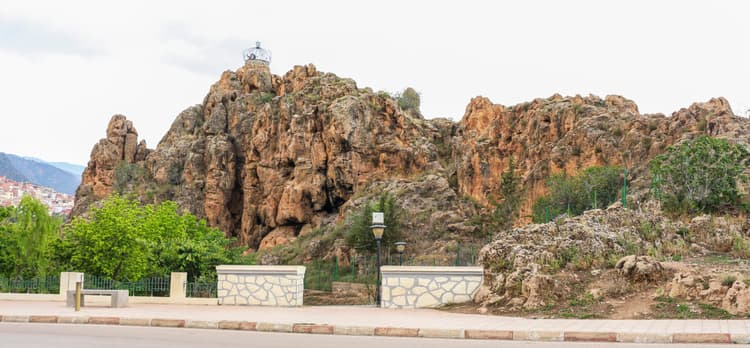
The Central Rock Outcrop
The basalt rock outcrop in the centre of town gives Azrou its name, derived from the Tamazight word Aẓro meaning rock or stone.
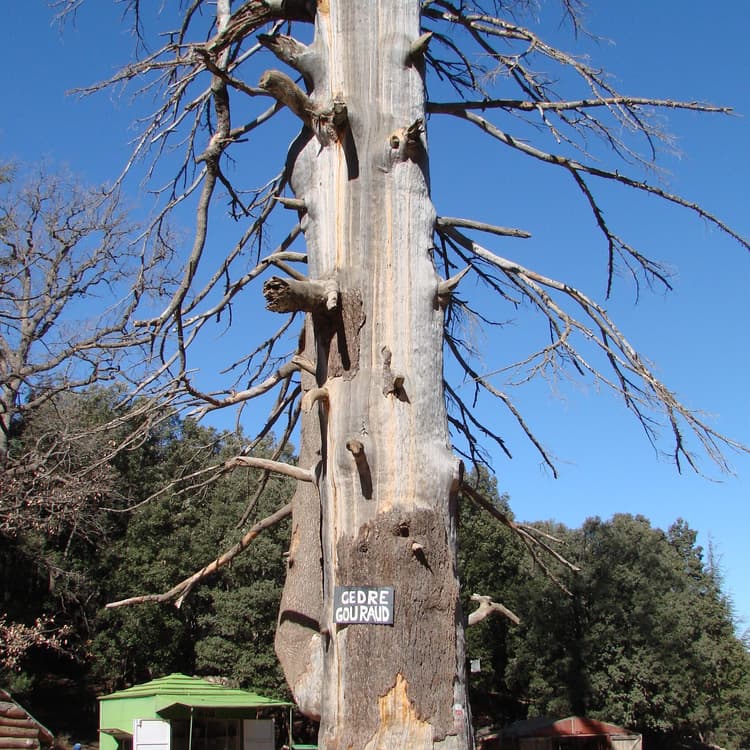
Cèdre Gouraud Forest
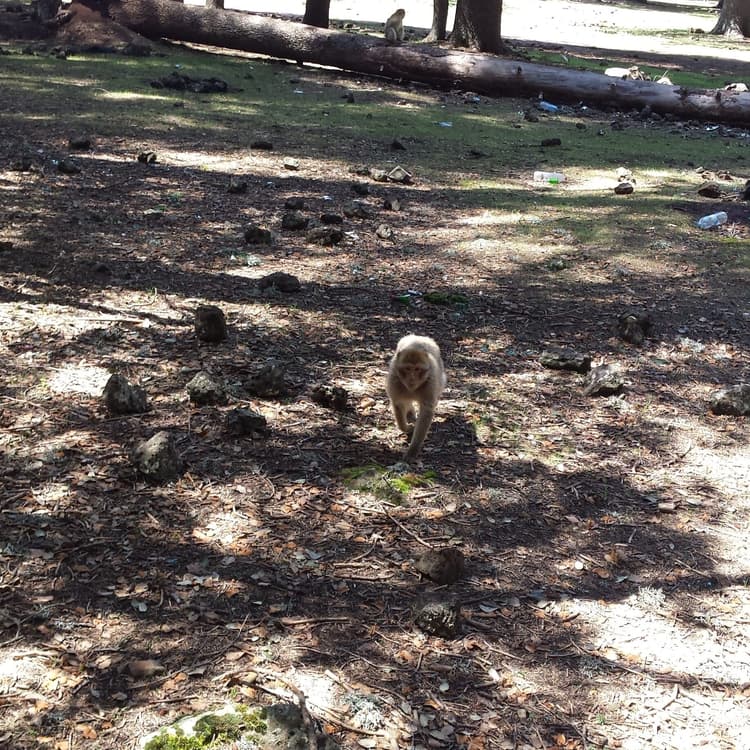
Cèdre Gouraud Forest is the best-known natural landmark near Azrou, associated with Atlas cedar trees, cool mountain air, and Barbary macaques.
Tuesday Souk
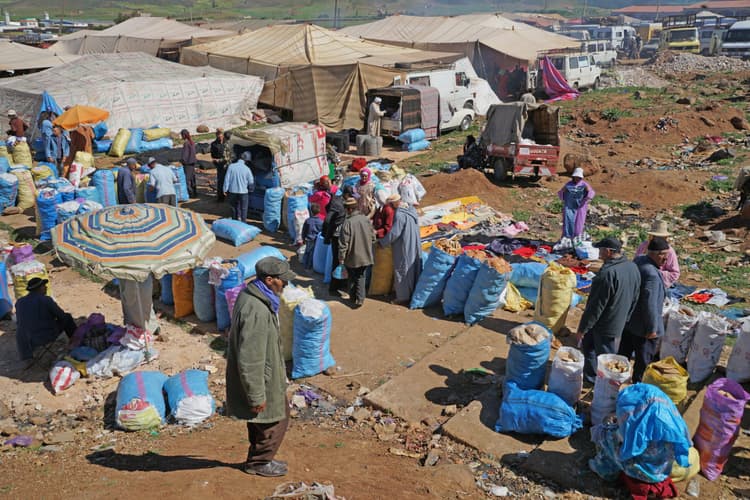
The Tuesday Souk is Azrou's most important weekly gathering, bringing surrounding villages into town for produce, spices, textiles, crafts, and daily commerce.
Ensemble Artisanal de Azrou
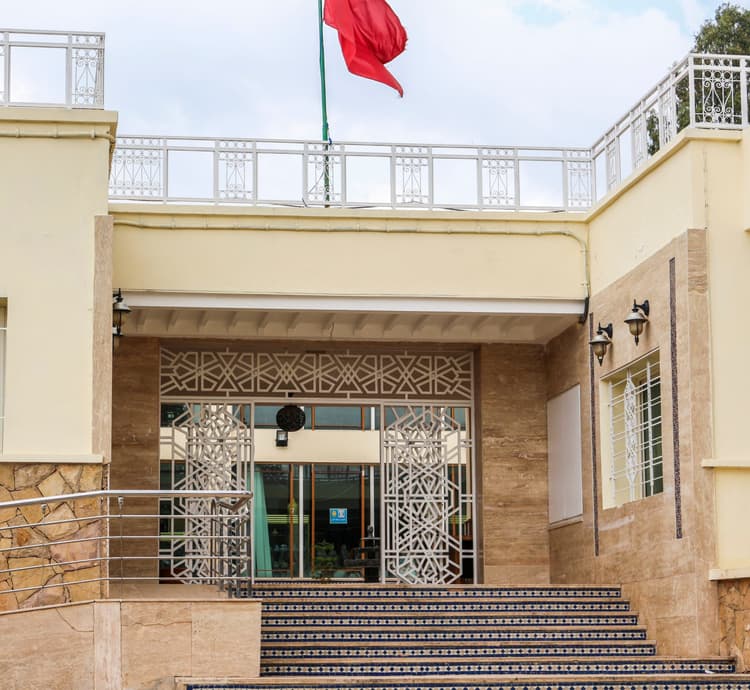
The Ensemble Artisanal de Azrou highlights the town's craft identity, including cedar woodwork, Berber carpets, embroidered textiles, and local artisan production.
Ifrane National Park
Ifrane National Park and the surrounding cedar landscapes extend Azrou's mountain appeal with forests, wetlands, scenic drives, and highland wildlife habitats.
Michlifen & Middle Atlas Lakes
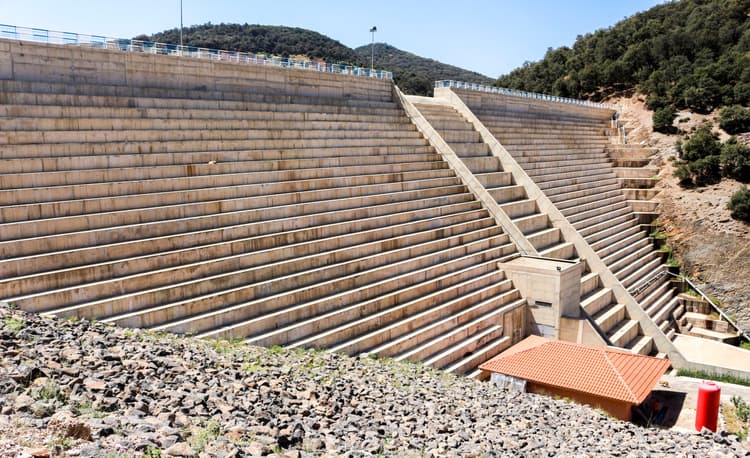
Michlifen and the nearby Middle Atlas lakes add resort scenery, mountain activities, picnic landscapes, and winter snow possibilities to an Azrou itinerary.
What Is Azrou's Tuesday Souk Like?
Azrou's shopping centers on the Tuesday weekly souk and its Amazigh craft traditions — practical local commerce rather than a tourist-only bazaar.
Expect produce, spices, textiles, cedar woodwork, carpets, and cooperative artisan spaces.
The Souk Directory
Tuesday Weekly Souk
The main weekly market, busiest on Tuesday, where surrounding villages come to buy and sell produce, textiles, household goods, and local crafts.
Fresh Produce Stalls
Seasonal fruit, vegetables, olives, herbs, and everyday food products sold for local households and market visitors.
Spice, Olive, and Honey Stalls
Small stalls for spices, olives, honey, and pantry goods, with prices varying by quality, weight, and negotiation.
Ensemble Artisanal de Azrou
A craft-focused stop associated with cedar woodwork, Berber carpets, embroidered textiles, and more transparent cooperative-style shopping.
Textile and Carpet Sellers
Textile and carpet sellers offering woven pieces, scarves, practical fabrics, and Amazigh-style carpets in a smaller mountain-town setting.
The "Fair Price" Reference Table (2024 Estimates)
| Item | Local Name | Est. Price (MAD) |
|---|---|---|
| Small Spices or Herbs | Aatir / Tiwizi n Lqot | 10 – 30 / 100g |
| Olives | Zeitoun | 20 – 40 / kg |
| Local Honey | Aasal | 60 – 120 / kg |
| Small Cedar-Wood Box | Sandouq n Arz | 50 – 200 |
| Woven Textile or Scarf | Mendil / Hayek | 50 – 200 |
| Small Berber Carpet | Zarbia Amazighia | 700 – 3,000+ |
Which Tours Visit Azrou?

What Are the Best Things to Do in Azrou?
Frequently Asked Questions
Azrou is generally considered a calm mountain town, but standard Morocco travel precautions still apply. Keep valuables secure in busy market areas, stay alert in transport hubs, and avoid demonstrations or large political crowds. The most likely travel concerns are petty theft, road conditions, weather changes, and informal prices rather than violent crime.
The most comfortable months are generally late spring through early autumn, with June to September often noted for milder mountain conditions. Winters can be cold and snowy because Azrou sits at high elevation in the Middle Atlas, while summers are usually more temperate than Morocco's hotter inland lowlands.
Azrou has a highland, Mediterranean-influenced mountain climate. Winters can be cold with frequent snowfall, especially compared with lowland Moroccan cities, while summers are generally mild. Travelers visiting in winter should check road conditions before heading toward cedar forests, Ifrane, Michlifen, or higher mountain routes.
Azrou-specific tap-water guidance was not verified, so cautious travelers should use bottled or filtered water if they have a sensitive stomach. The local currency is the Moroccan Dirham (MAD), and it is best to carry small bills for cafés, taxis, market purchases, and the Tuesday souk.