Agadir
Morocco's Atlantic beach-resort city and port, rebuilt after the 1960 earthquake.
What Is Agadir Known For?
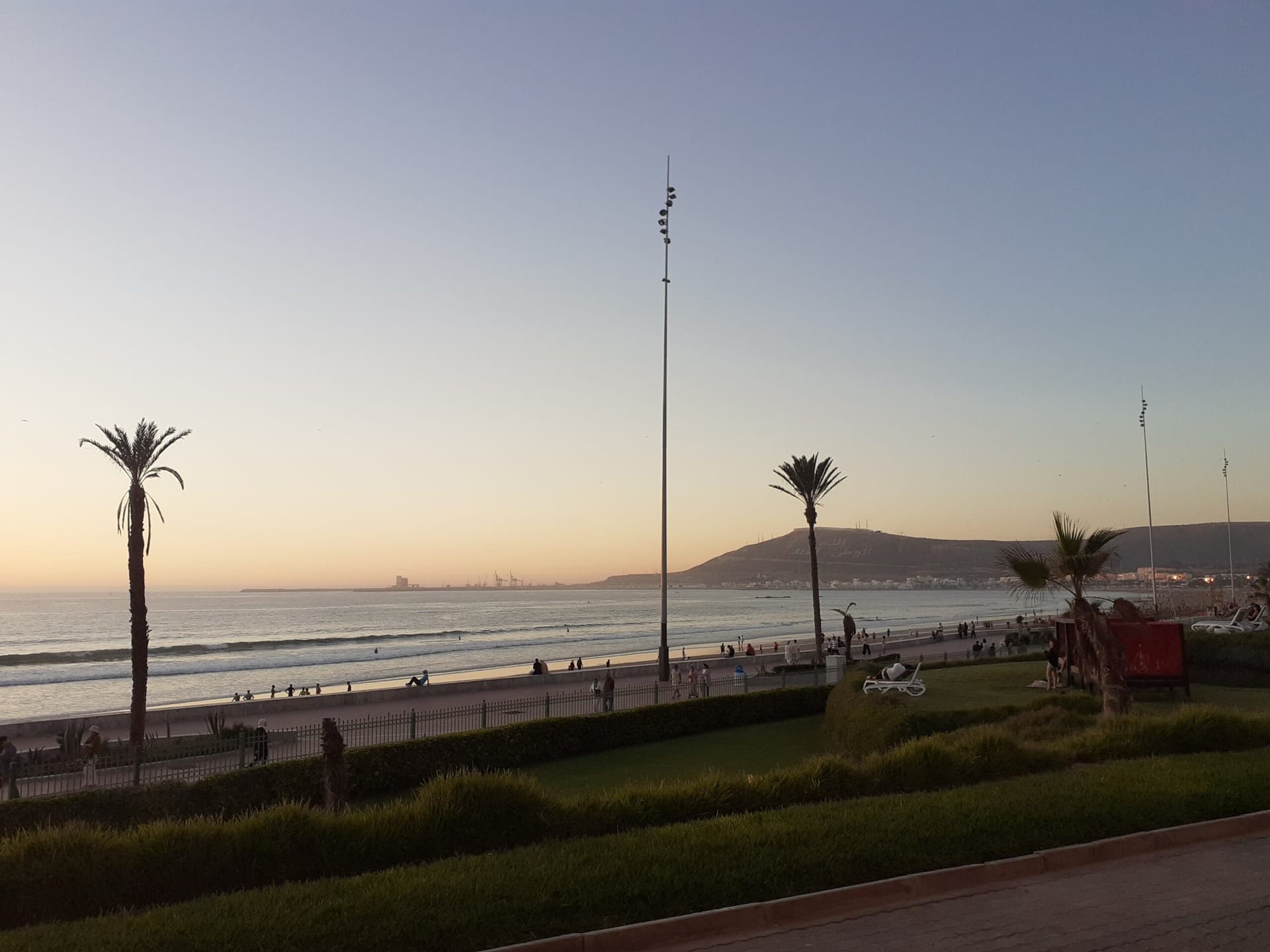
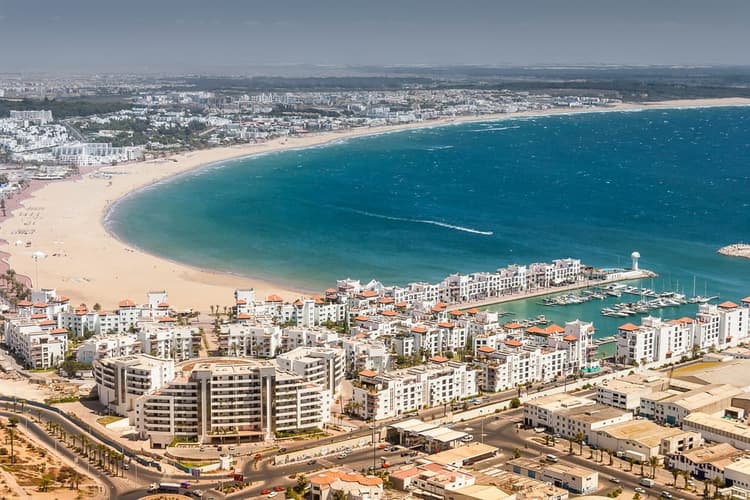
Agadir is a major Atlantic port and beach-resort city in southwestern Morocco, associated with ancient Atlantic trade and possibly the site of Portus Risadir. Its modern identity was reshaped by the devastating 1960 earthquake and the ambitious reconstruction that followed.
Occupied by the Portuguese from 1505 to 1541 before passing to the Saadian sultanate, Agadir today is known for its broad sandy bay, mild Atlantic climate, and the hilltop remains of Agadir Oufella.
30.4202° N, 9.5982° W
Semi-arid
Agadir Al Massira Airport
501,797
Moroccan Dirham (MAD)
How Do You Get to Agadir?
Find the best transport options to reach Agadir comfortably.
By train and bus
There is currently no direct railway line into Agadir, but travelers can combine Morocco’s rail network with a coordinated bus connection. This option is useful for visitors who prefer rail comfort for part of the journey and do not mind one change before reaching the coast. It is generally slower than flying and less direct than a coach, but it offers a structured overland route.
By plane
Flights from Casablanca Mohammed V Airport to Agadir Al Massira Airport provide the fastest city-to-city connection when schedules align. The flight time is short, though travelers should still factor in airport transfers, security, boarding, and baggage collection. This is the most convenient choice if you are already connecting through Casablanca by air.
By Bus
Long-distance coaches are the most common overland connection between Casablanca and Agadir. CTM and other operators run services on this route, with fares varying by class, date, and booking platform. Expect a practical, air-conditioned ride with luggage storage and scheduled stops on the way to the Atlantic resort city.
By Car
Driving gives you complete flexibility to leave Casablanca on your own schedule and continue directly toward the Souss-Massa coast. The route is best suited to travelers comfortable with Moroccan highways and longer intercity distances. Keep local currency ready for fuel, tolls, and roadside stops along the way.
By private taxi
A private taxi or pre-booked transfer provides the easiest door-to-door journey, especially for families, groups, or travelers carrying large luggage. Exact official fares vary and should be confirmed before departure. This is a premium option compared with bus travel, but it removes station transfers and schedule constraints.
By rideshare
Ridesharing can be a flexible and social alternative for travelers joining local drivers already heading south. Availability depends heavily on the date and pickup point, so confirm luggage space, air conditioning, and the final drop-off location before booking. It often sits between bus travel and private transfers in both comfort and cost.
What Are Agadir's Main Districts?
Agadir is organized into 6 main districts, from The Marina to Bensergao, each with its own character and things to do.
What Is the History Behind Agadir's Kasbah and the 1960 Earthquake?
Agadir's historical identity is defined by its Atlantic port, the hilltop kasbah of Agadir Oufella, and the catastrophic 1960 earthquake that transformed the city.
Unlike Morocco's older walled medinas, Agadir doesn't preserve a full system of historic city gates — its rebuilt city is represented instead by museums, mosques, gardens, and reconstructed cultural spaces telling a story of memory and renewal.
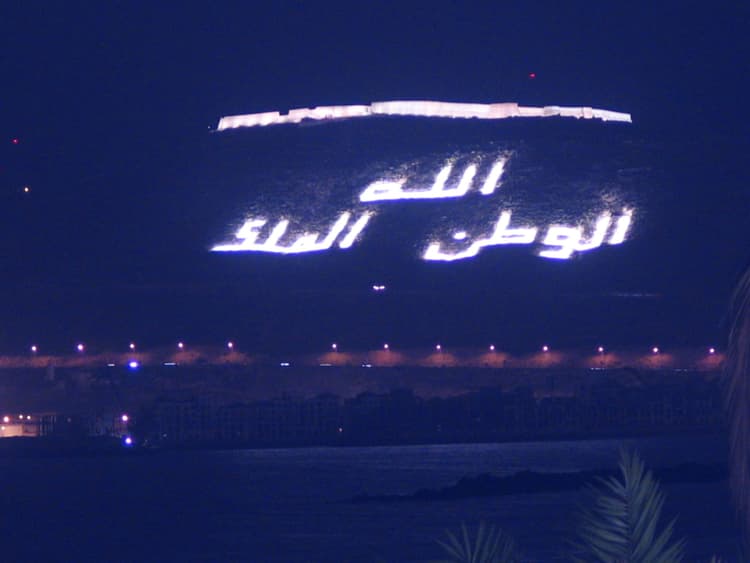
Agadir Oufella Kasbah
The hilltop kasbah and rampart site overlooking the bay, historically associated with the old city and deeply shaped by the 1960 earthquake.
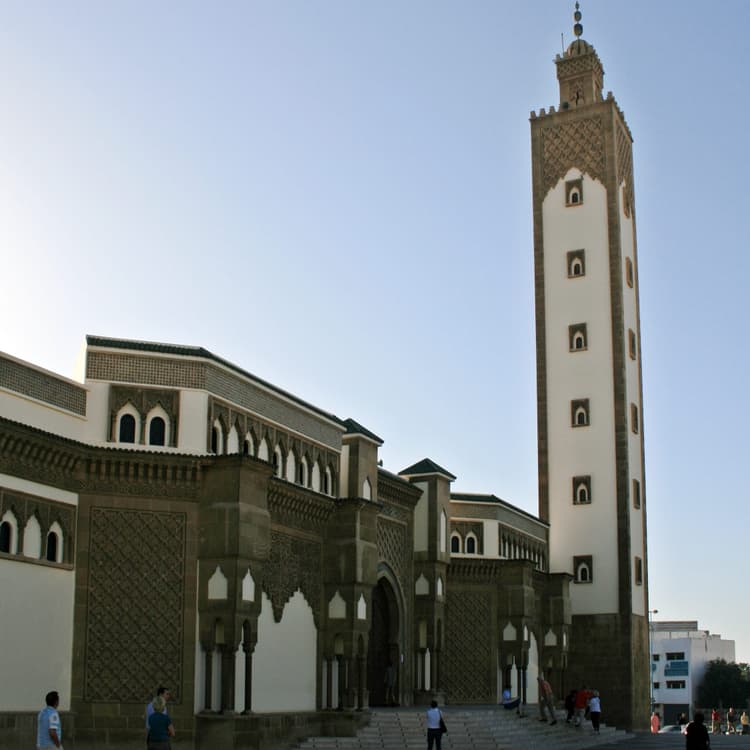
Mohamed V Mosque
A major mosque landmark in the rebuilt city, associated with central Agadir and the civic identity of the modern urban core.
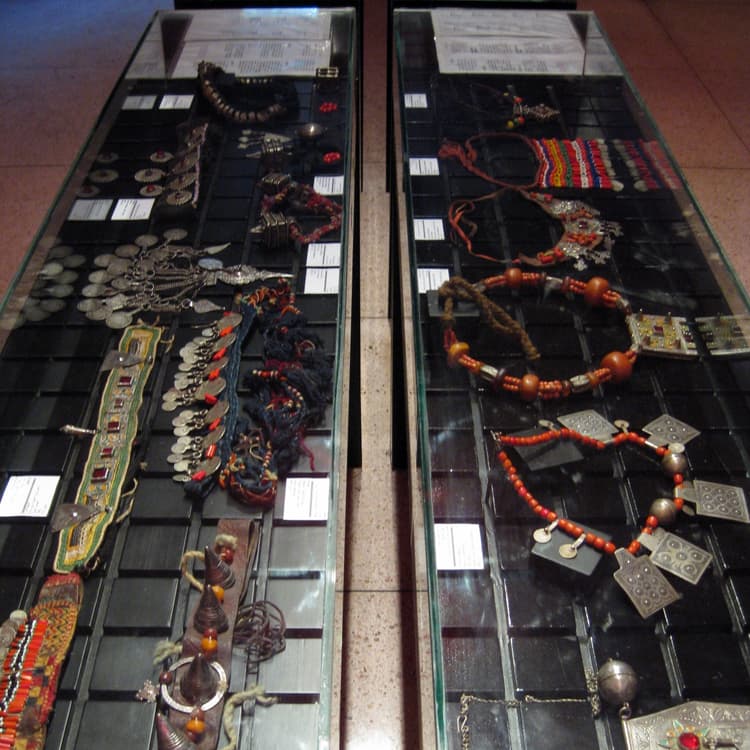
Memory Agadir Museum
A small museum and memorial space dedicated to the 1960 earthquake and the transformation of Agadir after disaster.
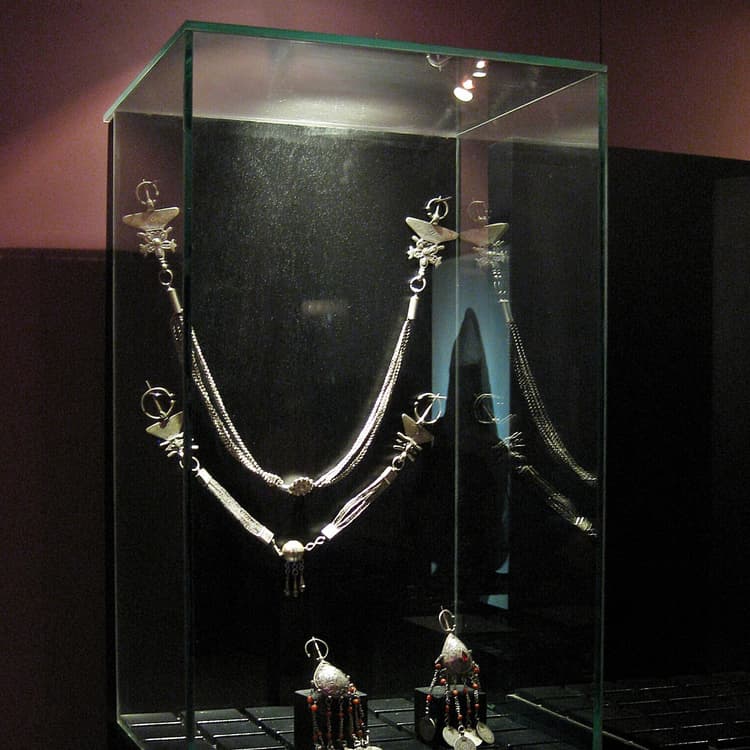
Amazigh Heritage Museum
A cultural museum dedicated to Amazigh heritage, jewelry, objects, and regional identity in the Souss-Massa area.
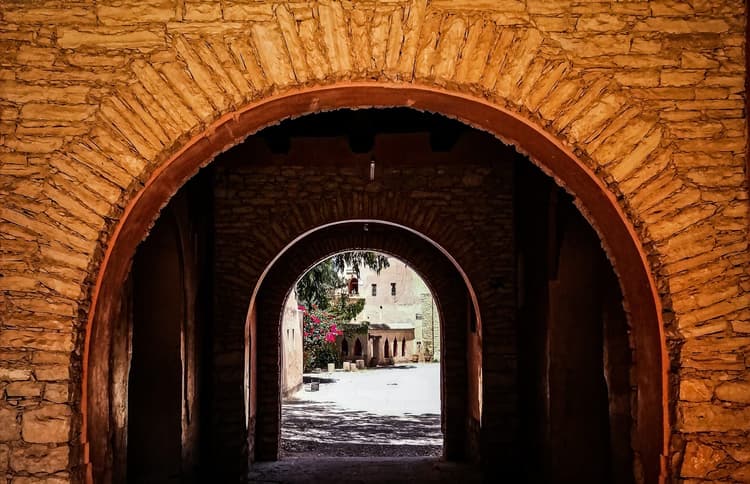
Medina Polizzi
A reconstructed medina-style complex designed to evoke traditional Moroccan architecture after the loss of old Agadir.
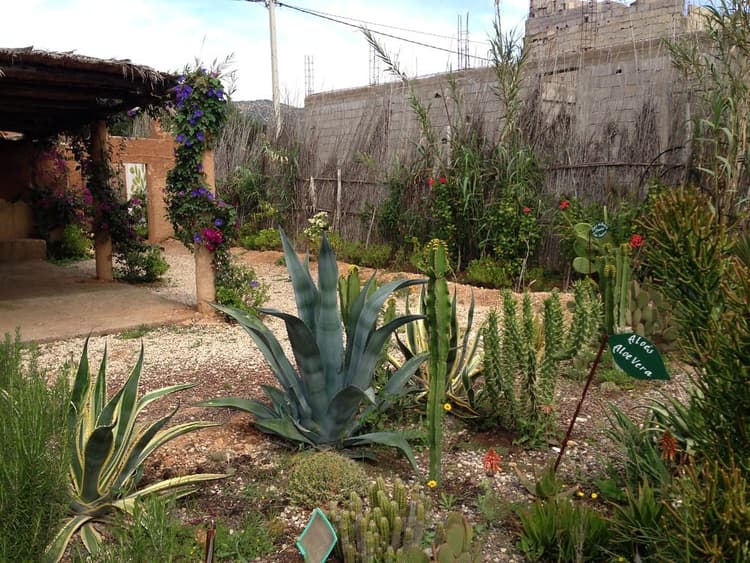
Olhao Garden
A garden and cultural landmark near Talborjt, associated with Agadir’s rebuilt city and Portuguese twin-city memory.
What Can You Buy in Agadir's Markets?
Shopping in Agadir centers on Souk El Had, the city's vast urban market, supported by artisan spaces, marina boutiques, and cooperatives.
Bargaining is expected in the souk, while cooperatives and artisan shops are more likely to use fixed or fair prices.
The Souk Directory
Souk El Had
Agadir’s major market, commonly described as a vast covered urban souk with thousands of shops, produce stalls, spices, leather, rugs, pottery, clothing, olives, and souvenirs.
Ensemble Artisanal
A practical place for artisan goods and craft shopping, often better suited to travelers who prefer calmer browsing and fairer fixed-price-style purchasing.
Agadir Marina Shops
A modern waterfront shopping area with boutiques, cafés, restaurants, and a more polished resort atmosphere than the traditional souk.
Argan Cooperatives
Cooperatives and fixed-price shops are recommended for argan oil and regional products, especially for travelers wanting to reduce the risk of adulterated oil.
Modern Retail Stores
Modern retail and mall-style shopping provide a straightforward alternative for travelers looking for clothing, everyday goods, and less bargaining-focused purchases.
The "Fair Price" Reference Table (2024 Estimates)
| Item | Local Name | Est. Price (MAD) |
|---|---|---|
| Cosmetic Argan Oil | Zite Argan Tajmil | 8 – 15 / 100ml |
| Amlou Paste | Amlou | 8 – 15 / 250g |
| Saffron | Zaafran Taliouine | 1.50 – 3 / Gram |
| Leather Bag | Sac Cuir | 40 – 80 |
| Wool Rug | Zarbia | 150 – 400 |
| Airport Aerobus Ticket | Navette Aéroport | 5 One-way / 8 Return |
Desert Tours & Day Trips Starting from Agadir
Which Tours Visit Agadir?
What Are the Best Things to Do in Agadir?

Frequently Asked Questions
Yes. Agadir is generally considered approachable for beach travelers and first-time visitors, but normal precautions still apply. Watch belongings in crowded areas, use licensed taxis, stay alert around tourist zones, and follow Morocco-wide safety guidance.
For beach weather, June through September or October is commonly recommended. For more comfortable sightseeing and excursions, April to May and September to October are often the most balanced months, with mild conditions and fewer extremes.
Tap water in major Moroccan cities is treated, but visitors with sensitive stomachs are usually advised to use bottled or filtered water. Locals may drink tap water, while travelers often prefer bottled water for short stays.
The local currency is the Moroccan Dirham (MAD or DH). ATMs and card payments are available in city and tourist areas, but cash remains important for souks, small cafés, taxis, and local purchases.