Tangier
Morocco's northern gateway between Africa and Europe, with a historic medina, Kasbah, port, beaches, and Strait of Gibraltar views.
What Is Tangier Known For?
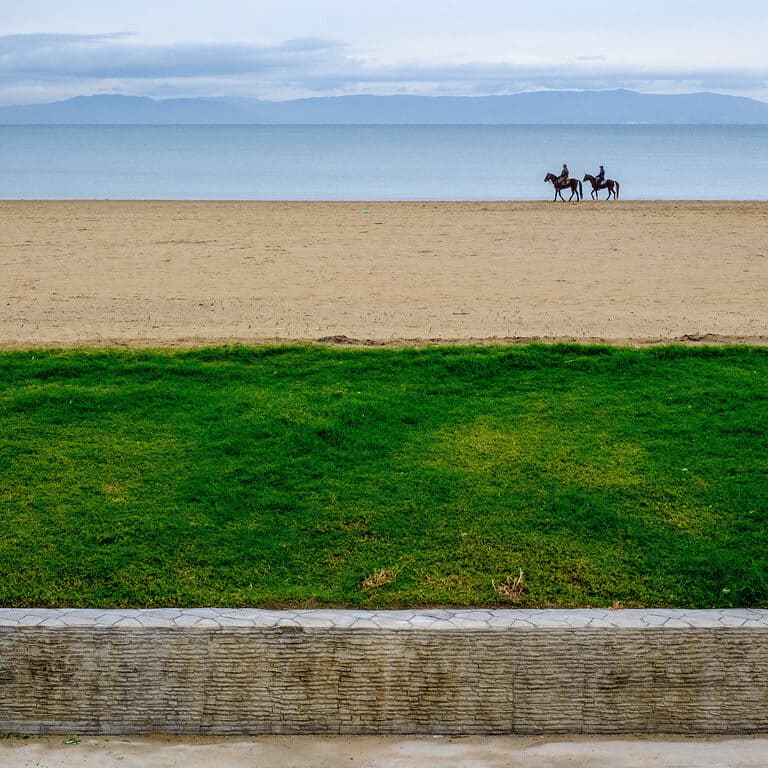
Tangier is a historic port city on the Strait of Gibraltar, about 17 miles from Spain, where the Mediterranean meets the Atlantic — a long-standing gateway between Europe and Africa. It's known for its historic medina and kasbah and a cosmopolitan reputation dating back to Phoenician and Roman times.
Shaped by Islamic and European rule, an international-zone period, and a 1950s–60s reputation as a haven for artists and writers, Tangier remains one of Morocco's most cosmopolitan cities.
35.7673° N, 5.7998° W
Mediterranean
Tangier Ibn Battouta Airport
1,275,428
Moroccan Dirham (MAD)
How Do You Get to Tangier?
Find the best transport options to reach Tangier comfortably.
By train
Take the Al Boraq high-speed train from Casa Voyageurs to Tangier Ville for the fastest and most comfortable public route. ONCF's Al Boraq line links Casablanca, Rabat Agdal, Kenitra, and Tangier, making this the preferred downtown-to-downtown option for most travelers.
By plane
Flights between Casablanca and Tangier can exist, but they are usually less practical than the high-speed train once airport transfers, security, and waiting time are included. This option is most useful if you are already connecting through an airport itinerary.
By bus
Long-distance buses connect Casablanca and Tangier, generally at a slower pace than the train. They can be useful for travelers prioritizing cost over speed, but schedules and fares should be checked directly with current operators before departure.
By car
Driving gives you control over departure time and luggage, with the route following Morocco's major northbound road network. It is a practical choice for travelers planning stops along the Atlantic corridor or continuing beyond Tangier.
By private taxi
A private transfer offers door-to-door comfort between Casablanca and Tangier, avoiding train stations and luggage changes. One private-transport benchmark lists Casablanca to Tangier from 2,900 MAD, making this a premium option best suited to groups or travelers seeking maximum convenience.
By rideshare
Rideshare availability can vary by date and platform, but it may provide a flexible middle ground between bus travel and private transfer. Confirm pickup point, luggage space, and arrival location in Tangier before committing to the journey.
What Are Tangier's Main Districts?
Tangier is organized into 6 main districts, from The Medina (Old Town) to Malabata (Modern Waterfront), each with its own character and things to do.
What Is the History Behind Tangier's Kasbah and Gateways?
Tangier's history is defined by its position on the Strait of Gibraltar, shaped by Phoenician origins, Roman Tingis, Islamic and Arab rule, and Portuguese and British control.
The city's gates, ramparts, kasbah, Dar el Makhzen, and American Legation preserve the story of a strategic port and diplomatic crossroads, including its 20th-century run as an International Zone before reintegration into Morocco.
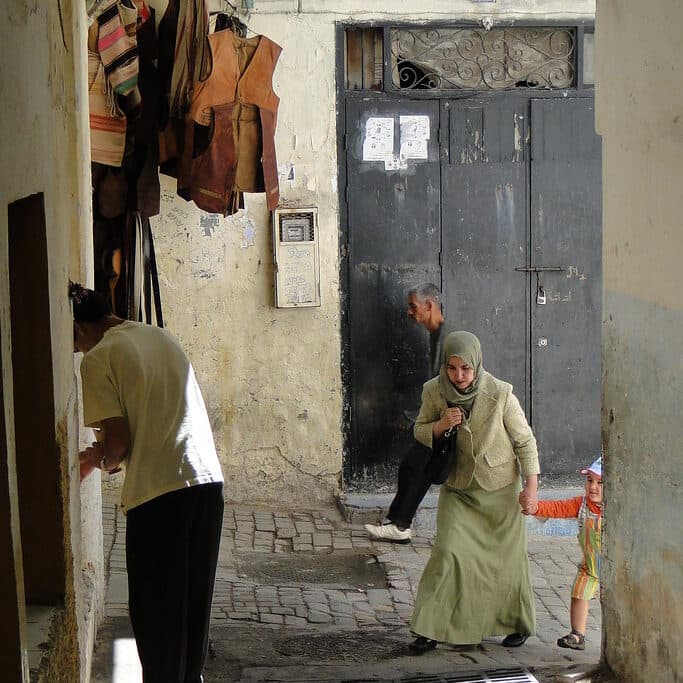
Bab El-Assa
The massive arched gateway into the Kasbah, associated with whitewashed lanes, lookout points, and decorative details including zellij, stucco, and carved wood.
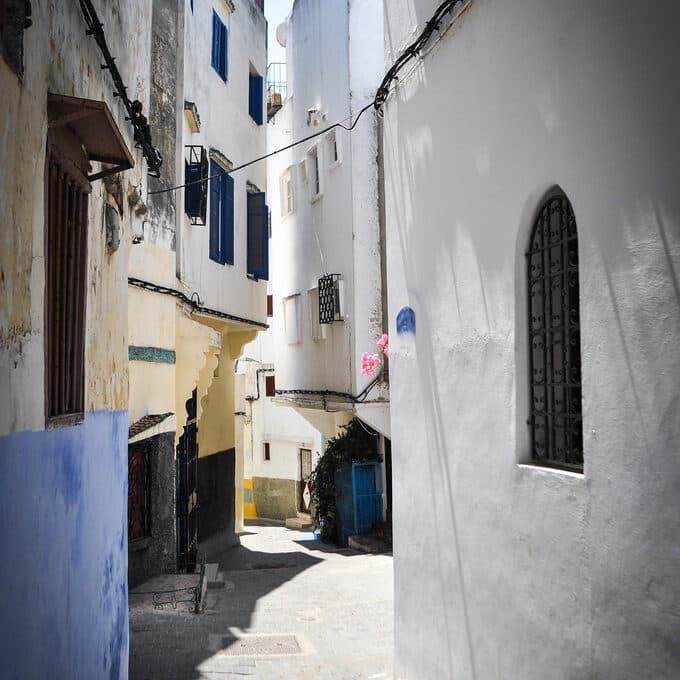
Bab Haha
A historic Kasbah gate mentioned in visitor routes around the fortified quarter, close to ramparts and elevated old-town viewpoints.
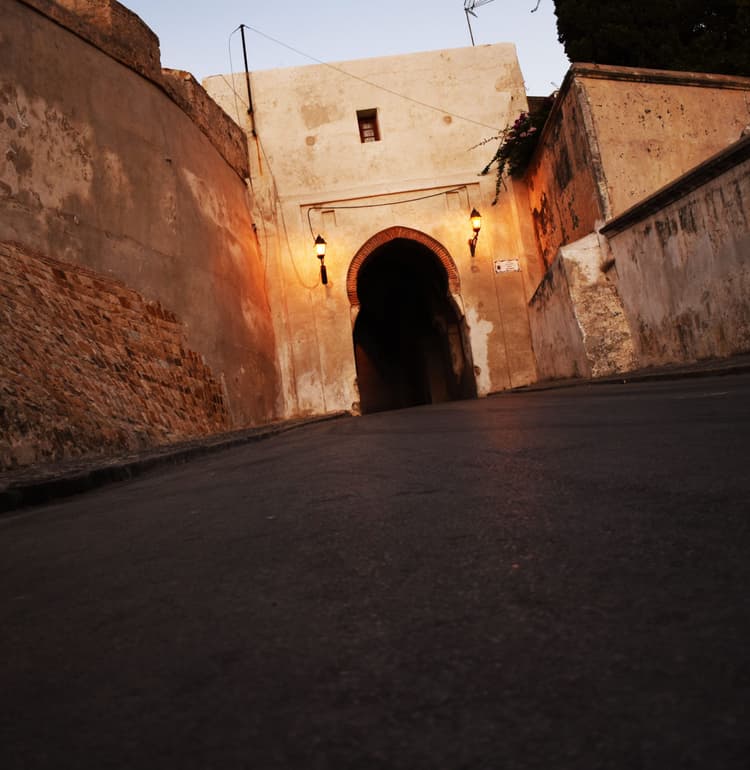
Bab el-Bhar
A Kasbah gate associated with routes toward the sea, reinforcing Tangier's historic relationship with the port, bay, and Strait of Gibraltar.
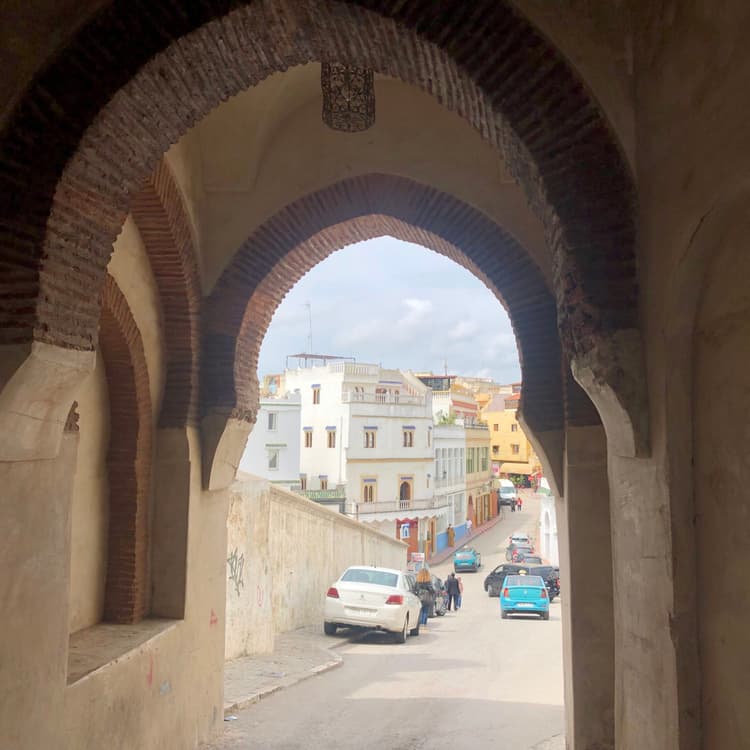
Bab el-Kasbah
A historic gate name connected with the Kasbah area, marking access into Tangier's fortified upper quarter and its museum district.
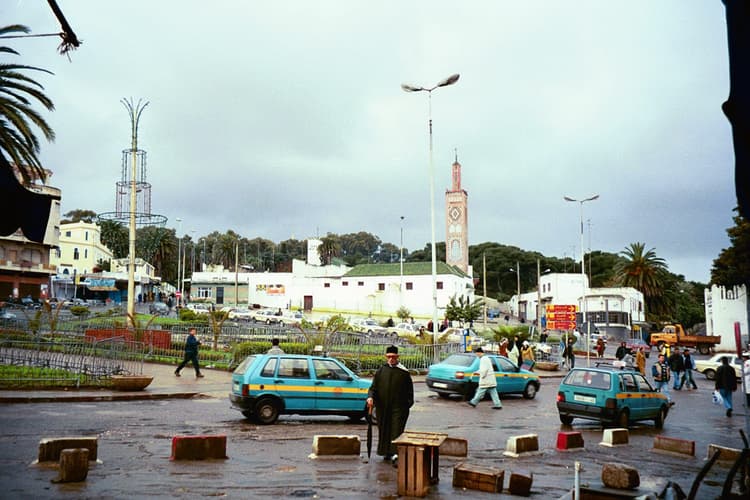
Bab el-Fahs
A medina entrance commonly used on walking routes from the Grand Socco into Tangier's historic old town.
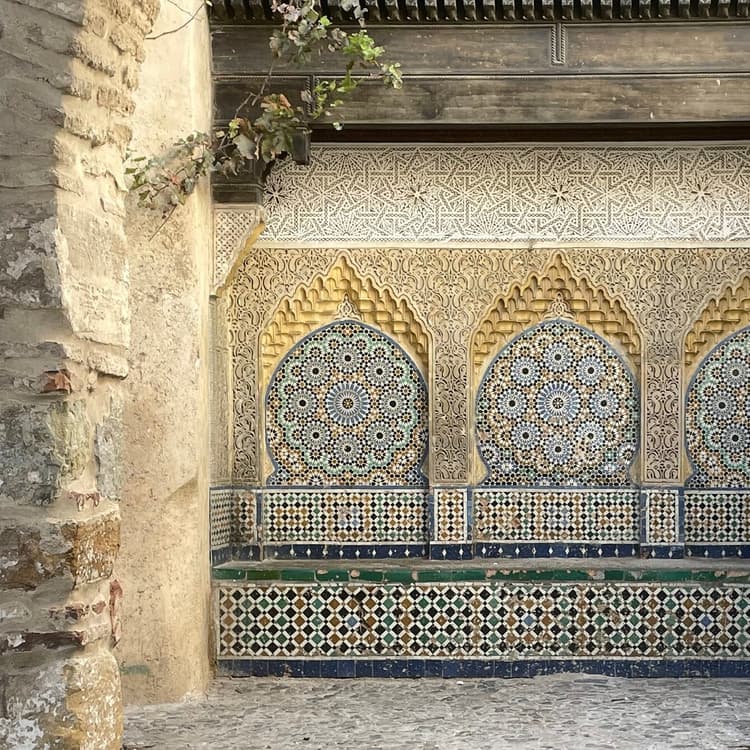
Dar el Makhzen (Kasbah Museum)
The former Sultan's palace in the Kasbah, now a museum complex and one of Tangier's key monuments.
What Can You Buy in Tangier's Markets?
Tangier's shopping centers on the Grand Socco, Petit Socco, medina souks, Fondouk Chejra, and Casabarata Market.
Bargaining is part of the culture in souks and informal markets, while fixed-price shops and shopping centers work differently.
The Souk Directory
Grand Socco
A major threshold between the modern city and the Medina, surrounded by shops, cafés, and old-town shopping routes.
Petit Socco
A smaller historic square inside the Medina, known for cafés, atmosphere, and access to nearby shops and lanes.
Medina Souks
Traditional old-town shopping streets for souvenirs, leather goods, spices, textiles, and everyday market browsing.
Fondouk Chejra
The weavers' market, highlighted for rugs, woven goods, towels, robes, scarves, and textiles.
Casabarata Market
A sprawling local market and district known for modest prices and everyday goods, more local and less polished than tourist souks.
The "Fair Price" Reference Table (2024 Estimates)
| Item | Local Name | Est. Price (MAD) |
|---|---|---|
| Leather Slippers | Babouche | $8 – $11 |
| Argan Oil | Zite Argan | $16 approx. |
| Spices | Tawabel | Varies by spice |
| Carpet or Rug | Zarbia | Varies by size/material |
| Woven Textiles | Mansouj | Varies by shop |
| Tea Set | Atay | Varies by quality |
Desert Tours & Day Trips Starting from Tangier
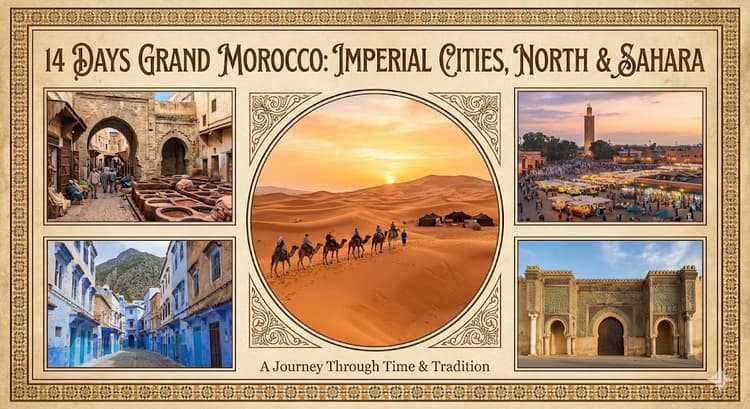
Which Tours Visit Tangier?
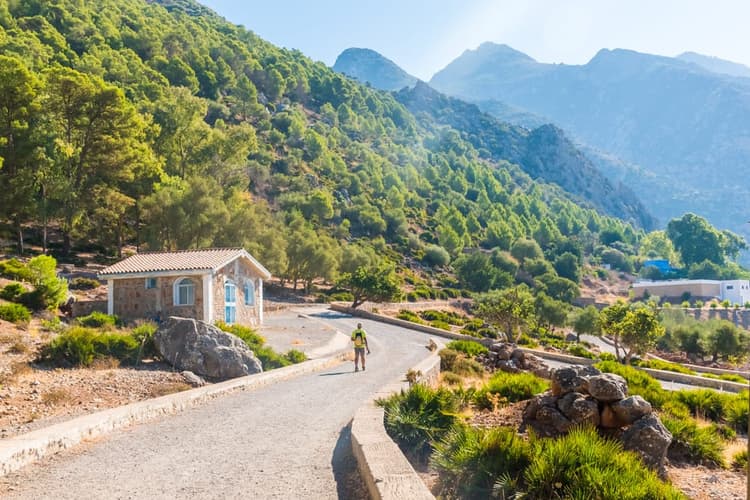
What Are the Best Things to Do in Tangier?

Frequently Asked Questions
Tangier is a major Moroccan city visited by international travelers, but normal city precautions are important. The U.S. Department of State advises exercising increased caution in Morocco due to terrorism and notes that tourist locations, transportation hubs, markets, shopping malls, and local government facilities can be potential targets. In practical terms, stay aware in crowded markets, protect valuables, use licensed taxis or trusted transfers, and check current advisories before travel.
The best overall sightseeing windows are spring (March to May) and autumn (September to November), when temperatures are generally more comfortable for walking the Medina, Kasbah, Corniche, and Cape Spartel. Summer is drier and better for beach-focused trips, but it can be busier and warmer. Winter is mild but rainier, with occasional wet days.
Moroccan city tap water is generally treated, but travelers are commonly advised to drink bottled water to avoid stomach upset. This is especially sensible for short visits. Use bottled or filtered water for drinking if you have a sensitive stomach, and keep small bottles handy when walking the Medina or taking day trips.
The local currency is the Moroccan Dirham (MAD). Cash is important in souks, taxis, small cafés, and markets, while cards are easier in hotels, modern restaurants, and larger shops. Bargaining is normal in traditional souks and informal markets, but not in fixed-price shops, malls, or restaurants.