Safi
Atlantic port city of ceramics, sardines, Portuguese fortresses, and rugged surf beaches.
What Is Safi Known For?
Safi is a historic Atlantic port city long associated with sardine fishing, port activity, and ceramics — occupied by the Portuguese Empire from 1488 to 1541, who built it into a fortaleza in 1508.
Its fortifications — Dar el-Bahar and the Kechla — still define the skyline alongside a walled medina, Potters' Hill, and nearby Atlantic beaches like Lalla Fatna and Sidi Bouzid.
32.2994° N, 9.2372° W
Hot semi-arid (BSh)
Essaouira-Mogador Airport (nearest); Marrakesh Menara Airport (better connected)
324,000–346,000
Moroccan Dirham (MAD)
How Do You Get to Safi?
Find the best transport options to reach Safi comfortably.
By bus
CTM buses provide one of the simplest direct public-transport links between Casablanca and Safi. Services from Casablanca toward Safi are widely listed by travel aggregators, with journey times generally around four hours. This is the most practical choice for travelers who prefer a guaranteed seat, luggage storage, and no rail connection.
By train
Rail travel is possible, but it is not as straightforward as the bus. The usual route involves taking an ONCF train through Gare de Ben Guerir and continuing to Gare ONCF de Safi. It suits travelers who prefer trains and do not mind a connection, but schedules should be checked carefully before departure.
By car
Driving from Casablanca to Safi offers flexibility and a relatively direct Atlantic-region road journey. The distance is commonly listed around 238 km, though exact timing depends on route, traffic, and stops. A rental car is useful if you plan to continue to beaches or smaller coastal towns after Safi.
By private taxi
A private taxi or pre-booked transfer provides door-to-door convenience from Casablanca to Safi without handling bus stations or rail changes. It is best for families, small groups, or travelers with heavy luggage. Confirm the total fare before departure, as private intercity prices vary by vehicle and negotiation.
By rideshare
Rideshare or shared car options may appear between major cities and can reduce the cost compared with a private transfer. Availability depends on the day and driver route, so confirm pickup point, luggage allowance, and final drop-off in Safi before booking.
What Are Safi's Main Districts?
Safi is organized into 6 main districts, from The Medina (Old City) to Lalla Fatna Beach, each with its own character and things to do.
What Is the History Behind Safi's Portuguese Fortresses?
Safi's history includes ancient Carthaginian, Roman, and Muslim settlement layers, with the city mentioned as a ribāṭ in the 13th century, before the Portuguese occupied it from 1488 to 1541.
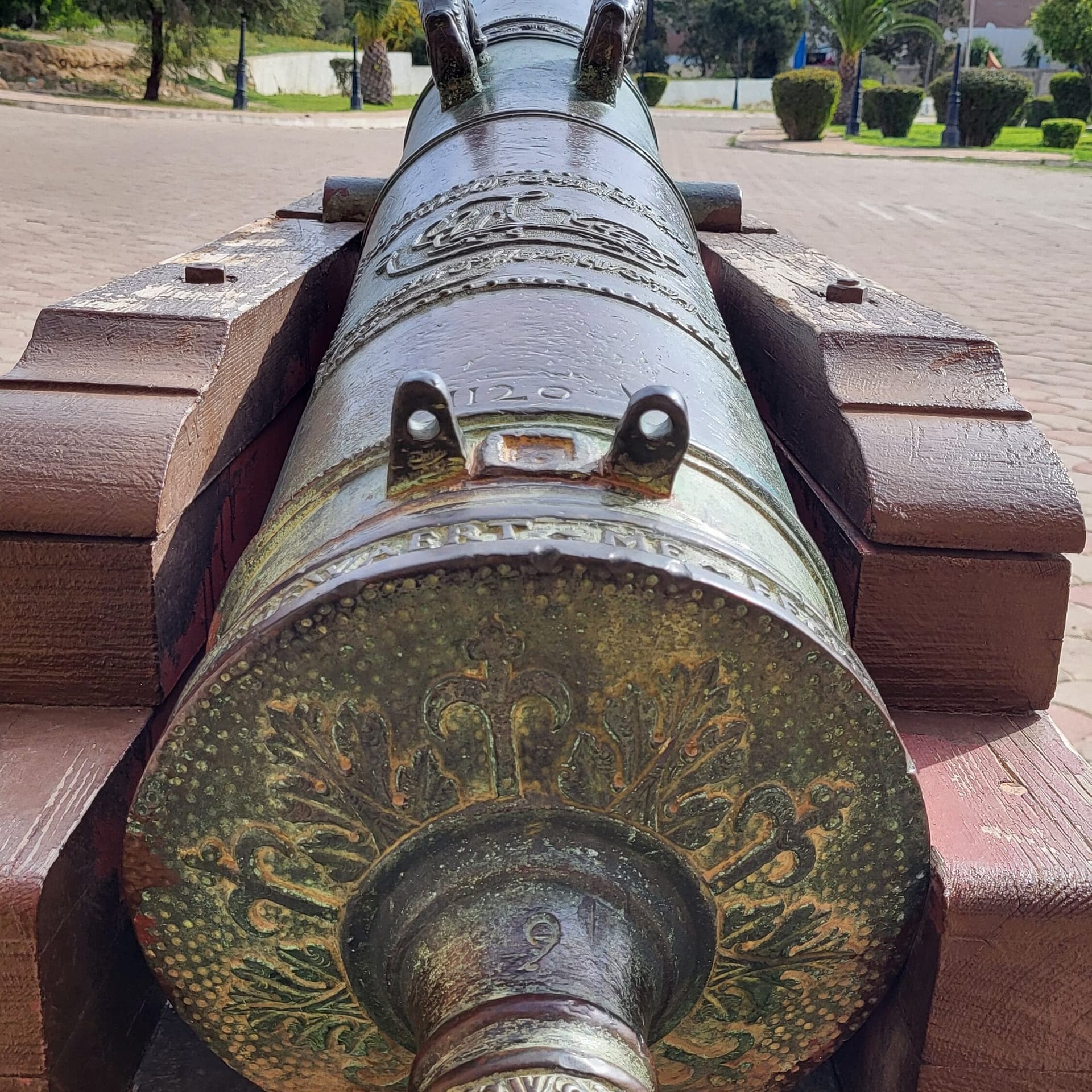
The Portuguese developed Safi as a fortaleza, leaving waterfront and hilltop fortifications — Dar el-Bahar and the Kechla — that still connect the city's defensive history with its identity as a pottery and fishing city.
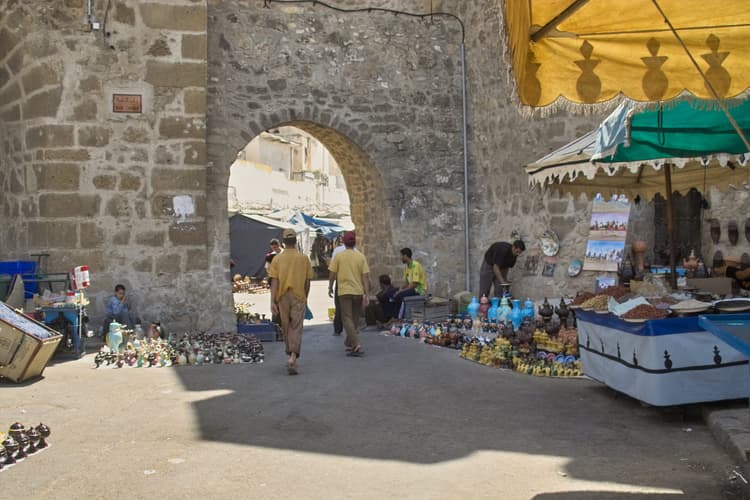
Bab Chaaba
The historic entrance associated with Rue du Socco and the medina, Bab Chaaba remains one of Safi’s best-known old city gates.
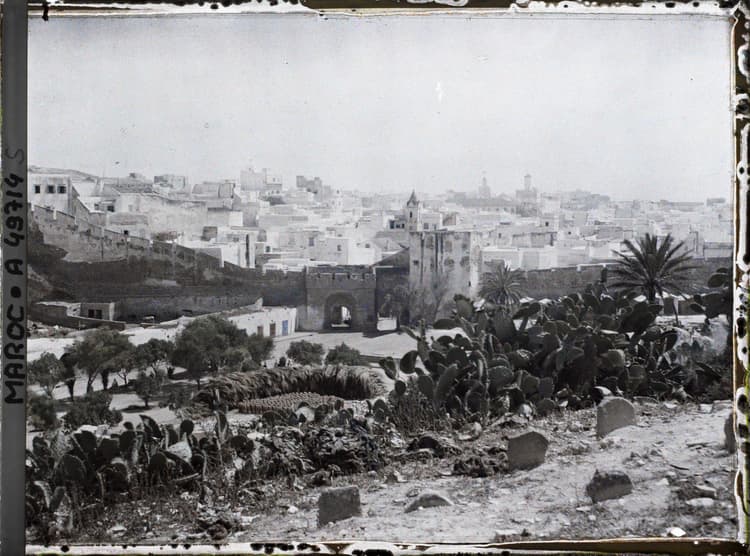
Bab El Maasra
A medina gate referenced on the route through Safi’s old city, linked by visitor sources to Rue du Souk and Bab Chaaba.
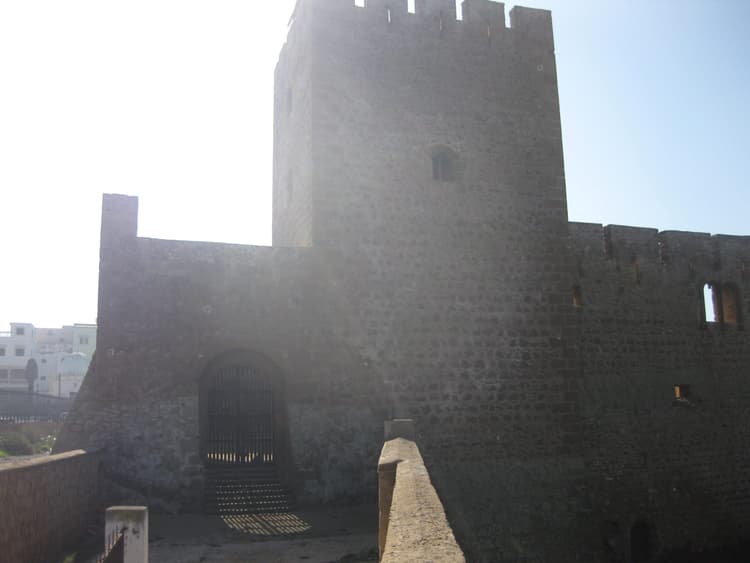
Bab Jdid
One of the medina gates listed in traveler guides to Safi, Bab Jdid reflects the evolving entrances of the old city.
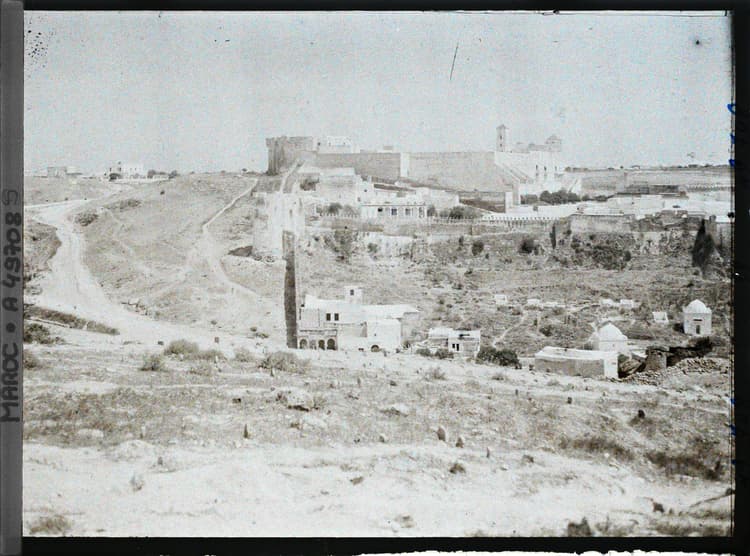
Bab El Kasbah
A gate associated with Safi’s kasbah area, linking the old medina to the fortified landscape around the Kechla.
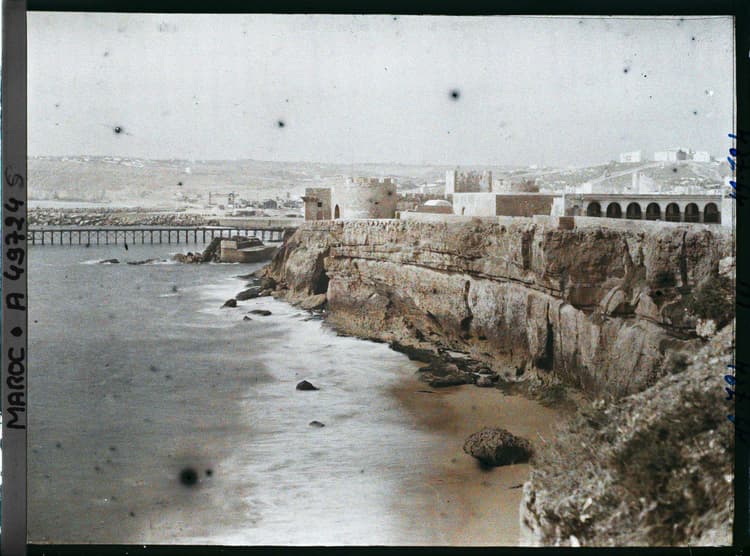
Dar el-Bahar (Sea Castle)
The 16th-century Portuguese sea fortress on Safi’s waterfront, Dar el-Bahar is one of the city’s most photographed symbols.
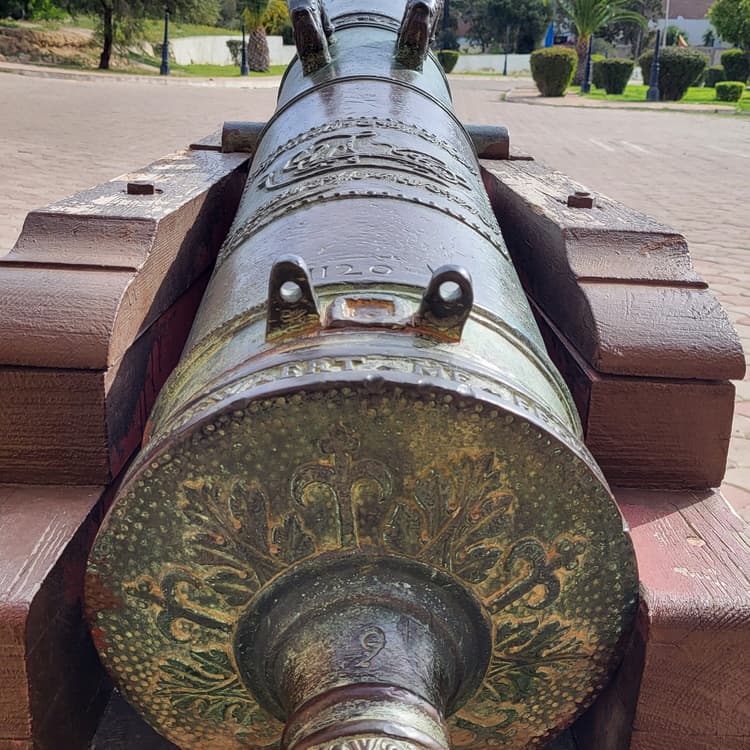
Kechla Fortress & National Ceramics Museum
The Portuguese-built citadel above the medina, now associated with the National Ceramics Museum and views over old Safi.
What Can You Buy in Safi?
Shopping in Safi centers on ceramics, pottery workshops, and fresh fish, rather than the large guild souks of Marrakech.
Visitors move between Rue du Souk, Potters' Hill, and the fish-market area near the port.
The Souk Directory
Rue du Souk / Rue du Socco
The main commercial artery of the old medina, lined with stalls, shops, and local goods between historic gates such as Bab Chaaba.
Colline des Potiers
The main artisan ceramics district, with workshops producing Safi plates, bowls, tagines, vases, and decorative pottery.
Safi Fish Market
A practical seafood market area where travelers may find fresh sardines and fish depending on season and availability.
Pottery Shopping Arcades
Small shops and arcades near the pottery quarter where finished Safi ceramics are displayed and sold as souvenirs.
Medina Market Stalls
Everyday medina shopping around the old city, with household goods, market produce, simple cafés, and informal local commerce.
The "Fair Price" Reference Table (2024 Estimates)
| Item | Local Name | Est. Price (MAD) |
|---|---|---|
| Small Ceramic Bowl | Zlafa | 20 – 80 MAD / $2 – $8 |
| Medium Ceramic Plate | Tbsil | 50 – 150 MAD / $5 – $15 |
| Tagine Pot | Tajine | 80 – 250 MAD / $8 – $25 |
| Large Decorative Platter | Tbsil Kbir | 200+ MAD / $20+ |
| Hand-Painted Vase | Zhariya | Varies |
| Fresh Sardines or Fish | Sardine / Hout | Varies by season |
Which Tours Visit Safi?
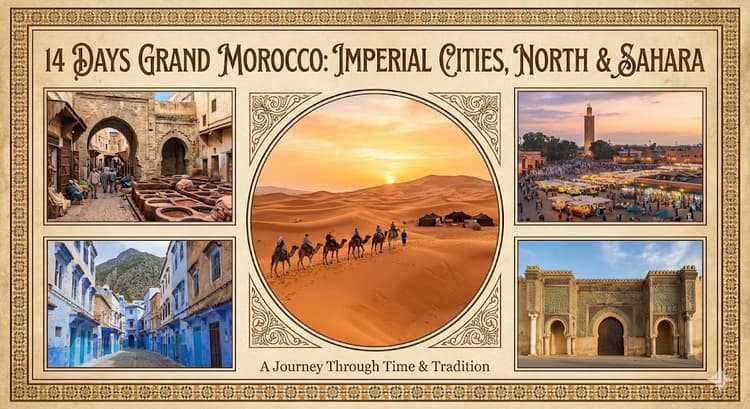
What Are the Best Things to Do in Safi?
Frequently Asked Questions
Yes, with normal Morocco urban precautions. I found no Safi-specific official safety warning in the research, but travelers should watch belongings in markets, use licensed transport, avoid isolated areas late at night, and check current government travel advisories before departure.
Spring and autumn are generally the most comfortable seasons for walking through the medina, pottery quarter, and seafront. Safi’s Atlantic semi-arid climate is mild compared with inland cities, while surf-oriented Morocco sources usually identify October to April as the stronger Atlantic swell season.
For travelers, bottled water is the safest practical choice. I did not find Safi-specific official tap-water verification in the research, and general Morocco travel advice often recommends bottled water and cooked foods to reduce stomach issues.
Safi is known for ceramics and pottery, sardines and fishing-port activity, Portuguese fortifications such as Dar el-Bahar and the Kechla, its walled medina, and nearby Atlantic beaches including Lalla Fatna and Sidi Bouzid.