Essaouira
Atlantic winds, blue boats, UNESCO ramparts, and a relaxed Mogador medina on Morocco’s coast.
What Is Essaouira Known For?
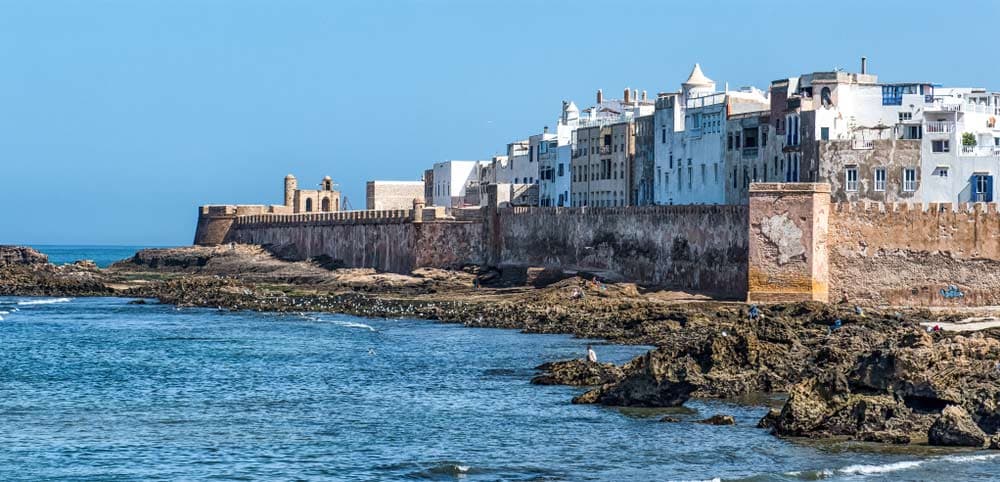
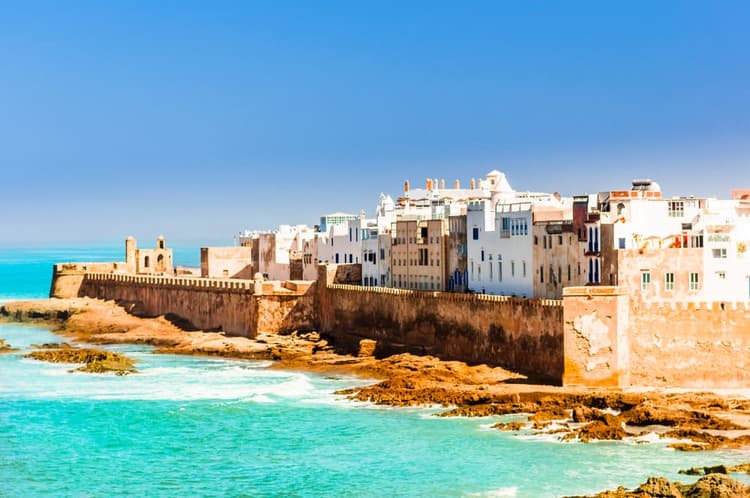
Essaouira is a historic Atlantic port city in Morocco's Marrakech-Safi region, formerly called Mogador until the 1960s. Its UNESCO-listed, white-and-blue medina is a fortified 18th-century town built on the Vauban model, known today for surfing, seafood, and Gnaoua music.
Set on a low peninsula between Safi and Agadir, the city is also shaped by its fortified ramparts, working fishing harbour, and persistent ocean winds, and functions as a relaxed maritime hub for thuya wood crafts and argan products.
31.5125° N, 9.7700° W
Semi-arid Atlantic
Essaouira-Mogador Airport (ESU)
82,962
Moroccan Dirham (MAD)
How Do You Get to Essaouira?
Find the best transport options to reach Essaouira comfortably.
By train and bus
There is no train directly to Essaouira, so the practical rail route combines an ONCF train from Casablanca to Marrakech with a CTM or Supratours bus onward to the coast. This option is comfortable and reliable but requires a transfer, making it best for travelers who prefer rail comfort over a single long coach ride.
By bus
Long-distance coaches provide the most straightforward public transport connection between Casablanca and Essaouira. Journey times vary by operator and stops, but modern buses are generally air-conditioned and economical, making this the best single-ticket option for many travelers.
By car
Driving from Casablanca to Essaouira offers flexibility and avoids station transfers. The journey usually takes most of the day depending on traffic, route, and stops, with the final approach bringing you toward the Atlantic coast and the fortified medina.
By private taxi
A private transfer or shuttle is the most seamless door-to-door choice for families, groups, or travelers with significant luggage. It is considerably more expensive than the bus, but it removes the need to manage transfers and can deliver you directly to your hotel or medina gate.
By rideshare
Rideshare prices for this route vary by driver and aren't fixed. If available, carpooling can be flexible and social, but travelers should confirm luggage space, pickup point, driver reviews, and final drop-off in Essaouira before booking.
What Are Essaouira's Main Districts?
Essaouira is organized into 6 main districts, from The Medina (UNESCO Site) to Diabat (Dunes & Excursions), each with its own character and things to do.
What Is the History Behind Essaouira's Ramparts and Gates?
Essaouira, formerly Mogador, takes its old name from the Phoenician word "Migdol," meaning "small fortress." UNESCO calls its medina an outstanding example of a mid-18th-century fortified town built on the Vauban model.
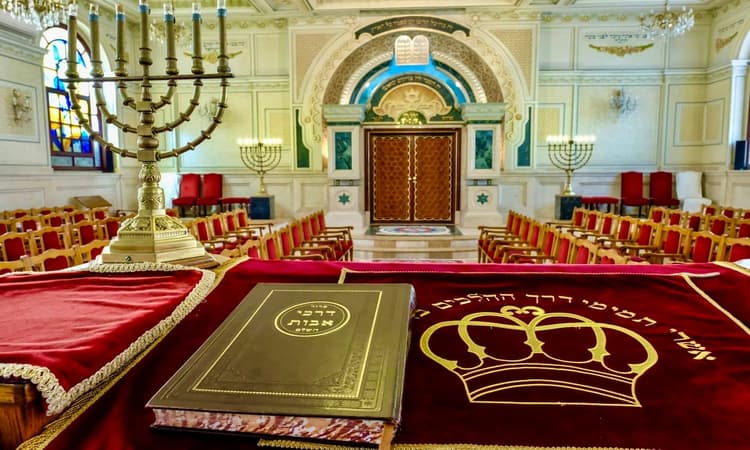
The site saw Phoenician and Carthaginian activity before Sultan Mohammed III rebuilt it in the 1760s as a planned Atlantic trading port; its ramparts, sea gates, harbour defenses, Jewish heritage, and Gnaoua music traditions preserve its identity as a multicultural maritime crossroads.
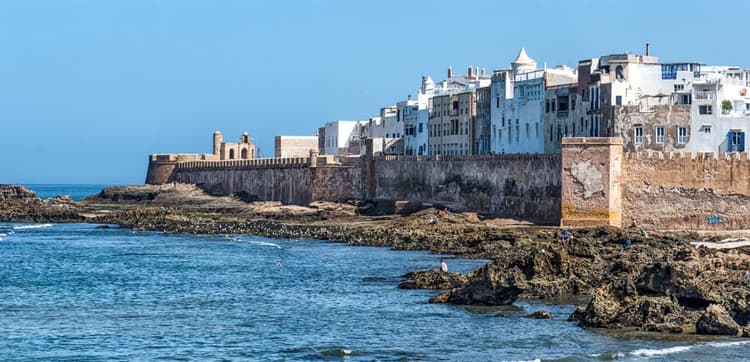
Skala de la Ville
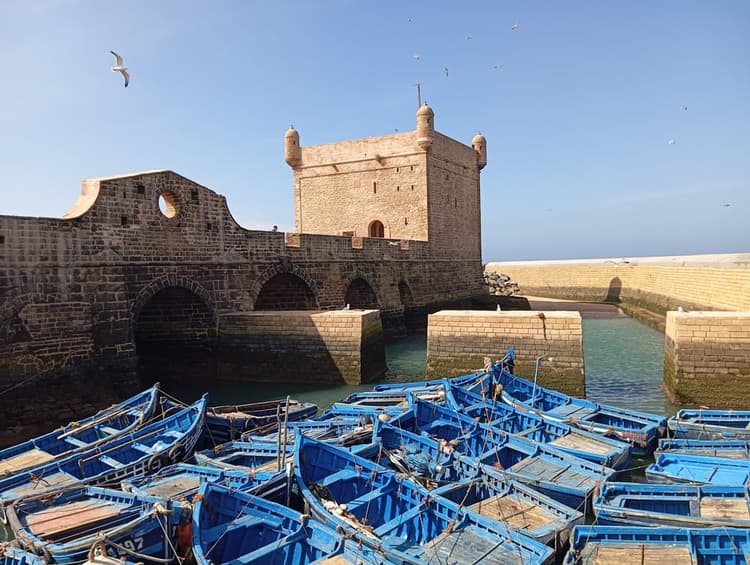
The ocean-facing rampart of the medina, known for cannon-lined walls, Atlantic views, and its defining role in Essaouira’s fortified skyline.
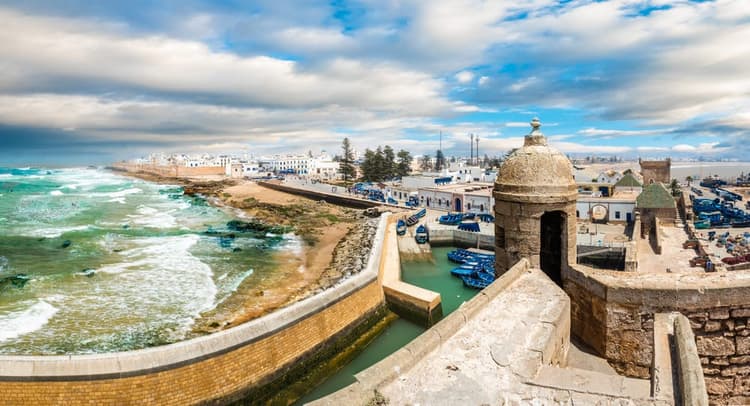
Sqala du Port
The harbour artillery platform beside the fishing port, associated with blue boats, seafood stalls, Bab el-Marsa, and Essaouira’s maritime defenses.
Bab el-Marsa
The historic sea gate by the harbour, marking the passage between the port fortifications and the commercial life of old Mogador.
Bab Sbaa
A main entrance into the medina near the beach and lively square, described in traveller sources as a historic ceremonial gate of Essaouira.
Bab Doukkala
An imposing eighteenth-century fortified gate of the medina enclosure, also associated in sources with the names Bab Sidi Bouzerktoun and Bab Safi.
Bab Marrakech
A Moroccan-style gate of the medina walls, listed among Essaouira’s notable historic entrances together with Bab Doukkala and Bab Sbaa.
What Can You Buy in the Essaouira Souks?
Essaouira's medina is compact and generally calmer for shopping than Marrakech, with dedicated market areas for thuya wood, argan products, spices, jewelry, and textiles.
Use this guide to navigate the main market areas, including galleries and the seafood market near the port.
The Souk Directory
Souk Jdid
Central market area with spices, grains, fish, second-hand goods, jewelry, and everyday local shopping.
Rue Laalouj
A medina street associated with artwork, galleries, and creative boutiques.
Cooperative Marjana
A source-focused stop for argan oil products connected to the region’s famous argan traditions.
Skala du Port Market
Fresh seafood area near the port, best combined with a visit to the blue boats and harbour fortifications.
The "Fair Price" Reference Table (2024 Estimates)
| Item | Local Name | Est. Price (MAD) |
|---|---|---|
| Thuya Wood Box (Small) | Sandouk Thuya | 80 – 200 |
| Thuya Wood Box (Medium) | Sandouk Thuya | 200 – 600 |
| Argan Oil (Cosmetic) | Zite Tajmil | 80 – 150 / 100ml |
| Spice Mix | Ras el Hanout | 15 – 30 / 250g |
| Silver Jewelry (Simple) | Fidda | 50 – 200 |
| Wool Rug | Zarbia | 1,500 – 4,000 |
Which Tours Visit Essaouira?
What Are the Best Things to Do in Essaouira?

Frequently Asked Questions
Essaouira is generally described by travelers as relaxed and manageable, but no official city-specific safety statistic was verified. Use normal Morocco precautions: watch belongings in markets and transport, choose licensed guides or taxis, and avoid isolated beach or dune areas at night.
Spring and autumn are the most comfortable seasons for mild weather and easier sightseeing. Summer is cooler than inland Morocco but often much windier, which is excellent for kitesurfing and windsurfing but less ideal for calm beach lounging.
General Morocco travel guidance suggests tap water is usually fine for washing and brushing teeth, but traveler tolerance varies. Bottled or filtered water is commonly recommended for drinking, especially for short-stay visitors.
The Moroccan Dirham (MAD). Some tourist businesses may quote euros, but dirhams are the normal cash currency. Cards are useful in hotels and restaurants, while cash remains important for souks, taxis, small cafés, hammams, and tips.