Asilah
The Whitewashed Atlantic Medina of Murals and Portuguese Ramparts South of Tangier.
What Is Asilah Known For?
Asilah is a historic coastal city south of Tangier, known for its whitewashed medina, Portuguese ramparts, and mural-covered streets — its origins are debated between Phoenician and Roman accounts, though its visible monuments date to the Portuguese occupation after 1471.
A calm artistic seaside retreat, Asilah connects travelers to northern Morocco's beaches, seafood culture, and the annual Asilah International Cultural Moussem.
35.4652° N, 6.0333° W
Mediterranean-influenced coastal
Tangier Ibn Battouta Airport
36,039
Moroccan Dirham (MAD)
How Do You Get to Asilah?
Find the best transport options to reach Asilah comfortably.
By train
Take the ONCF rail network north toward Asilah, with routing depending on the live timetable and possible changes at major hubs such as Tangier or Kenitra. This is the most practical public-transport choice for many travelers because Asilah has rail access and the route avoids the fatigue of a long coastal drive. Check ONCF-voyages for current schedules and seat availability before departure.
By plane
Asilah does not have its own airport, so flying requires arriving through a nearby hub such as Tangier Ibn Battouta Airport and continuing by road or rail. This option can be useful only when flight timing aligns well, especially for travelers already connecting through Casablanca Airport. Always compare total door-to-door time with the train before booking.
By bus
Long-distance coach travel is plausible through Morocco’s main bus operators, but route-specific fares and durations to Asilah are not consistently published. Use CTM or Supratours official ticketing pages for the travel date, and expect possible connections through larger northern hubs depending on the schedule.
By car
Driving from Casablanca to Asilah follows Morocco’s main northbound road network toward the Tangier region. This option gives flexibility for stops along the Atlantic corridor and is useful for travelers carrying beach gear or planning to continue around northern Morocco. Allow extra time for traffic near major cities and toll stations.
By private taxi
A private taxi or transfer offers a direct door-to-door journey from Casablanca or Casablanca Airport to Asilah. It is the most convenient choice for families, small groups, or late arrivals, though it is normally more expensive than train travel. Confirm the total fare, luggage allowance, and pickup location before departure.
By rideshare
Rideshare options may appear between major Moroccan cities and the Tangier-Asilah corridor, depending on the day. This can be economical and social, but availability is less predictable than the train. Confirm the exact drop-off point in Asilah and whether luggage space is available before booking.
What Are Asilah's Main Districts?
Asilah is organized into 6 main districts, from The Medina (Old Town) to Briech and Sidi Mghait Beaches, each with its own character and things to do.
What Is the History Behind Asilah's Portuguese Ramparts?
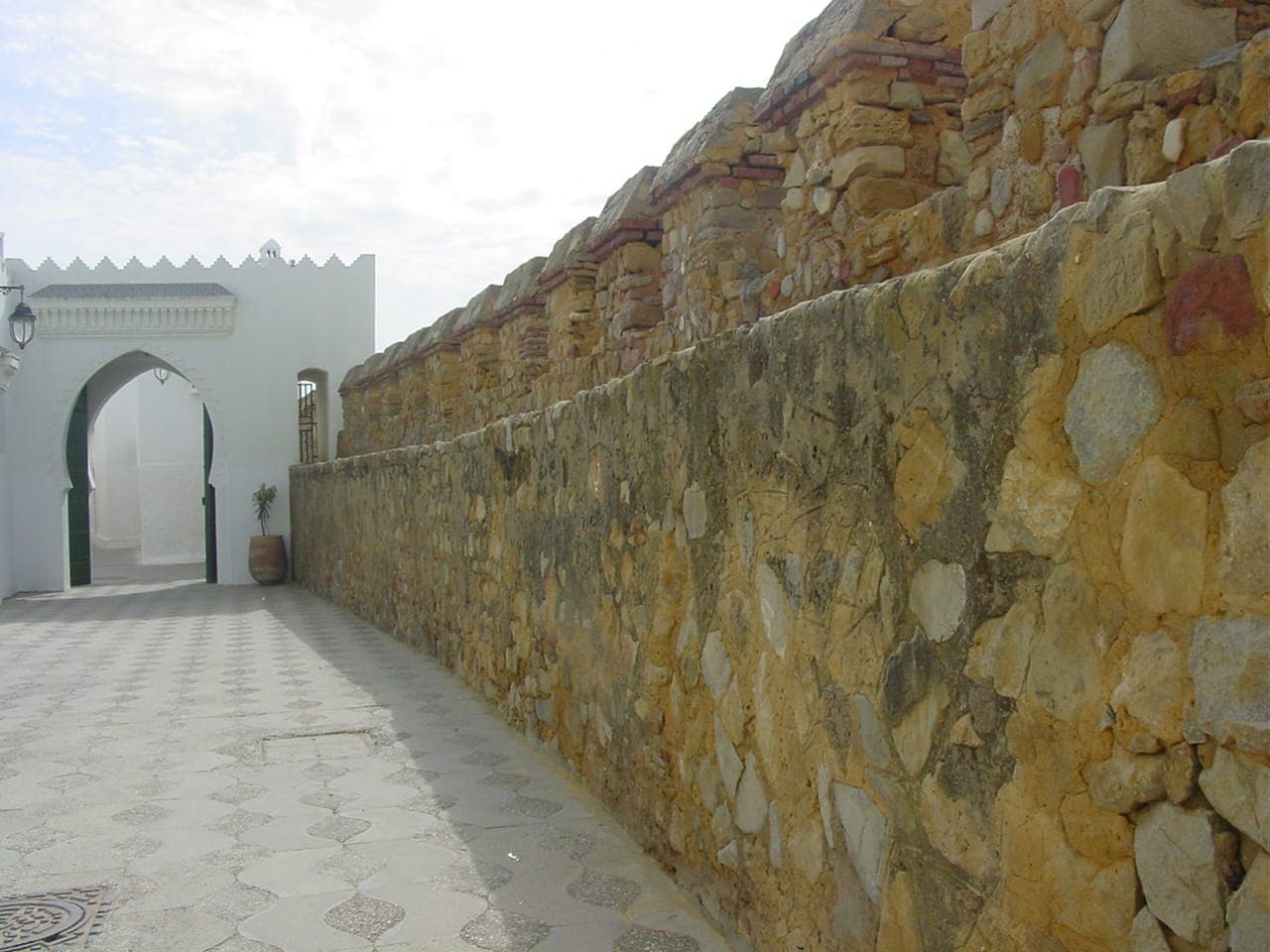
Asilah's origins are debated — some sources attribute the settlement to the Phoenicians, others to the Roman period. Its fortified Atlantic medina and Portuguese ramparts date to after the Portuguese captured the town in 1471.
Reinforced during reconstruction in the early 16th century, its surviving gates, towers, palace, and murals make it a compact open-air record of coastal defense and artistic renewal.
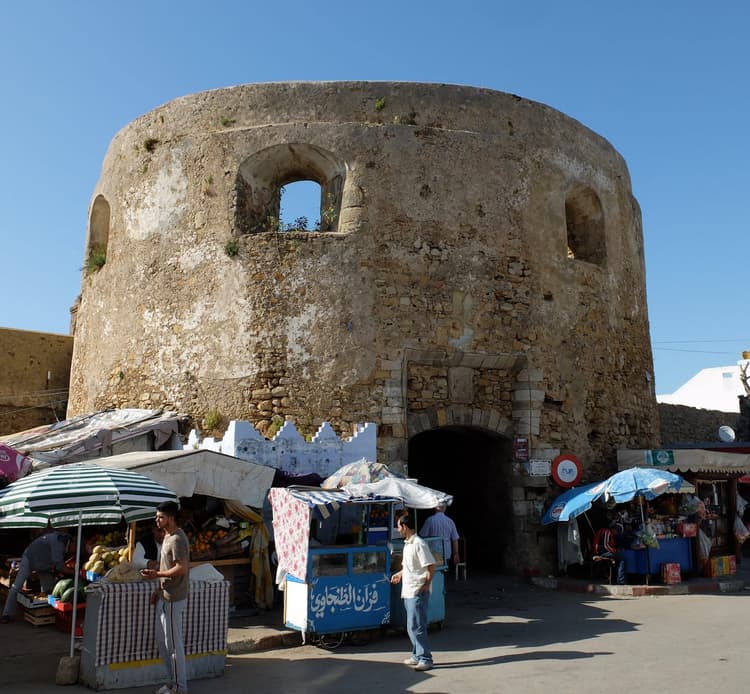
Bab Homar
The Old Gate on the southern side of the fortified medina, commonly identified as one of Asilah’s key historic entrances through the Portuguese walls.
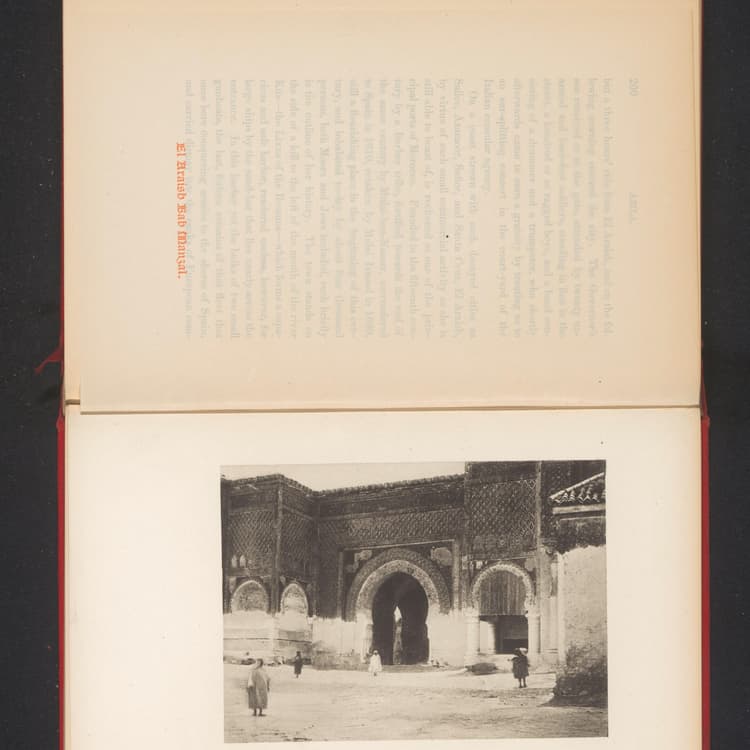
Bab el Kasbah
A principal eastern gate near the former kasbah or citadel area, linking Asilah’s defensive walls with its historic fortified core.
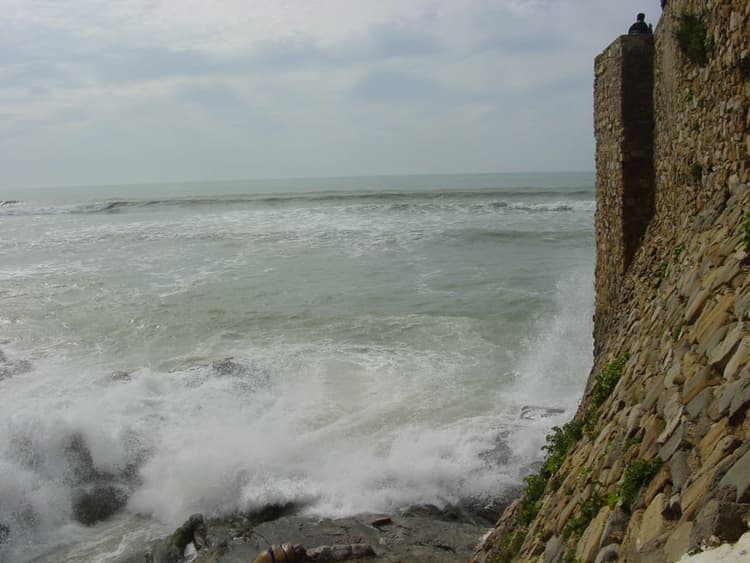
Bab el Bahar
The Sea Gate beside the ocean-facing side of the medina, associated with Borj Al Kamra and the town’s maritime connection.
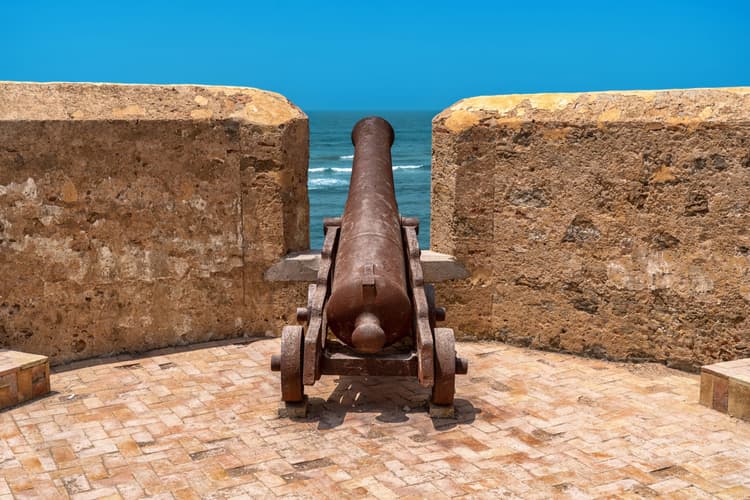
Borj Al Kamra
A square defensive tower near Bab el Bahar, dated to the Portuguese reconstruction of Asilah’s walls and used for surveillance and storage.
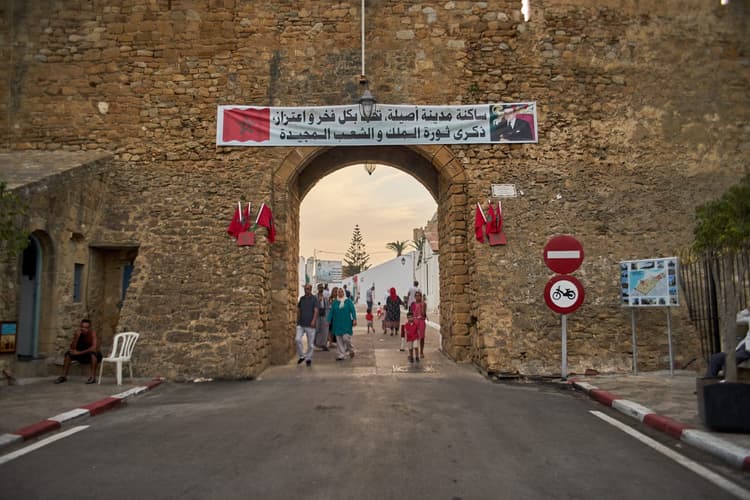
Raissouni Palace
A historic palace associated with Pasha Raissouni, now described as a cultural landmark hosting exhibitions, concerts, and local events.
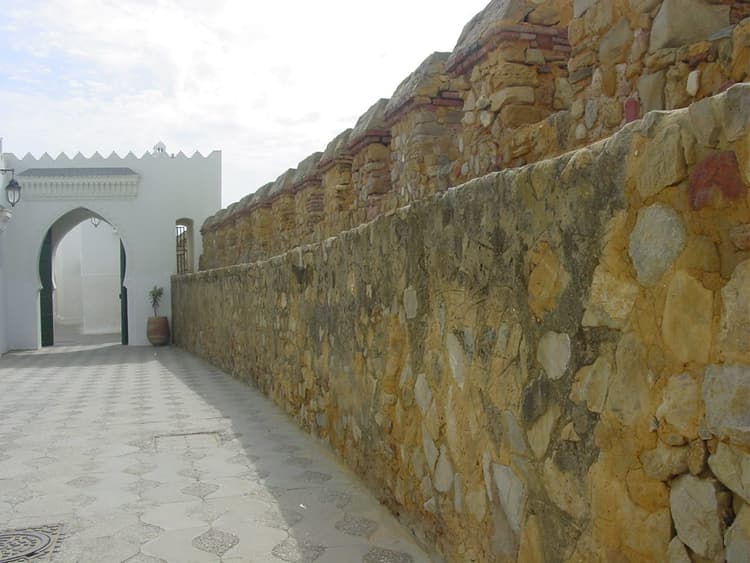
Krikia Viewpoint
A celebrated ramparts viewpoint over the Atlantic, especially popular at sunset for ocean views, photography, and relaxed evening walks.
What Can You Buy in Asilah?
Asilah's shopping centers on medina boutiques, small souks, art galleries, and the weekly Thursday market.
Look for handmade crafts, rugs, ceramics, leather goods, lanterns, and silver jewelry, with moderate bargaining expected.
The Souk Directory
Thursday Souk
Weekly market with fresh produce, local farmers, artisans, and handmade goods.
Medina Boutiques
Small shops inside the old town selling pottery, leather goods, souvenirs, textiles, and local crafts.
Art Galleries
Galleries and studios connected to Asilah’s artistic identity, murals, festival culture, and local paintings.
Handicraft Shops
Craft-focused stalls and shops offering rugs, colorful ceramics, lanterns, jewelry, and handmade decorative items.
Seafront Cafés
Casual coastal cafés and food stops around the medina and seafront, useful for mint tea, seafood, and relaxed breaks.
The "Fair Price" Reference Table (2024 Estimates)
| Item | Local Name | Est. Price (MAD) |
|---|---|---|
| Handmade Rugs | Local textiles | Varies |
| Colorful Ceramics | Pottery | Varies |
| Leather Goods | Leather crafts | Varies |
| Silver Jewelry | Jewelry | Varies |
| Paintings and Local Art | Artwork | Varies |
| Mint Tea | Atay | 15 MAD+ |
Which Tours Visit Asilah?
What Are the Best Things to Do in Asilah?

Frequently Asked Questions
Asilah is generally described as a compact, calm coastal town near Tangier, popular for its medina, murals, ramparts, beaches, and cultural festival. Use normal Morocco travel precautions, keep valuables secure in busy areas, and check current official travel advice before your trip.
Late spring to early autumn is best for beaches and the town’s artistic atmosphere, while summer is warm and lively. Winter is calmer, cooler, and more photogenic, with a Mediterranean-influenced coastal climate of mild wet winters and warm to hot dry summers.
There is no Asilah-specific tap-water guidance published. Conservative travelers should use bottled or filtered water, especially for short stays, and ask their accommodation for the most current local advice.
The local currency is the Moroccan Dirham (MAD). Carry cash for small purchases in markets, cafés, taxis, and beach areas, and expect moderate bargaining when shopping for souvenirs, pottery, leather goods, rugs, jewelry, or handmade crafts.