Oil Presses and Baths
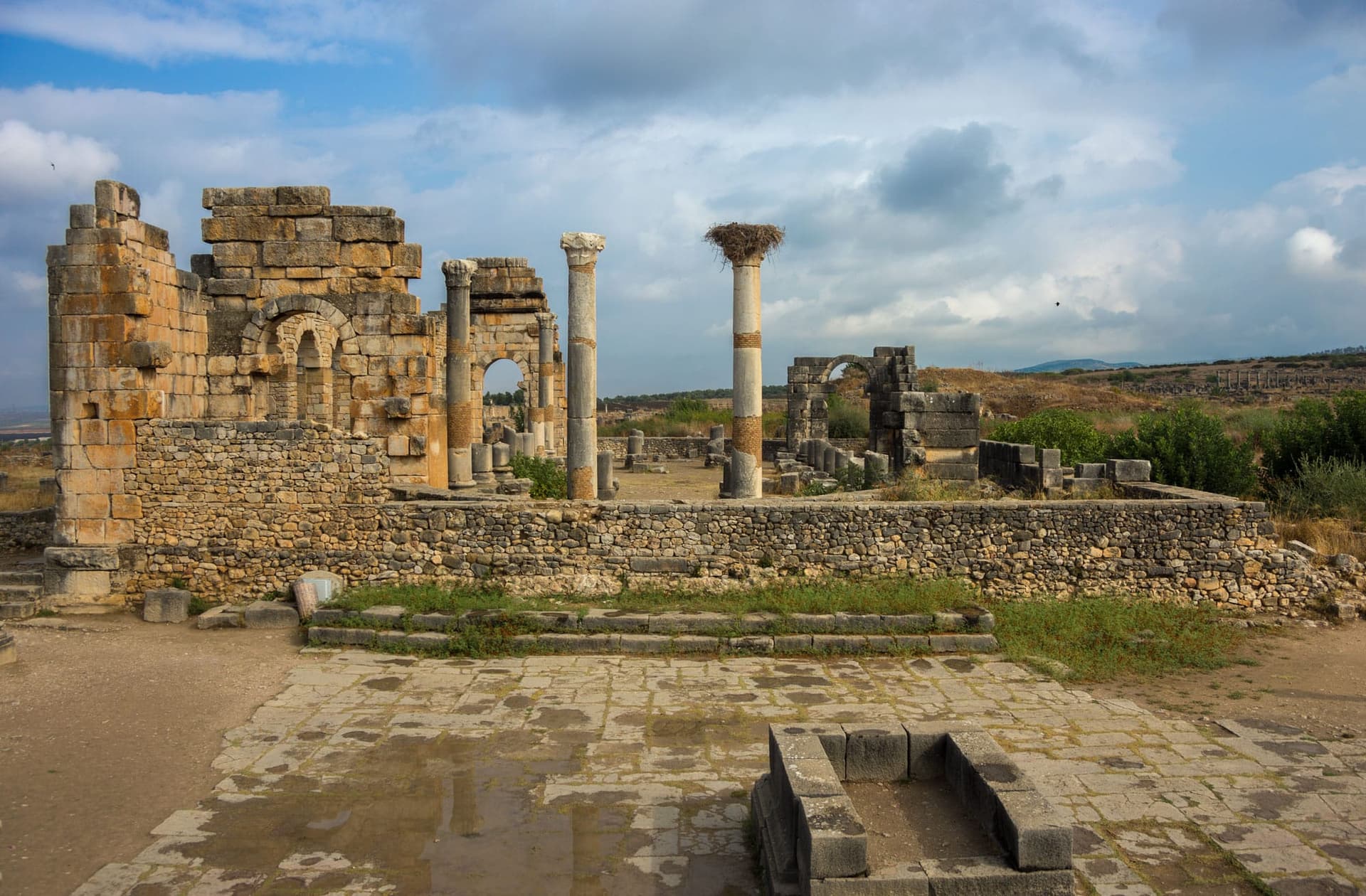
The oil-presses and baths zone highlights the practical systems that sustained Volubilis as a prosperous city. The official site map notes that 58 oil-pressing complexes are known from Volubilis, a striking reminder of the agricultural wealth of the surrounding region. Olive production was central to the local economy, and the remains of pressing installations show how the landscape beyond the walls was connected to urban prosperity. The bath complexes add another dimension, reflecting Roman habits of bathing, social life, and public infrastructure. Together, these remains make the city feel functional rather than purely ceremonial. Visitors who look beyond the famous arch and mosaics will find that this area explains how Volubilis worked: how food, oil, water, hygiene, and domestic routines supported the public monuments and elite houses. The zone is especially rewarding with a guide, because many utilitarian structures are less visually obvious than columns or mosaic floors. It also offers a more grounded understanding of Roman North Africa, where architecture, agriculture, and daily comfort were closely linked. Travelers interested in ancient technology, household life, and the economy of archaeological sites should include this section in their route rather than treating it as a secondary stop.
Gallery