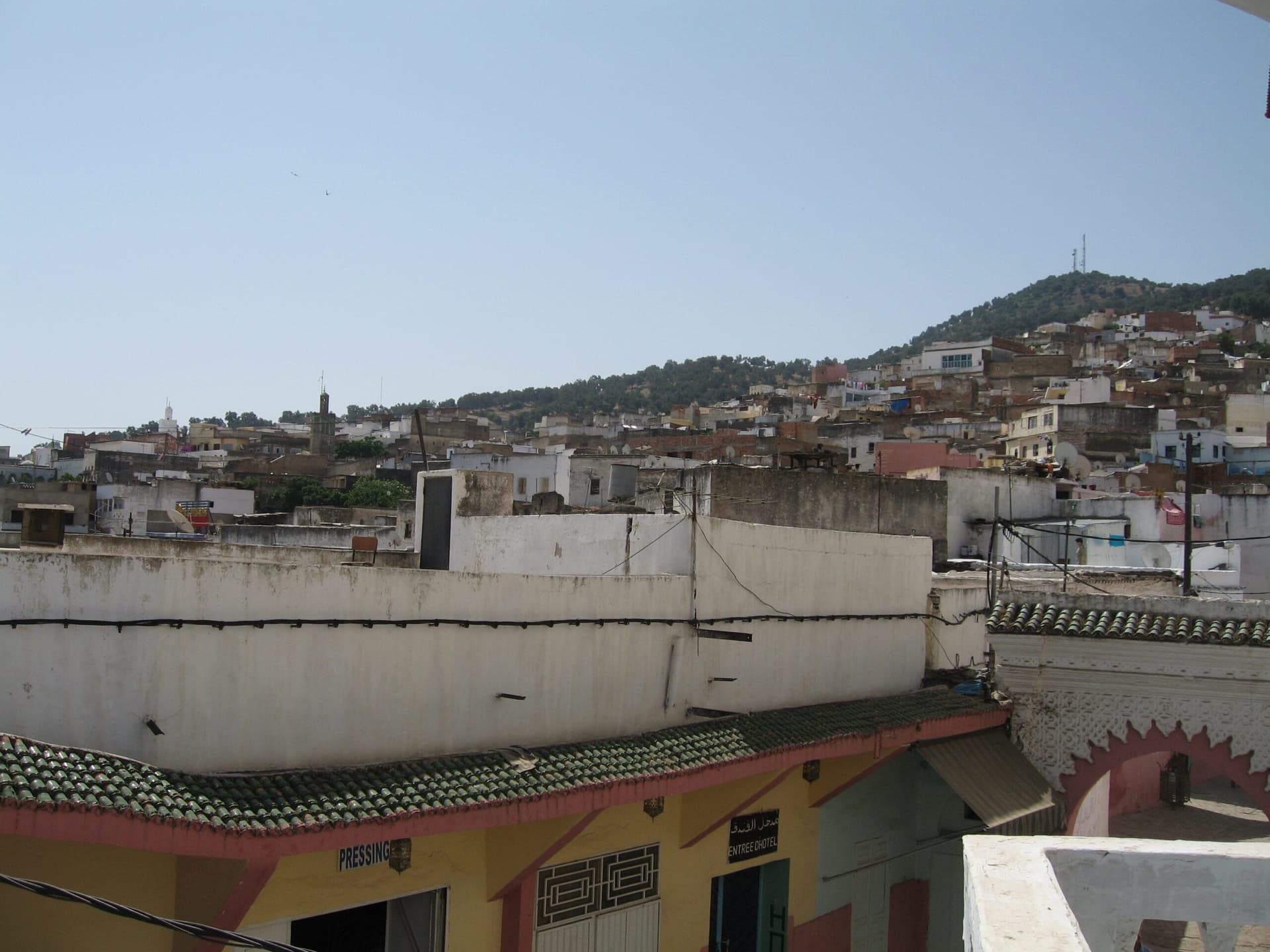
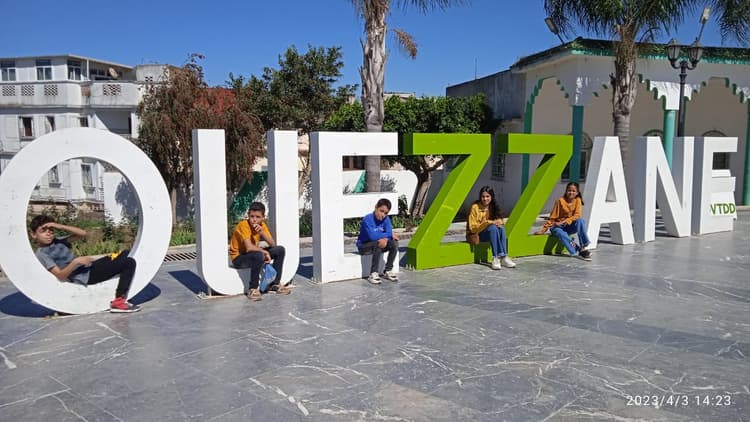
Ouazzane
Morocco’s green hillside spiritual city on the edge of the Rif.
What Is Ouazzane Known For?
Ouazzane is a hillside city on the southwestern edge of the Rif Mountains, at about 325 meters elevation, known as Dar Dmana, the House of Safety, for its Sufi heritage.
Home to the zaouia and mausoleum of Moulay Abdallah Cherif, the city's green medina and olive groves sit between the Rif/Jebala countryside and Morocco's great northern routes.
34.797° N, 5.582° W
Arid summers, wet winters
Tetouan Airport (nearest regional airport)
57,737
Moroccan Dirham (MAD)
How Do You Get to Ouazzane?
Find the best transport options to reach Ouazzane comfortably.
By train and bus
Ouazzane has no railway station. Take an ONCF train from Casablanca to Ksar El Kebir on the Tangier line (about 3h to 3h 30m), then a grand taxi for the last 60 km to Ouazzane (about 1h). It is comfortable, but the direct bus is simpler.
By plane and road transfer
Ouazzane has no airport, and the drive from Casablanca takes only about 3h 30m, so flying rarely makes sense. If you are already flying into Fes or Tangier, Ouazzane is about 2h to 2h 30m by road from either airport.
By Bus
Buses are the main public-transport option between Casablanca and Ouazzane, taking about five hours with CTM and other companies. It is the most practical budget choice for travelers without a car.
By Car
Driving from Casablanca takes you directly to Ouazzane in about 3h 30m to 4h, on the motorway north toward Kenitra and then inland roads. It is a practical choice for travelers combining Ouazzane with Rabat, Fes or Chefchaouen.
By private taxi
A private transfer is the smoothest door-to-door option from Casablanca. Transfer listings from Casablanca Port to Ouazzane show a journey of about 214 minutes, with quoted fares starting around 139 EUR. Confirm the full price, pickup point, and luggage allowance before booking.
By rideshare
Rideshare can be a flexible middle ground if a driver is already heading toward Ouazzane or nearby northern routes. Availability depends heavily on the day and pickup point, so it should not be treated as guaranteed. Always confirm luggage space, exact destination, and timing in advance.
What Are Ouazzane's Main Districts?
Ouazzane is organized into 6 main districts, from The Medina (Old Town) to Swika (Traditional Market Area), each with its own character and things to do.
What Is the History Behind Ouazzane's Spiritual Heritage?
Ouazzane's identity is inseparable from its reputation as a Moroccan spiritual and Sufi center, associated with Moulay Abdallah Cherif, founder of the Ouazzaniyya, or Zaouia of Ouazzane.
Its heritage also includes Muslim and Jewish pilgrimage traditions, old medina quarters, and craft practices linked with weaving and wool.
Zaouia Dar Dmana
The main spiritual complex associated with Moulay Abdallah Cherif and the Ouazzaniyya tradition, anchoring Ouazzane’s identity as Dar Dmana.
Mausoleum of Moulay Abdallah Cherif
The tomb associated with the saint Moulay Abdallah Cherif, whose legacy made Ouazzane a major place of Muslim pilgrimage and Sufi devotion.
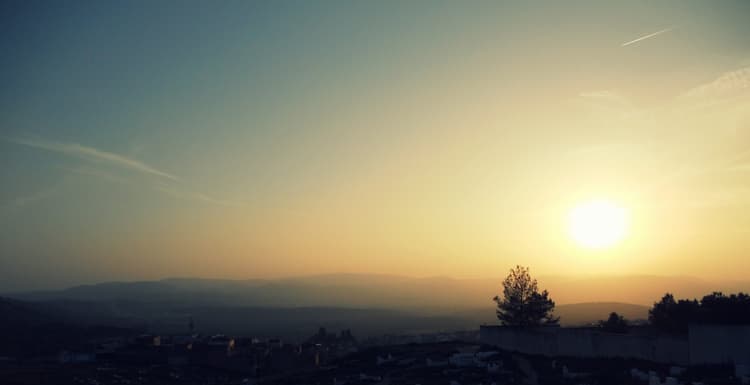
Dar-Sqaf Old Quarter
The oldest medina quarter and a foundational heritage area associated with the early settlement of Moulay Abdallah Cherif in Ouazzane.
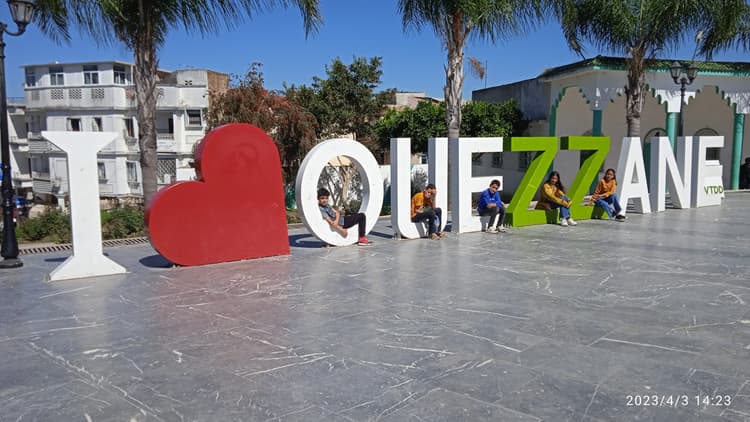
Sidi Abdellah Ben Cherif Library
A heritage library linked with Sidi Abdellah Ben Cherif, noted for a collection of works on theology, philosophy, humanities, astronomy, and Sufism.
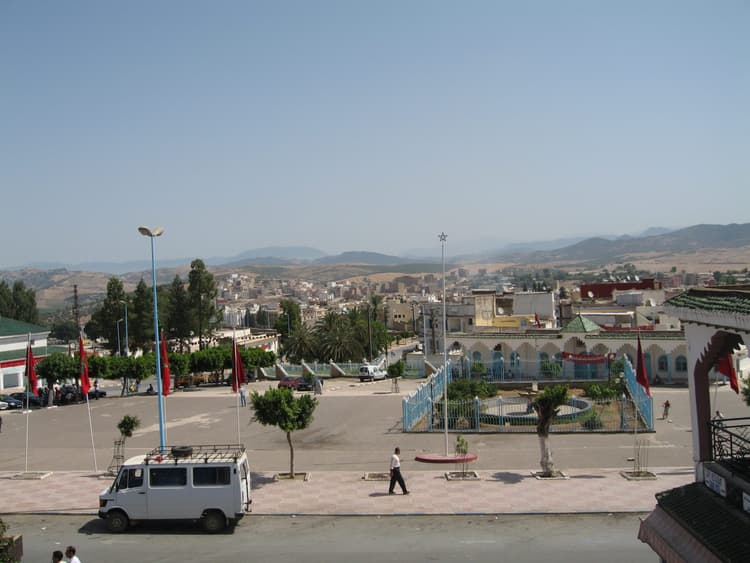
Bab Al-Jumu'ah
A locally referenced 17th-century monument, Bab Al-Jumu'ah is the only named historical gate documented for Ouazzane.
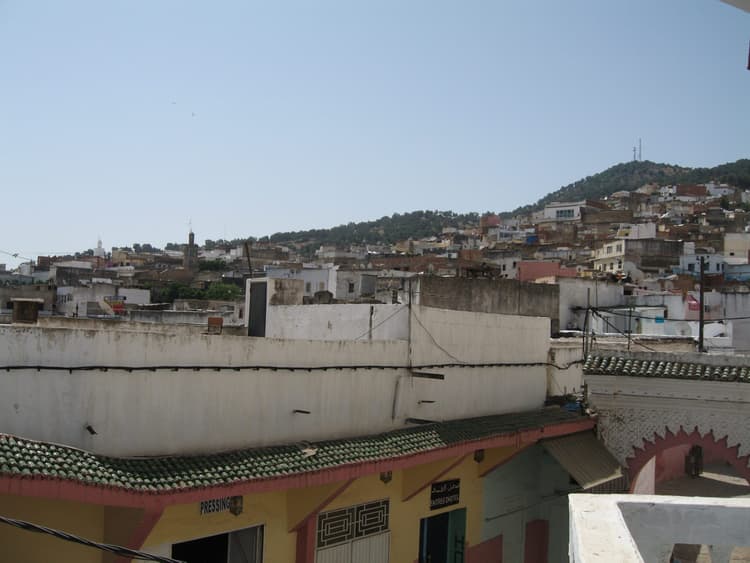
Souk Al-Hayek
A traditional textile market associated with the haïk and Ouazzane’s weaving heritage, linking commerce with the city’s older clothing culture.
What Can You Buy in Ouazzane?
Ouazzane's markets are known for traditional crafts and local produce rather than large tourist souks.
Look for olive oil, olives, honey, herbs, wool textiles, and djellabas in the medina's compact commercial areas.
The Souk Directory
Souk Al-Hayek
Traditional weaving and clothing market area linked with the haïk and Ouazzane’s textile heritage.
Swika
Compact local market area for produce, herbs, olives, household goods, and everyday trade.
Medina Markets
Medina market lanes where residents shop for food, practical items, and small handicrafts.
Wool and Djellaba Shops
Local textile and wool traditions associated with djellabas, woven goods, and practical clothing.
Olive Oil and Produce Stalls
Produce sellers and nearby rural supply chains connected with Ouazzane’s olive groves and olive oil culture.
The "Fair Price" Reference Table (2024 Estimates)
| Item | Local Name | Est. Price (MAD) |
|---|---|---|
| Olive Oil | Zite Zitoun | $8.50–$9.00 / Liter |
| Simple Djellaba | Djellaba | $20–$40 |
| Embroidered Djellaba | Djellaba Mtarza | $60–$200 |
| Traditional Haïk | Haïk Ouazzani | $40–$120 |
| Local Honey | Assal | $10–$25 / kg |
| Olives and Herbs | Zeitoun wa Aachab | $2–$5 / kg |
Which Tours Visit Ouazzane?
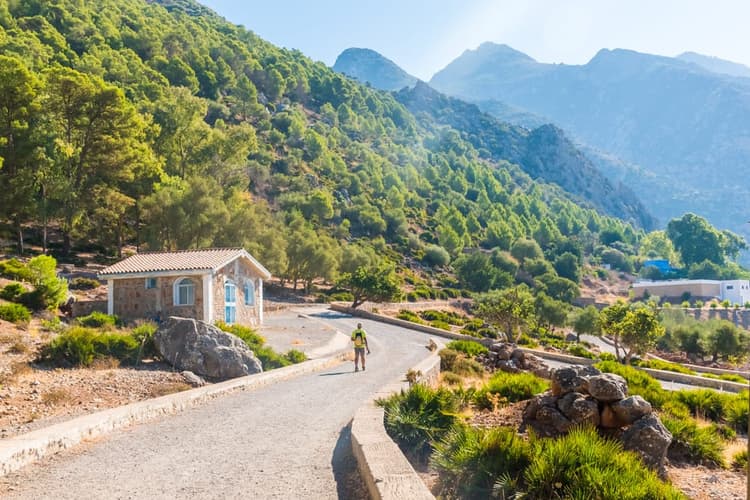
What Are the Best Things to Do in Ouazzane?

Frequently Asked Questions
Ouazzane is generally presented as a quiet, off-the-beaten-path Moroccan city rather than a high-risk destination. Use standard Morocco travel precautions: watch valuables in markets, avoid isolated areas late at night, and follow current country-level travel advice before departure.
Spring and autumn are the most comfortable seasons for travel in Morocco, with milder temperatures and easier walking conditions. For Ouazzane specifically, olive harvest season from November to January can also be rewarding for visitors interested in olive oil and local production.
Conservative travel guidance in Morocco is to use bottled or treated water, especially if you have a sensitive stomach. Tap water in Ouazzane is treated, but a filter bottle or sealed bottled water is the safer choice for visitors.
The local currency is the Moroccan Dirham (MAD). Carry cash for small markets, cafés, taxis, and craft purchases, because card acceptance can be limited in smaller towns and traditional souks.