Dakhla
The Atlantic Lagoon City Between Sahara Sands and Ocean Winds.
What Is Dakhla Known For?
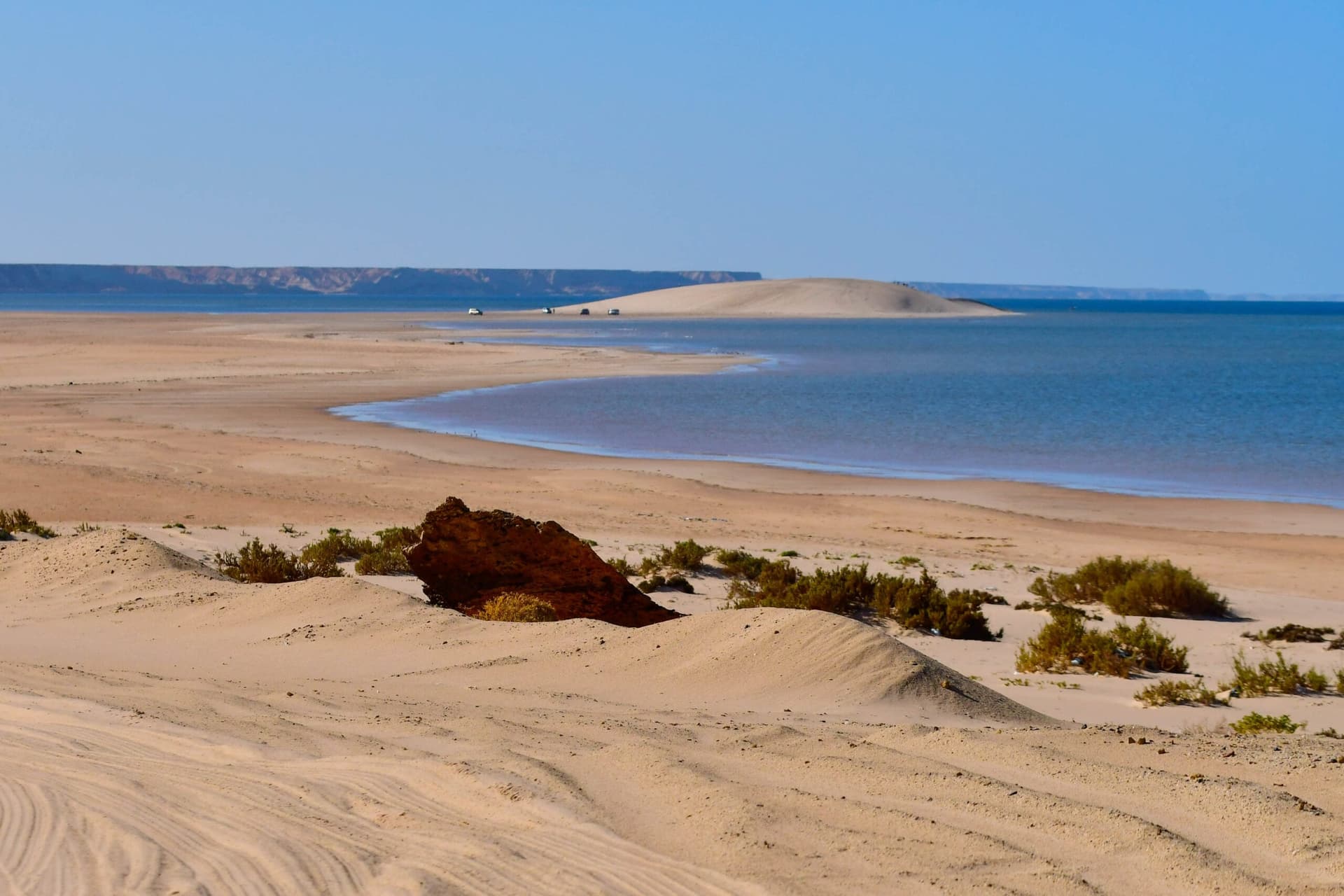
Dakhla is a coastal city on a narrow peninsula in southern Morocco, where the Atlantic meets the Sahara — formerly the Spanish colonial outpost Villa Cisneros, it's now one of Morocco's most distinctive nature and watersport destinations.
Known for its vast sheltered lagoon, strong trade winds, oyster farms, and desert excursions to the White Dune and Imlili, Dakhla is the main gateway to southern lagoon tourism, kitesurf camps, and Dragon Island boat trips.
23.7° N, 15.95° W
Mild arid coastal
Dakhla Airport (VIL)
161,723
Moroccan Dirham (MAD)
How Do You Get to Dakhla?
Find the best transport options to reach Dakhla comfortably.
By plane
The most practical route from Casablanca is the direct flight from Mohammed V Airport to Dakhla Airport. Royal Air Maroc operates this domestic connection, and flight-route sources list the journey at about 2h20 over roughly 1,345 kilometers. Airfares are dynamic, with search snippets showing examples from about $133 one way, so travelers should confirm current prices directly before booking.
By train and bus connection
There is no rail line south of Marrakech, so any rail-affiliated itinerary ends there and continues by road. In practice the fastest overland public-transport option is CTM's Casablanca-Agadir coach (roughly $21-$35, about 7 hours) connecting onto the long Agadir-Dakhla coach leg (roughly $64-$69, 19-21 hours) - a combined journey of about 26-29 hours for roughly $85-$105. Flying is significantly faster for this distance; see the plane option below.
By bus
Coach travel is possible in stages, normally routing south via Agadir. CTM's Casablanca-Agadir leg runs about $21-$35 over roughly 7 hours, connecting onto the Agadir-Dakhla coach (about $64-$69, 19-21 hours) for a combined trip of roughly 26-29 hours and $85-$105. Book the Agadir-Dakhla leg with CTM or Supratours directly, since it's a long-haul route worth confirming seat availability on.
By car
Driving from Casablanca to Dakhla is a major Atlantic and Saharan road journey requiring careful planning, rest stops, fuel awareness, and confidence with long distances. It is best suited to experienced self-drive travelers who want flexibility and are comfortable breaking the route across multiple stages rather than treating it as a simple transfer.
By private taxi
A private transfer for the full distance would be a premium, specialized arrangement rather than a standard city-to-city taxi ride. It may suit expeditions, production crews, or travelers requiring door-to-door service, but prices should be requested directly from licensed operators and confirmed in writing before departure.
By rideshare
Rideshare or carpool options may appear for segments of the route, but they should not be relied on as the primary way to reach Dakhla from Casablanca. If using this method, confirm driver reviews, luggage space, route, overnight plans, and the exact drop-off point before accepting the ride.
What Are Dakhla's Main Districts?
Dakhla is organized into 6 main districts, from Dakhla City Centre to PK25 Lagoon Zone, each with its own character and things to do.
What Is the History Behind Dakhla's Spanish-Era Structures?
Dakhla was formerly known as Villa Cisneros, a Spanish colonial outpost founded in the late 19th century in the Río de Oro area, later serving as a military and administrative station.
It was also a Toulouse–Dakar airmail stopover in the 1920s. Unlike Morocco's imperial cities, Dakhla has no verified historic gates or medina ramparts — its history is read through Spanish-era structures and natural landmarks instead.
Fort of Villa Cisneros
The Spanish-era fortification associated with Villa Cisneros, the former name of Dakhla, reflects the city’s colonial history and strategic coastal position.
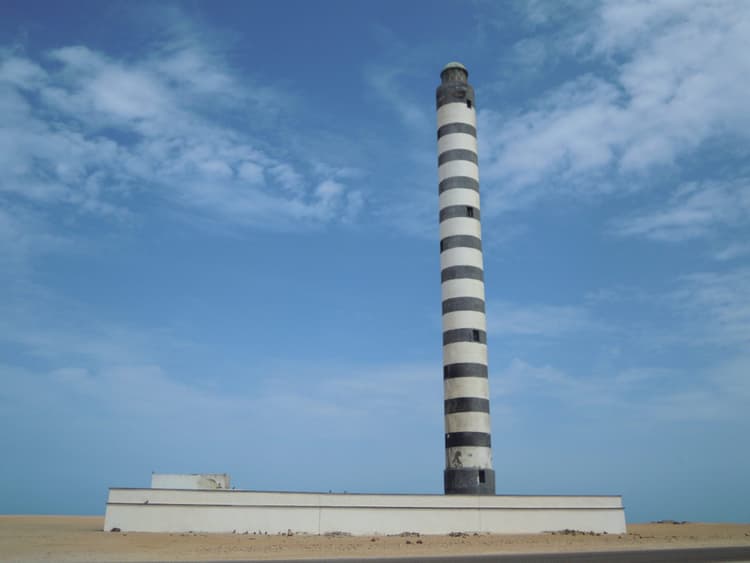
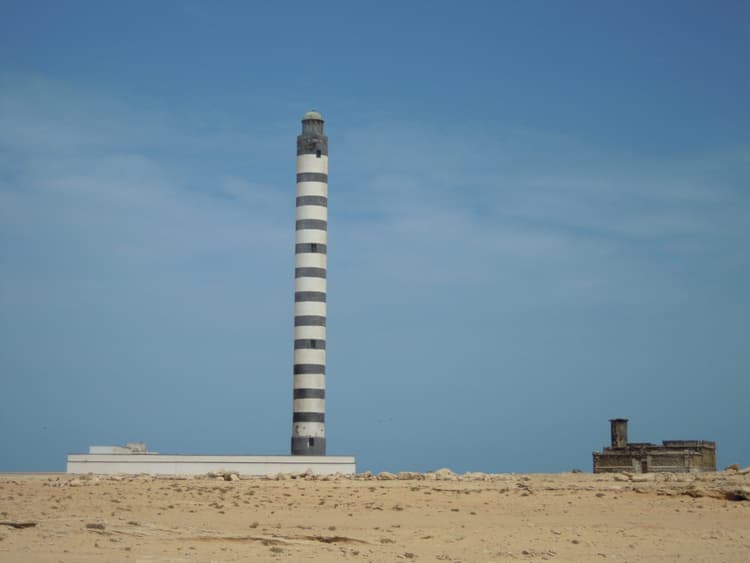
Dakhla Lighthouse
A Spanish-era lighthouse associated with the fort, reported as a ten-meter cylindrical stone tower built in 1916 near Dakhla.
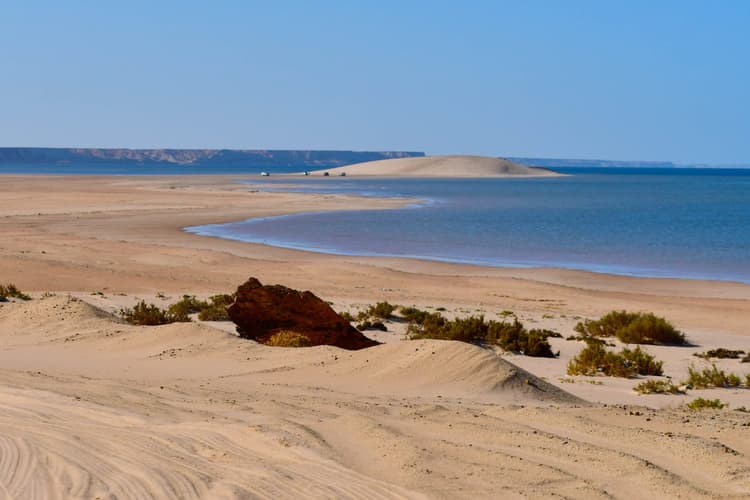
Dakhla Lagoon
The vast sheltered lagoon that defines Dakhla, known for kitesurfing, windsurfing, diving, boat trips, and calm Atlantic scenery.
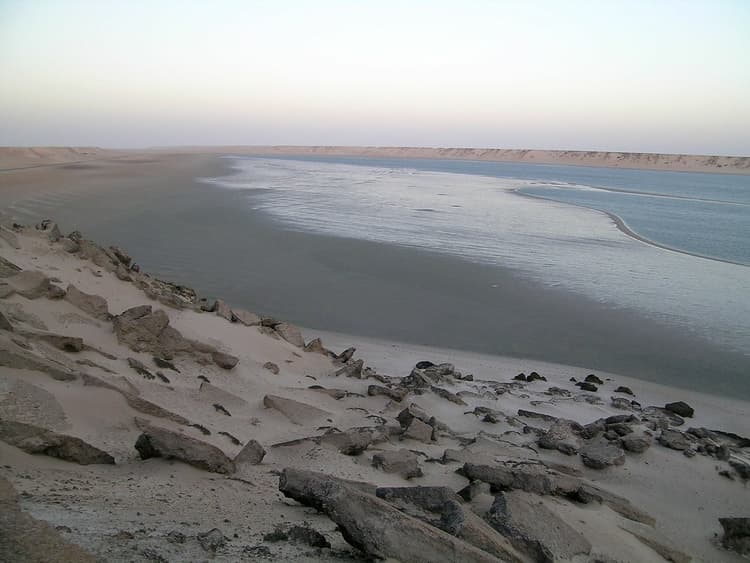
Dragon Island
A landmark island in the lagoon, reached by boat excursions and associated with shallow waters, birdlife, and relaxed nature trips.
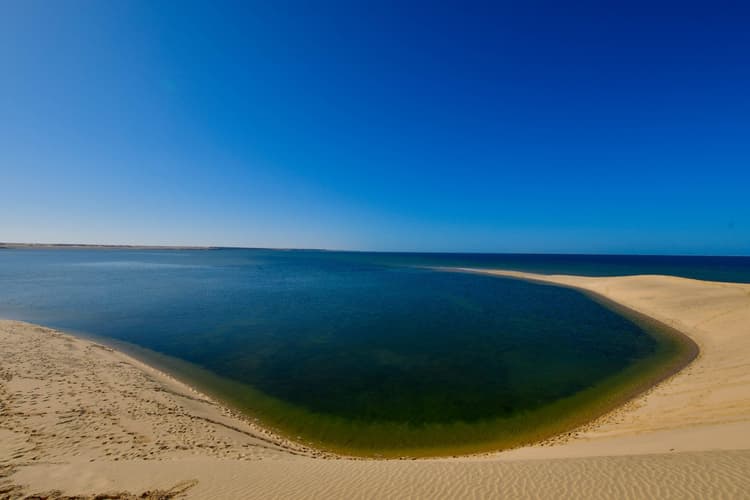
White Dune
A dramatic desert landmark outside the city, commonly visited on 4x4 excursions that combine Sahara scenery with lagoon and Atlantic views.
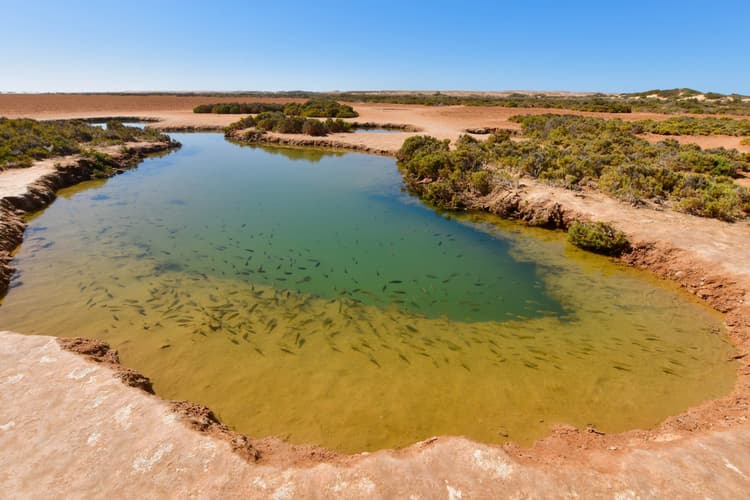
Imlili
A desert and nature excursion area often paired with the White Dune, Porto Rico beach, hot springs, and nomadic-culture stops.
Where Can You Shop in Dakhla?
Dakhla's shopping scene is smaller and more local than the great imperial souks, focused on daily produce, seafood, spices, and practical goods.
The lagoon economy adds oysters, watersport services, and excursion bookings to the visitor experience.
The Souk Directory
Dakhla Small Souk
A compact local market area for everyday goods, produce, spices, and small purchases rather than large-scale tourist shopping.
Marché Municipal El Massira
A practical municipal market area referenced as away from the usual tourist zones and useful for observing local shopping life.
Fish Market
The best expression of Dakhla’s Atlantic identity, with seafood forming a major local shopping and dining theme.
Oyster Farm Stops
Lagoon-side oyster producers and restaurants, including addresses such as TalhaMar, highlight Dakhla’s reputation as Morocco’s oyster capital.
Handicraft and Produce Shops
Local guides mention handicrafts, textiles, Berber carpets, spices, fresh fruit, vegetables, fish, and meats, though prices vary by stall and season.
The "Fair Price" Reference Table (2024 Estimates)
| Item | Local Name | Est. Price (MAD) |
|---|---|---|
| Dakhla Oysters | Huîtres de Dakhla | About $14 / example plate |
| Complete Kitesurf Rental | Location Matériel Kite | $75–$110 / Day |
| Dragon Island Boat Trip | Excursion Île du Dragon | $70–$115 |
| White Dune Excursion | Excursion Dune Blanche | $100–$250 |
| Windsurfing Lesson | Cours de Planche à Voile | About $143 |
| Handicrafts and Textiles | Artisanat | Market price |
What Are the Best Things to Do in Dakhla?

Frequently Asked Questions
Dakhla is generally visited for watersports and nature tourism, but travelers should check current travel advisories before departure because the city is in Western Sahara, a territory with disputed international status and separate advisory pages from some governments. As with the rest of Morocco, use normal precautions with belongings and confirm transport, tours, and transfers through reputable providers.
Dakhla is windy, mostly clear, and mild for much of the year. Kitesurfing sources describe wind as possible year-round, with stronger trade-wind months often from May to October, while beach and hot-weather activities are generally most comfortable from late June to early October. Wave conditions can vary by season and spot.
There is no Dakhla-specific official tap-water statement. For Morocco travel generally, visitors are commonly advised to drink bottled, boiled, or filtered water, especially on short stays when a change in mineral content can upset the stomach.
The local currency used for travel expenses is the Moroccan Dirham (MAD). Many activity prices may be quoted in euros or converted for visitors, especially at kitesurf schools and excursion providers, but cash in dirhams remains useful for markets, taxis, and small purchases.