Beni Mellal
Atlas foothill city between the Tadla plain and the Middle Atlas, gateway to Aïn Asserdoun, Bin el-Ouidane and Ouzoud.
What Is Beni Mellal Known For?
Beni Mellal is the administrative capital of the Béni Mellal-Khénifra region, founded as a modern town in 1688 around a kasbah built by Sultan Moulay Ismail between the fertile Tadla plain and the Middle Atlas foothills.
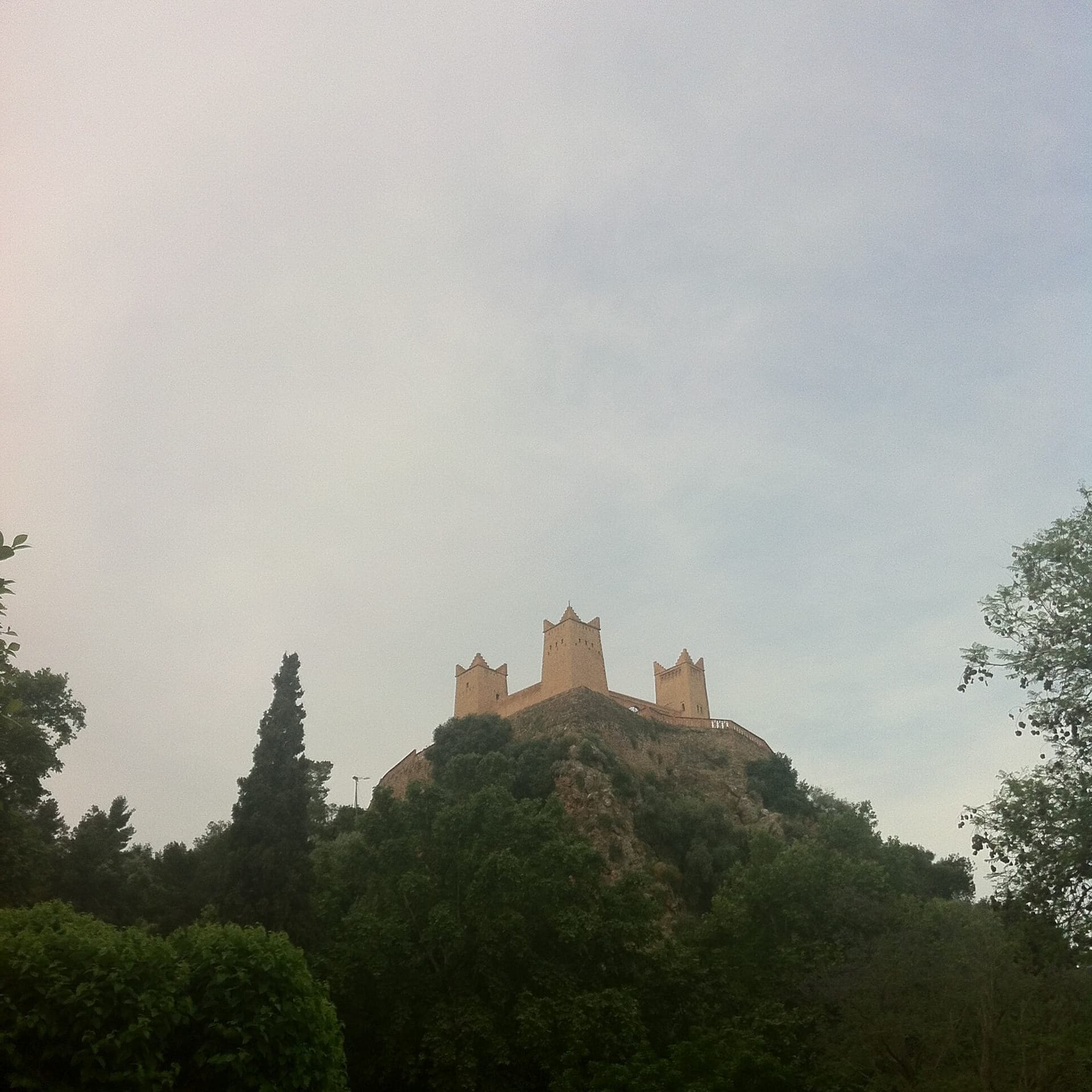
Distinguished by the Aïn Asserdoun springs and the hilltop Kasbah Ras el-Ain, the city serves as a practical inland base for trips to Bin el-Ouidane lake and Ouzoud Waterfalls.
32.3373° N, 6.3498° W
Mediterranean (Csa)
Beni Mellal Airport (BEM)
209,594
Moroccan Dirham (MAD)
How Do You Get to Beni Mellal?
Find the best transport options to reach Beni Mellal comfortably.
By train
There is no direct railway arrival into Beni Mellal from Casablanca. Treat the train as a combined option using Morocco’s rail network to a connecting city, followed by a bus, taxi, or private road transfer into Beni Mellal. This is useful only if your wider itinerary already depends on rail travel.
By plane
Flights into Beni Mellal Airport should be treated cautiously, as current official scheduled routes are not consistently published. Most international travelers will find Casablanca or Marrakech more practical as air gateways, then continue by bus, taxi, or car to Beni Mellal.
By Bus
Coach travel is one of the clearest practical options between Casablanca and Beni Mellal. Multiple booking sources show budget fares, with typical journey times around 3 to 5 hours depending on operator, stops, and traffic. Book ahead during weekends and holidays for more reliable seats.
By Car
Driving from Casablanca to Beni Mellal is straightforward for travelers who want flexibility and a direct arrival. Distance and timing sources place the road journey at roughly 201-220 km and about 2 to 2.5 hours, depending on route, traffic, and rest stops.
By private taxi
A private taxi or pre-booked transfer offers door-to-door convenience, especially for travelers carrying luggage or arriving late. It will usually cost more than the bus, so agree the total fare before departure and confirm whether tolls, waiting time, and hotel drop-off are included.
By rideshare
Rideshare or shared private rides may appear between Casablanca and Beni Mellal depending on the day. This can be an economical middle ground between bus and taxi, but travelers should confirm the pickup point, luggage space, drop-off location, and driver reviews before booking.
What Are Beni Mellal's Main Districts?
Beni Mellal is organized into 6 main districts, from City Center (Central Beni Mellal) to Atlas Excursion Base, each with its own character and things to do.
What Is the History Behind Beni Mellal's Kasbah?
Beni Mellal's most important historical landmark is the hilltop kasbah associated with the Aïn Asserdoun springs, founded in 1688 when Alaouite Sultan Moulay Ismail built a fortress to protect the spring and settlement.
Unlike Marrakech, Beni Mellal isn't defined by a circuit of historic medina gates — its heritage is concentrated in fortress architecture and the agricultural routes of the Tadla plain.
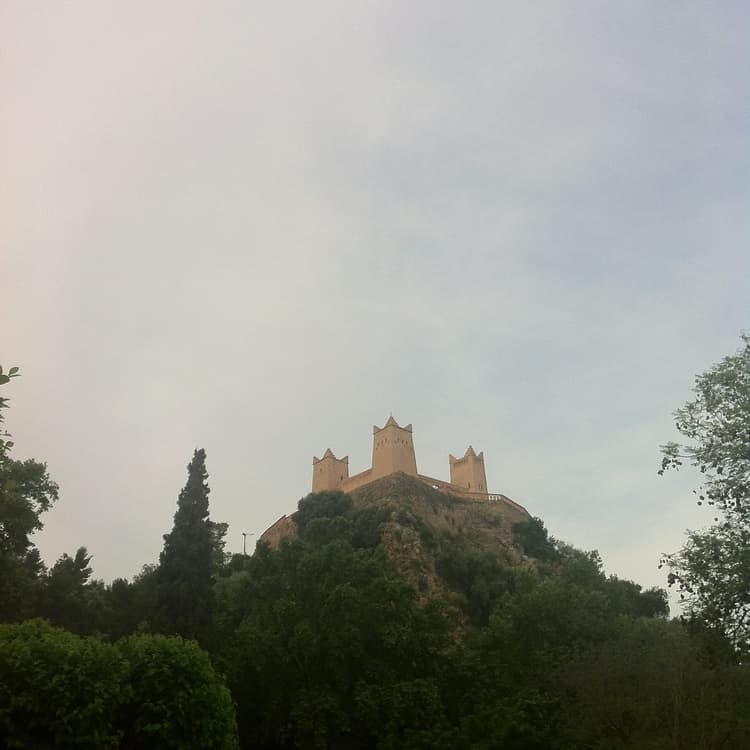
Kasbah Ras el-Ain
The hilltop fortress associated with Sultan Moulay Ismail, built to protect the spring and settlement while overlooking Beni Mellal and the Tadla plain.
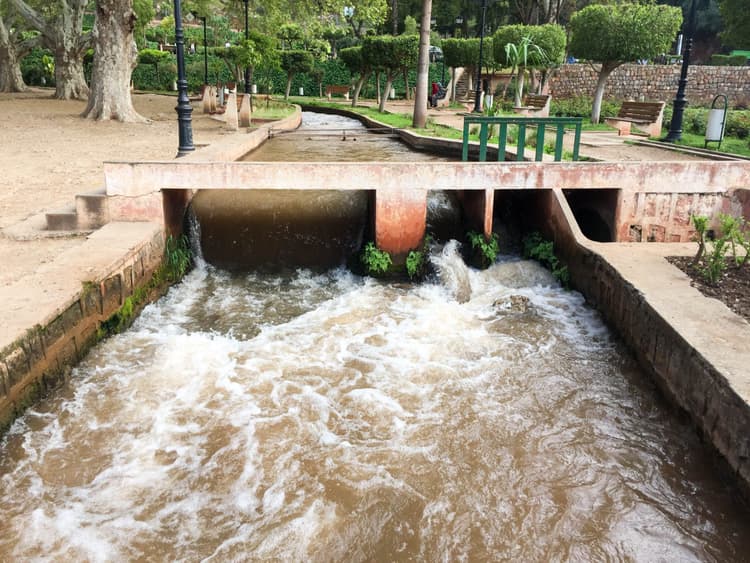
Aïn Asserdoun Springs
The natural spring and garden landmark at the base of the kasbah, known for flowing water, shaded paths, and a cool hillside setting.
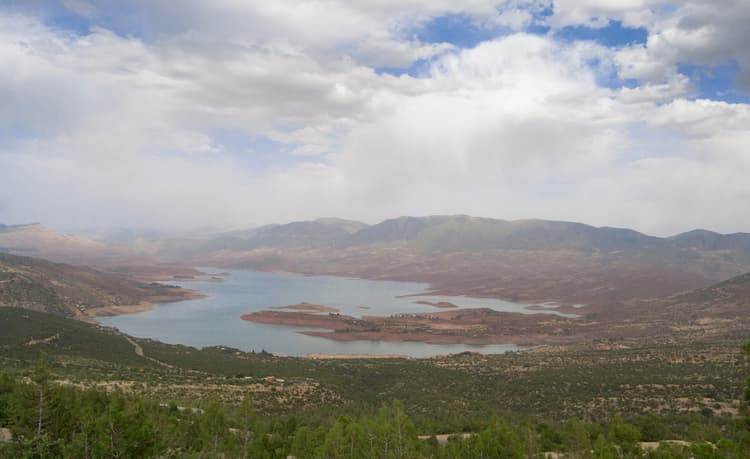
Bin el-Ouidane Lake and Dam
A turquoise mountain lake and dam in the Atlas region, used as a major nature escape from Beni Mellal for boating, kayaking, fishing, and scenery.
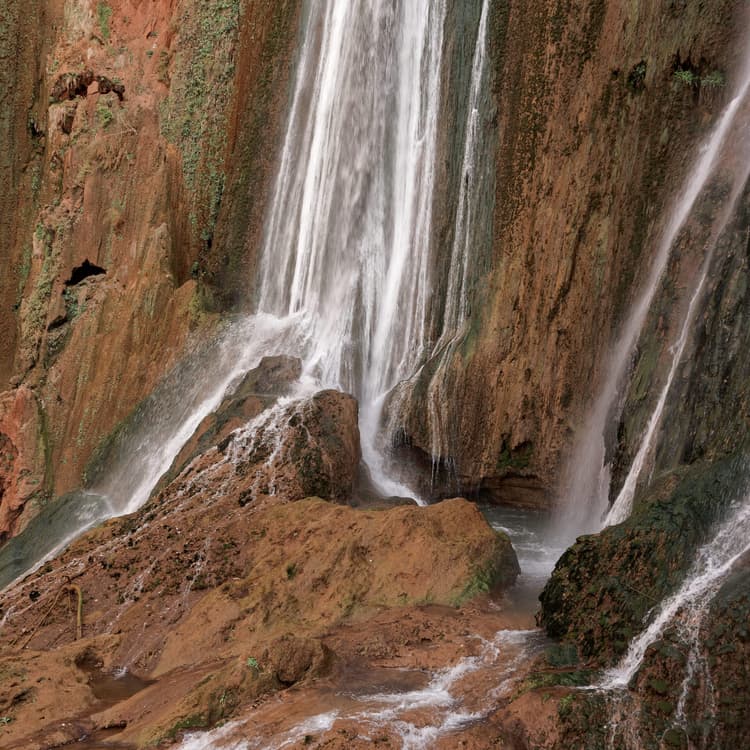
Ouzoud Waterfalls
A major waterfall day trip in the Béni Mellal-Khénifra region, known for high cascades, walking trails, Barbary macaques, and small boat rides.
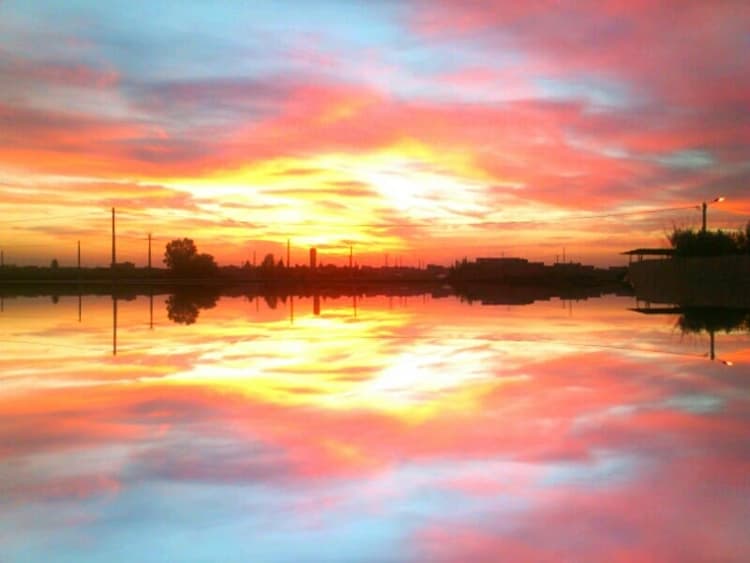
Tadla Plain Agricultural Landscape
The Tadla plain surrounding Beni Mellal is an agricultural landscape of olives, citrus, wheat, sugar beets, vegetables, and market villages.
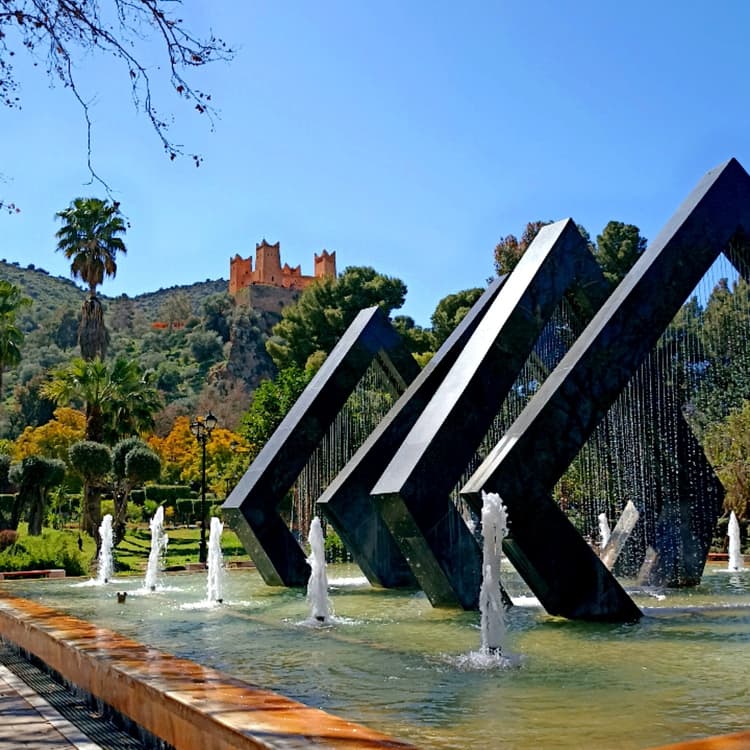
Atlas Foothills Routes
The wider Atlas foothill routes around Beni Mellal offer hiking, village scenery, panoramic drives, and occasional air-sport activities in the region.
Where Can You Shop in Beni Mellal?
Beni Mellal's markets are local rather than tourist-focused, drawing farmers and traders from the Tadla plain and Atlas foothills.
Look for the central market, the ancient souk area, and the weekly Tuesday souk.
The Souk Directory
Central Market Area
The city’s main everyday shopping area for produce, household goods, cafés, pastries, herbs and local food products.
Ancient Souk Area
Traditional lanes and stalls where visitors can observe local trade, simple crafts, dried fruits, herbs and daily market life.
Tuesday Souk
A major weekly market described as one of central Morocco’s most authentic, with olives, olive oil, honey, figs, livestock, rugs, pottery and agricultural goods.
Tadla Produce Stalls
Regional food shopping shaped by the Tadla plain, including olives, citrus, wheat, sugar beets, vegetables and seasonal farm produce.
Craft and Rug Vendors
Small-scale traditional goods such as handwoven rugs, pottery and practical household crafts, with prices depending heavily on size and quality.
The "Fair Price" Reference Table (2024 Estimates)
| Item | Local Name | Est. Price (MAD) |
|---|---|---|
| Olive Oil | Zit Zitoun | $3–$6 / Liter or kg |
| Dates | Tmar | $3–$3.50 / kg |
| Small Carpet | Zarbiya | $50–$1,500+ |
| Ouzoud Boat Ride | Qareb | $1–$2 |
| Ouzoud Local Guide | Morchid Mahalli | $10–$20 |
| Bottled Water | Ma Qaroura | $0.50 |
Which Tours Visit Beni Mellal?
What Are the Best Things to Do in Beni Mellal?
Frequently Asked Questions
Use standard Morocco urban precautions, especially in markets, bus stations, and busy transport areas. Beni Mellal is a regional city rather than a heavily touristed resort, so visitors should stay aware of belongings, use licensed transport where possible, and check current government travel advice before arrival.
Spring, roughly mid-March to May, and autumn, roughly September to October, are the most comfortable seasons. Summers are hot and dry, while winters are cooler and can be wetter, especially when compared with the clear, arid summer months.
Travel guidance for Morocco generally recommends bottled water for visitors. Bottled water is widely available and inexpensive, often around 5 MAD for a small bottle, while tap water may not suit sensitive stomachs.
The local currency is the Moroccan Dirham (MAD). It is the standard currency throughout Morocco, issued by Bank Al-Maghrib, and travelers should carry some small cash for souks, taxis, local cafés, and rural excursions.