Azilal
The High Atlas Provincial Capital and Gateway to Ouzoud, Bin El Ouidane, and M’Goun Geopark.
What Is Azilal Known For?
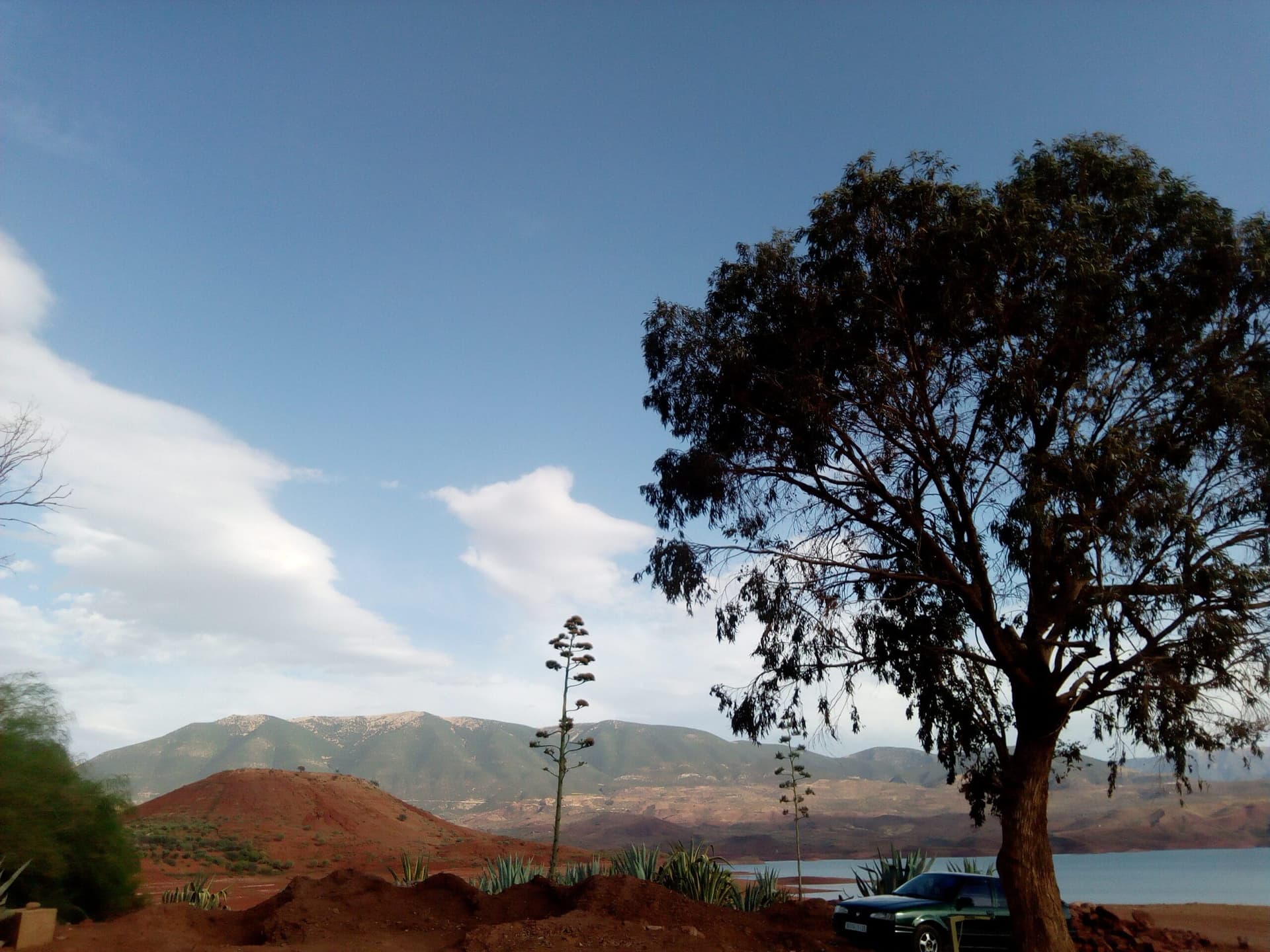
Azilal is a High Atlas mountain city at about 1,351 meters, the capital of Azilal Province, serving as a practical gateway to Ouzoud Waterfalls, Bin El Ouidane, and M'Goun Geopark landscapes.
Developed historically as a meeting and trading place for Amazigh tribes and later a French-protectorate outpost, Azilal today focuses its tourism identity on responsible, supportive ecotourism.
31.96° N, 6.57° W
Arid mountain climate
Beni Mellal Airport
48,138
Moroccan Dirham (MAD)
How Do You Get to Azilal?
Find the best transport options to reach Azilal comfortably.
By train and road transfer
There is no verified direct train to Azilal, so the rail option works as a combination journey toward a regional hub such as Beni Mellal, followed by road transport for the final section. This is a practical choice for travelers who prefer organized public transport for most of the distance while accepting a taxi, bus, or local transfer into the mountains.
By bus
Bus and road combinations are among the commonly listed ways to travel from Casablanca to Azilal. Expect a connection through a larger inland hub and confirm current CTM or local coach schedules before departure, as route-specific fares and timetables are not consistently published.
By car
Driving from Casablanca gives the most flexibility for reaching Azilal and continuing onward to Ouzoud Waterfalls, Bin El Ouidane, or other provincial attractions. Rome2rio lists the quickest Casablanca to Azilal journey at about 3¾ hours, making a rental car practical for confident drivers.
By private taxi
A private taxi or pre-booked transfer is the most seamless door-to-door option from Casablanca, especially for families or travelers with luggage. It is generally more expensive than public transport, and the total fare should be agreed in advance with the driver or agency.
By rideshare
Carpooling can be a flexible middle-ground if a driver is heading toward Beni Mellal, Azilal, or the Ouzoud area. Availability varies by day, and travelers should confirm pickup points, luggage space, and whether the ride reaches Azilal itself or only a nearby hub.
What Are Azilal's Main Districts?
Azilal is organized into 4 main districts, from Centre Ville to Souk and Trading Streets, each with its own character and things to do.
What Is the History Behind Azilal's Amazigh Heritage?
Azilal's history is rooted in its role as a meeting and trading place for Amazigh tribes in the High Atlas, later occupied as a French-protectorate outpost into the mountains.
The wider province is associated with classified monuments, the Azilal Museum, and natural landmarks such as Ouzoud Waterfalls, Bin El Ouidane, Imi n'Ifri, and the Iouaridene dinosaur footprints.
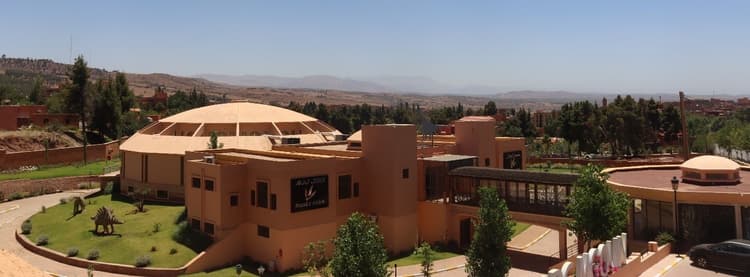
Azilal Museum
Azilal Museum presents regional and tribal heritage, offering a cultural counterpoint to the province’s better-known waterfalls, lakes, and mountain landscapes.
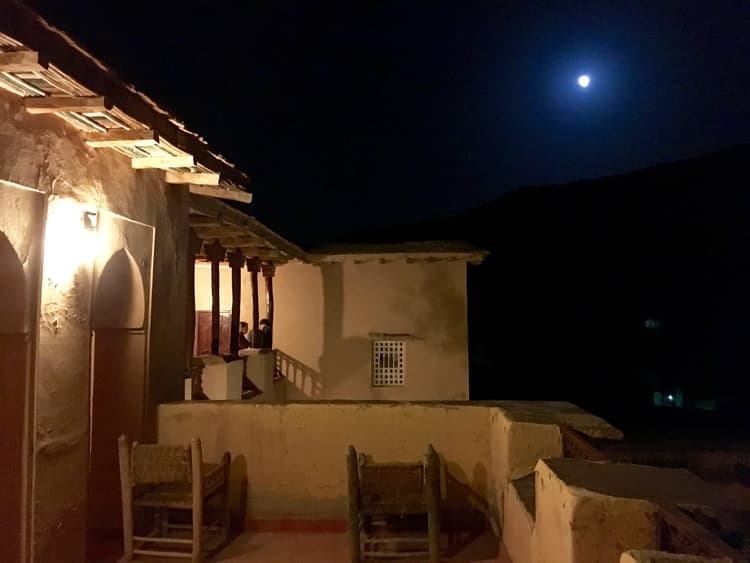
The Colonial Quarter
The colonial quarter recalls Azilal’s protectorate-era role as a mountain outpost and remains one of the few historically distinct areas reported within the town.
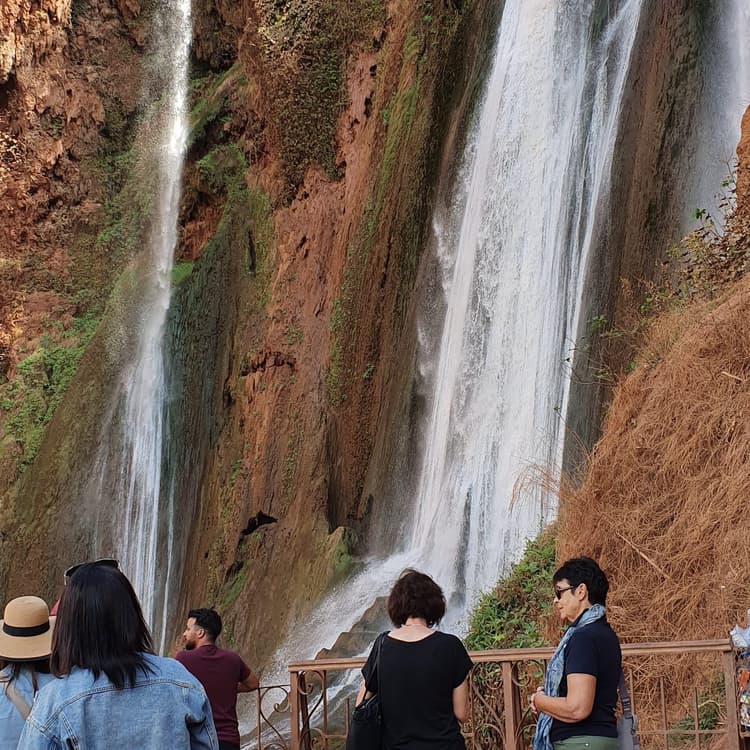
Ouzoud Waterfalls
Ouzoud Waterfalls are the province’s most famous natural monument, rising through Atlas scenery and drawing visitors for hiking, viewpoints, boat rides, and wildlife sightings.
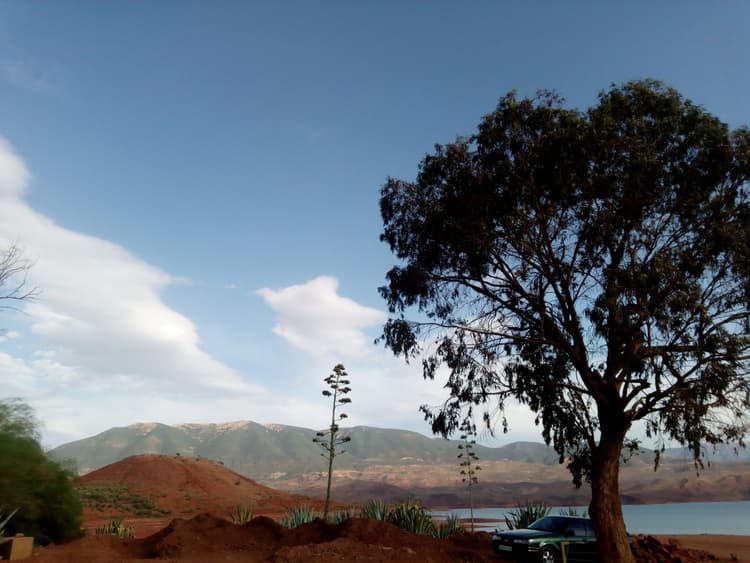
Bin El Ouidane Lake
Bin El Ouidane lake and dam form a major scenic landmark in Azilal Province, known for boating, kayaking, fishing, and lakeside relaxation.
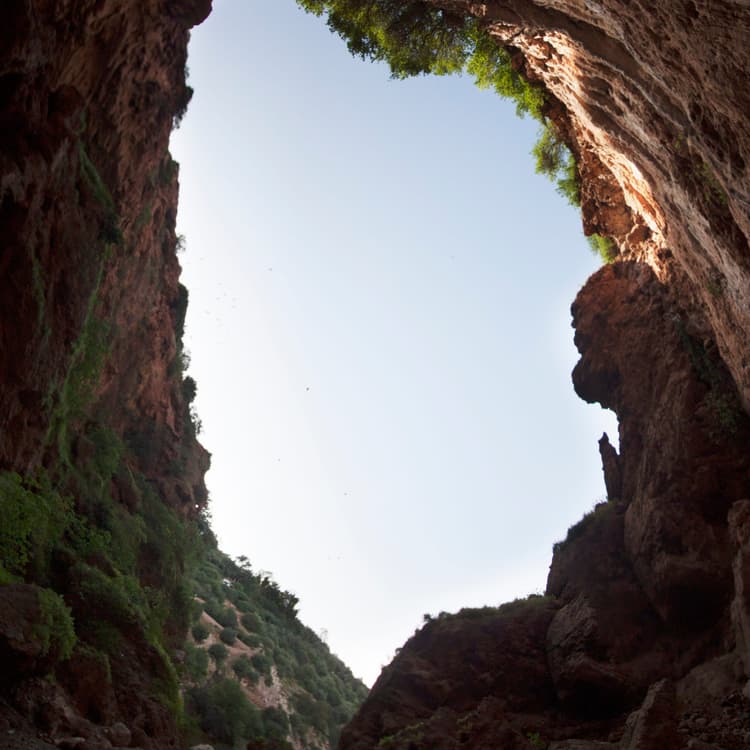
Imi n Ifri Natural Bridge
Imi n Ifri is a natural bridge geosite associated with the M’Goun Geopark landscape, adding geological interest to Azilal Province itineraries.
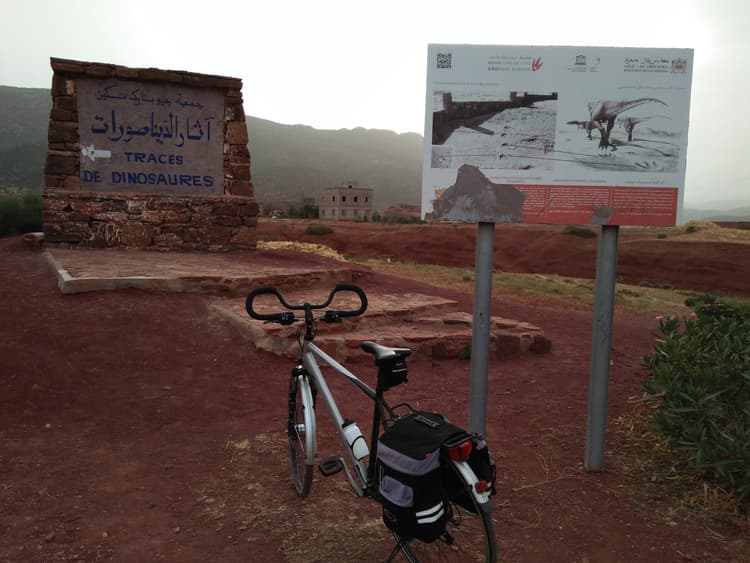
Iouaridene Dinosaur Footprints
Iouaridene dinosaur footprints are a recognized geosite in the M’Goun Geopark context, linking Azilal Province to deep prehistoric landscapes.
What Can You Buy in Azilal?
Azilal's shopping identity is rooted in Amazigh trade history and regional craft culture rather than a heavily documented tourist souk circuit.
Treat prices as conservative traveler estimates unless confirmed on arrival.
The Souk Directory
Centre Ville Shops
Practical central shops and cafés for daily needs, simple meals, and local errands before mountain excursions.
Avenue Hassan II Businesses
A central address axis where visitors may find cafés, small restaurants, money services, and local businesses.
Azilal Rug Sellers
Azilal rugs are a recognized handmade Amazigh carpet style associated with artisans of the Azilal tribes.
Craft and Cooperative Stalls
Regional craft purchases should be approached through cooperatives, workshops, or trusted sellers where origin and materials can be discussed.
Local Product Markets
Everyday produce, olive oil, honey, and household goods may be found through local market activity, though official weekly market schedules are not published.
The "Fair Price" Reference Table (2024 Estimates)
| Item | Local Name | Est. Price (MAD) |
|---|---|---|
| Handmade Azilal Rug | Zarbia Azilal | $150 – $2,000 |
| Olive Oil Bottle | Zite Zitoun | 100 – 300 MAD |
| Honey Small Jar | Aassal | 70 MAD estimate |
| Museum Entry - Resident | Tadhkara | 20 MAD |
| Museum Entry - Foreign Visitor | Tadhkara | 40 MAD |
| Ouzoud Boat Ride Extra | Qareb | 20 MAD |
What Are the Best Things to Do in Azilal?

Frequently Asked Questions
Azilal is presented by tourism sources as a normal Moroccan travel destination, and no Azilal-specific safety warning was verified in the research. Travelers should use standard precautions, watch belongings in busy areas, confirm transport prices in advance, and seek current local advice before mountain excursions.
Late spring is the most comfortable period for sightseeing and hiking, with broader Tadla-Azilal weather guidance favoring late February to early June for ideal conditions. Summer can be hot in town but is useful for water-related trips such as Ouzoud Waterfalls and Bin El Ouidane, while winter can be cold in surrounding High Atlas terrain.
No Azilal-specific tap-water safety source was verified in the research. Visitors with sensitive stomachs should use bottled or filtered water, especially during short stays, and ask accommodation hosts for current local advice.
The Moroccan Dirham (MAD or DH). Azilal is a smaller provincial city, so carrying cash is useful for cafés, taxis, market purchases, and rural excursions, even when larger services may accept cards elsewhere in Morocco.