El Jadida
Atlantic ramparts, a mirror-like Portuguese cistern, and beach life in Morocco’s UNESCO-listed Mazagan.
What Is El Jadida Known For?
El Jadida is a historic Atlantic port city about 90–96km southwest of Casablanca, distinguished by the Portuguese City of Mazagan, a fortified early-16th-century colony taken over by Moroccans in 1769.
UNESCO recognizes its bastions and ramparts as an early example of Renaissance military design, and the city today functions as a seaside resort connecting travelers to Atlantic beaches and the wider Doukkala coast.
33.23° N, 8.50° W
Mediterranean (Csa)
Mohammed V International Airport
235,000–247,000
Moroccan Dirham (MAD)
How Do You Get to El Jadida?
Find the best transport options to reach El Jadida comfortably.
By train
Take the ONCF train from Casa-Voyageurs to El Jadida, the simplest public-transport link from Morocco's largest city. Trains run every two to three hours and take about 1h 30m, making it practical for day trips, weekend stays and travelers arriving through Casablanca.
By plane
There is no need to fly between Casablanca and El Jadida, but Mohammed V International Airport is the nearest major airport for international arrivals, about 1h 15m by road. From the airport, continue by private transfer or taxi.
By Bus
CTM and other companies connect Casablanca with El Jadida in a short, budget-friendly ride of about 1h 15m to 1h 40m, depending on departure point and traffic. It is a strong choice for travelers watching costs.
By Car
Driving from Casablanca to El Jadida is straightforward, covering roughly 90 to 96 kilometers south or southwest along the Atlantic side of the region. A rental car gives you flexibility to stop at beaches or continue toward Oualidia. Keep cash available for tolls, parking, and small coastal services.
By private taxi
A private taxi or pre-booked airport transfer is the most convenient door-to-door option, especially from Mohammed V International Airport or Casablanca hotels. Agree the total price before departure; it works best for families, groups and travelers with heavy luggage.
By rideshare
Rideshare or shared-car options may be available between Casablanca and El Jadida because the cities are close and frequently connected. Availability depends on the day, pickup point, and driver. Always confirm luggage space, final drop-off location, and price before committing to the ride.
What Are El Jadida's Main Districts?
El Jadida is organized into 6 main districts, from Portuguese City (UNESCO Mazagan) to City Centre Markets, each with its own character and things to do.
What Is the History Behind the Portuguese City of Mazagan?
The Portuguese City of Mazagan was built on the Atlantic coast in the early 16th century as a fortified Portuguese colony, taken over by Moroccans in 1769.
UNESCO recognizes its bastions and ramparts as an early example of Renaissance military design, with surviving monuments including the ramparts, bastions, the Portuguese Cistern, and churches.
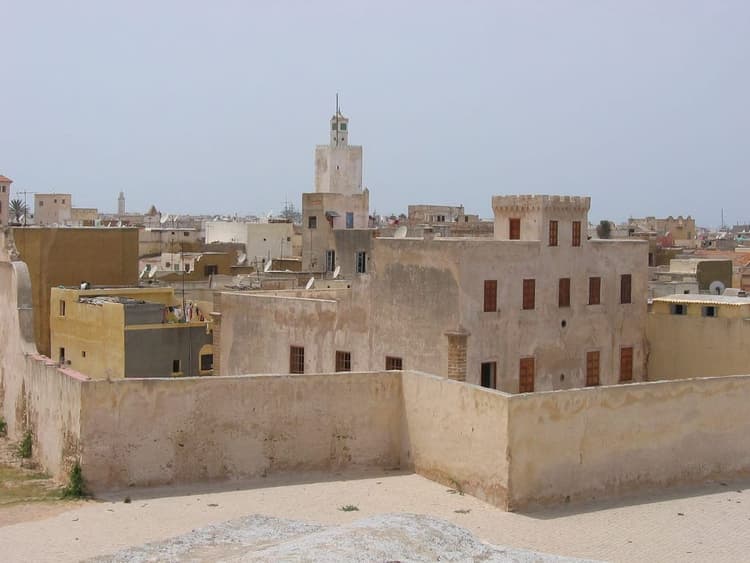
Portuguese City of Mazagan
The UNESCO-listed Portuguese fortified city of Mazagan, built in the early sixteenth century and taken over by Moroccans in 1769.
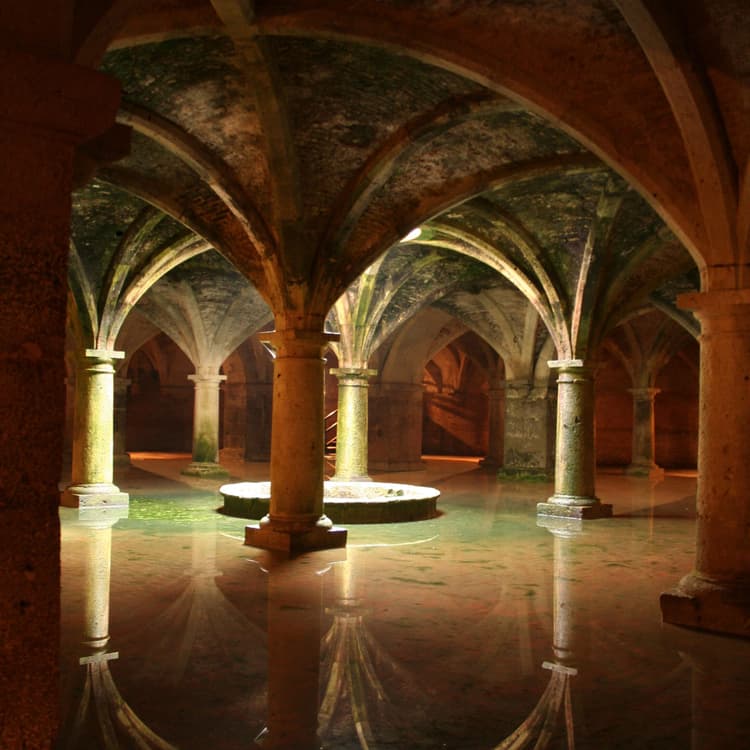
Portuguese Cistern
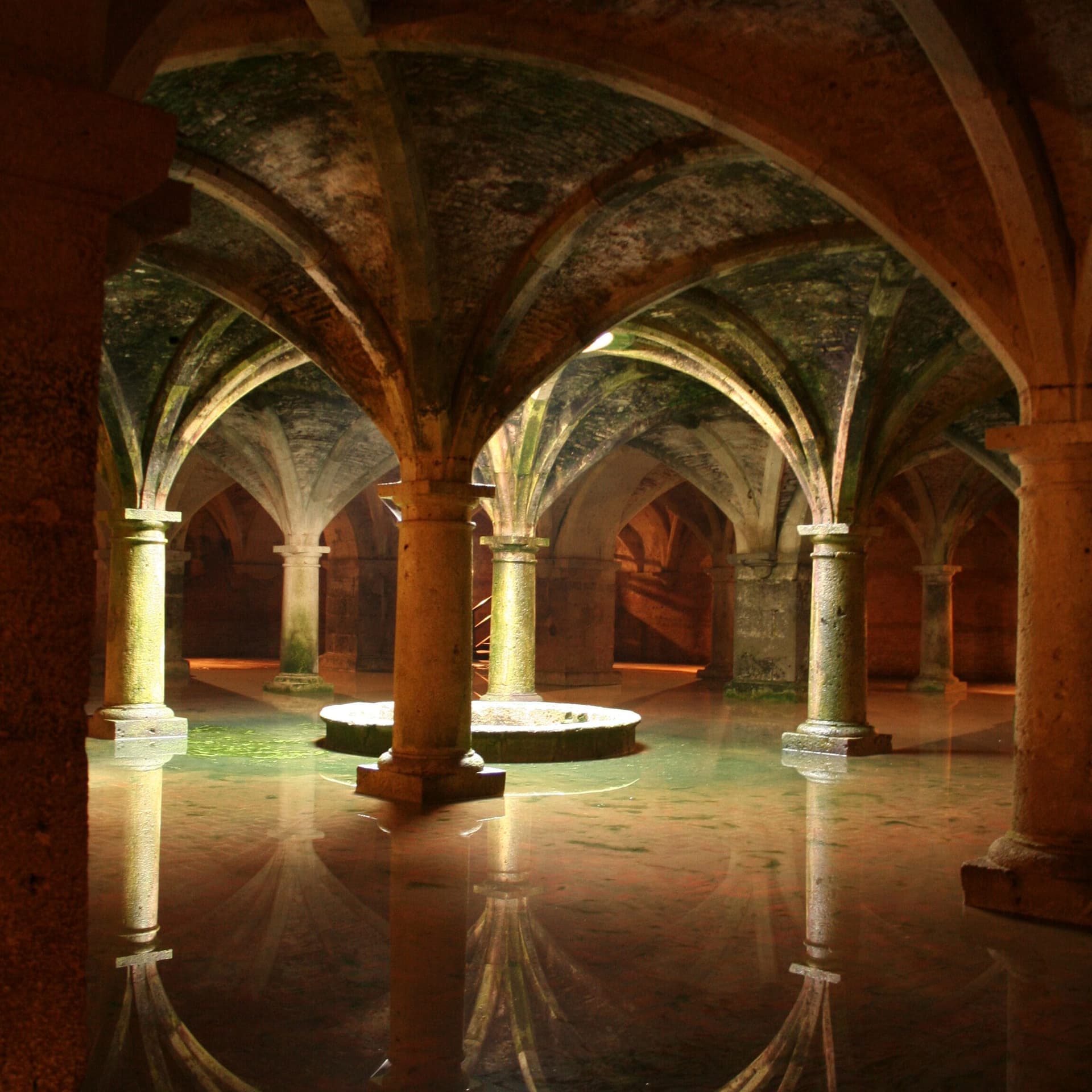
A historic underground cistern beneath the citadel, known for vaulted arches, shallow reflective water, and a cinematic atmosphere.
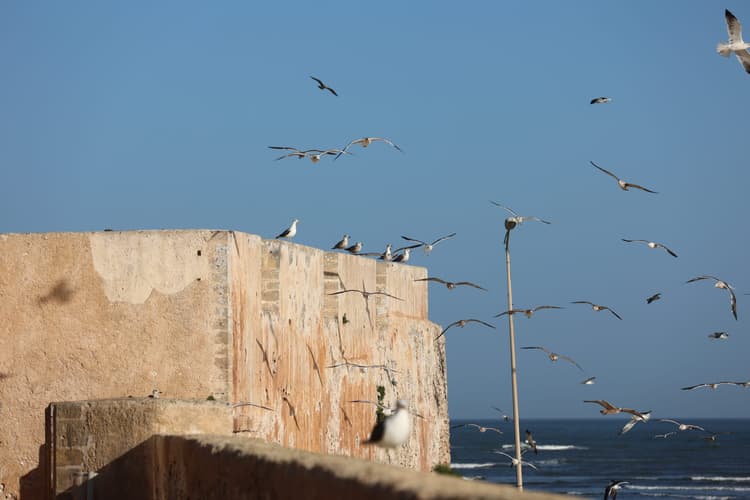
Ramparts of El Jadida
The sea-facing defensive walls of Mazagan, offering Atlantic views and a clear example of Renaissance military planning.
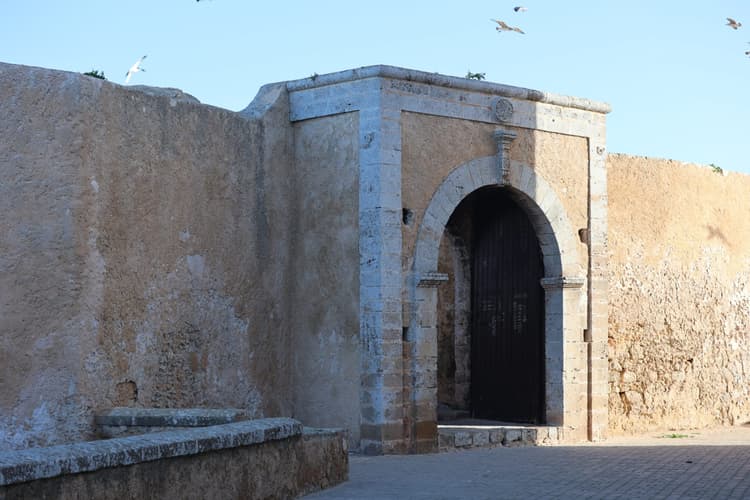
Bastions of Mazagan
The bastioned corners of the Portuguese fortification, preserved as part of Mazagan’s UNESCO-recognized defensive system.
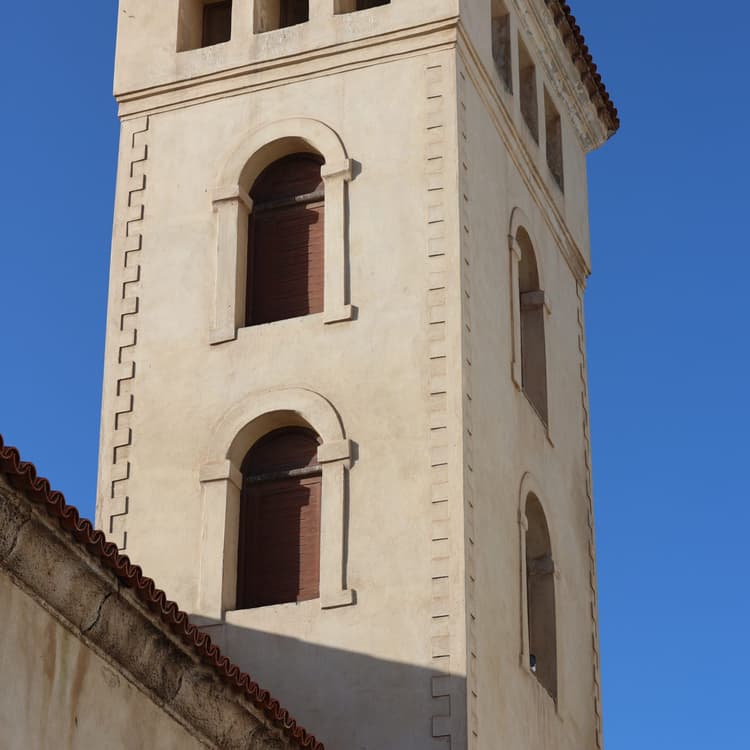
Church of the Assumption
A former Portuguese church inside the citadel, identified by travel guides as part of the surviving religious architecture of Mazagan.
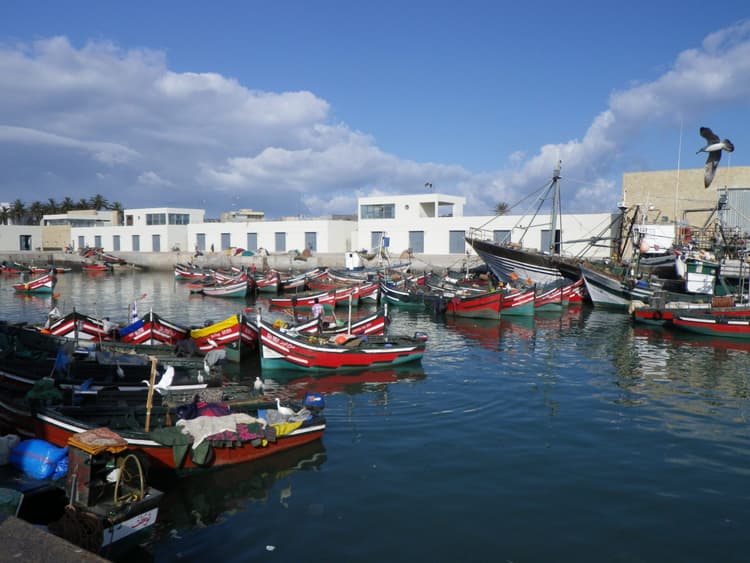
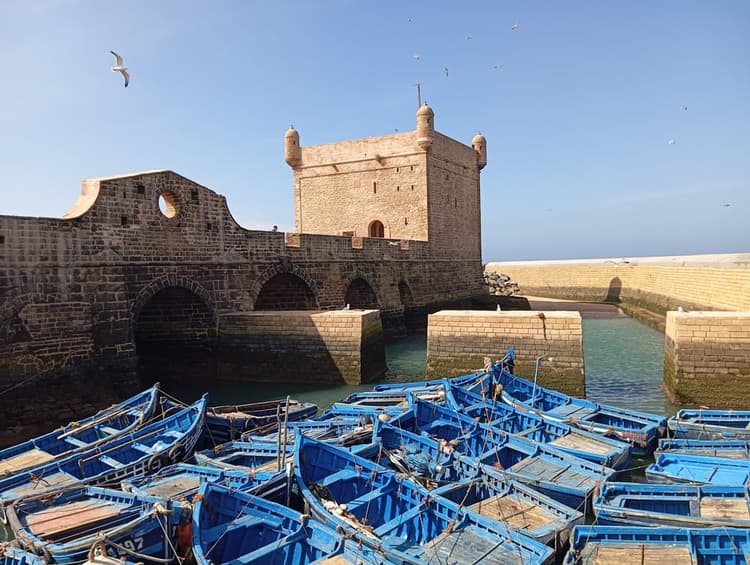
Working Port and Sea Gates
The working fishing port and sea-gate area below the ramparts, linking the historic fortified city with everyday Atlantic life.
Where Can You Shop in El Jadida?
El Jadida's shopping is more local and scattered than Morocco's larger medinas, spread around town in small markets and everyday shops.
Look for fresh produce, seafood, spices, olives, and simple crafts, with bargain-focused stalls in the old medina.
The Souk Directory
Marché Central
A practical mid-range shopping place for everyday goods, produce, and local market life.
Old Medina Souks
Small souk streets near the historic center, known for bargains and a more local rhythm than major imperial-city markets.
Seafood and Fish Stalls
Scattered stalls and fish sellers reflecting El Jadida’s Atlantic port identity and seafood culture.
Spice and Olive Shops
Local shops selling spices, olives, and pantry goods used in everyday Moroccan cooking.
Local Craft Stalls
Simple craft and souvenir sellers offering items such as babouches, ceramics, and small local gifts where prices vary.
The "Fair Price" Reference Table (2024 Estimates)
| Item | Local Name | Est. Price (MAD) |
|---|---|---|
| Oualidia Oysters | Huitres | 40 – 150 MAD / dozen |
| Portuguese Cistern Admission | Citerne Portugaise | Around 10 MAD |
| Fresh Seafood | Hout | $5 – $20 / kg |
| Leather Slippers | Babouche | $8 – $20 |
| Spices and Olives | Atar wa Zitoun | $2 – $6 / kg |
| Simple Ceramics | Fakhar | $3 – $20 |
Which Tours Visit El Jadida?
What Are the Best Things to Do in El Jadida?

Frequently Asked Questions
El Jadida is generally considered safe for visitors, but normal Morocco urban precautions apply. Watch belongings in crowded markets and beach areas, avoid poorly lit streets late at night, and use registered transport where possible.
Late spring, summer, and early autumn are the most practical periods for beach travel, with April to October generally drier. Summer brings the warmest water and calmer family beach days, while late spring and early autumn are often comfortable for sun-seekers and surfers.
Foreign travelers are generally advised to drink bottled water in El Jadida. Tap water may not suit all visitors, so a sealed bottle or reliable filter bottle is the safest practical choice.
The local currency is the Moroccan Dirham (MAD). Cash is useful for souks, small cafés, taxis, and beach services, while larger hotels and some restaurants may accept cards.