Oualidia
The Protected Lagoon and Oyster Capital of Morocco’s Atlantic Coast.
What Is Oualidia Known For?
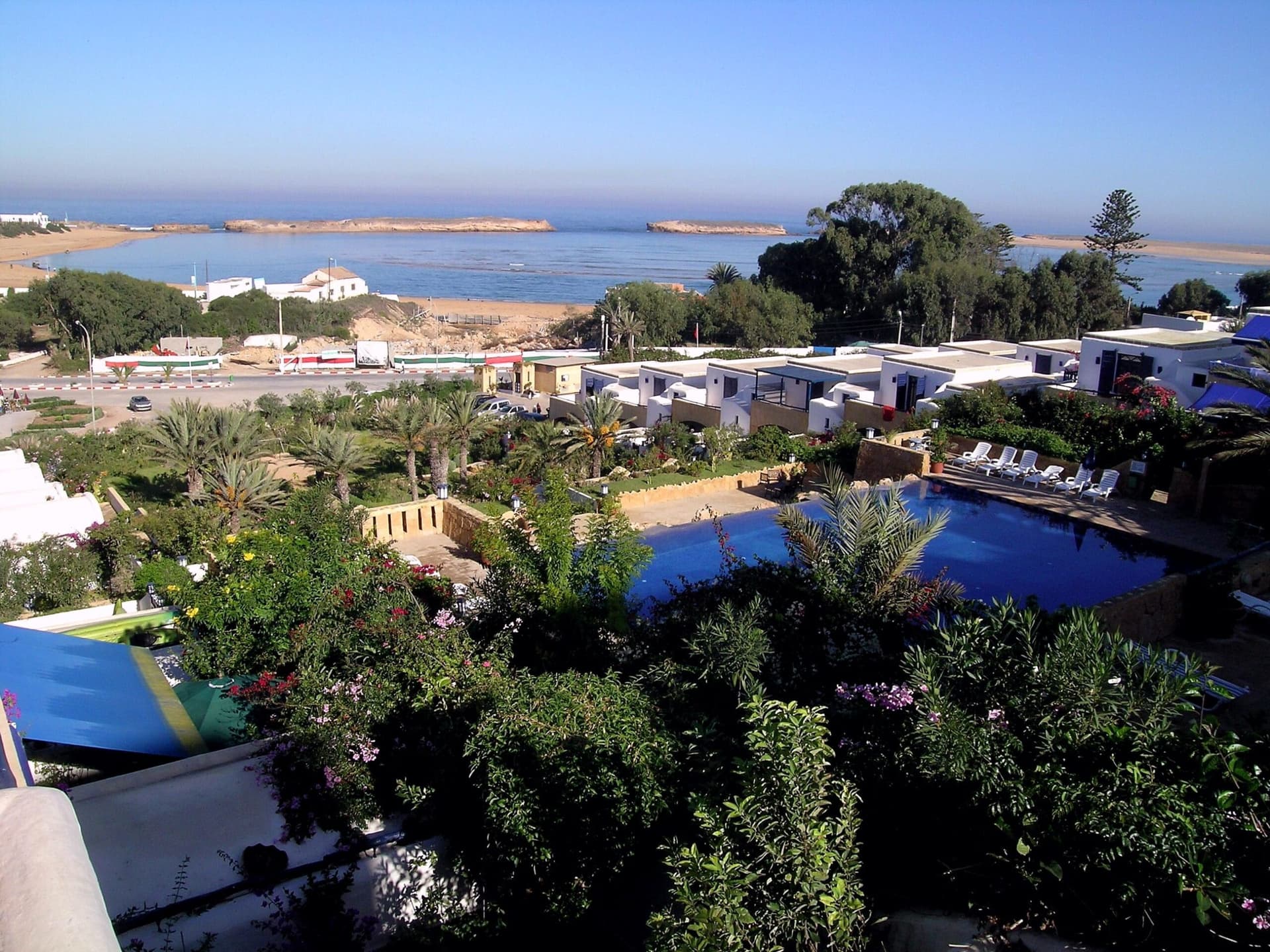
Oualidia is a coastal town between El Jadida and Safi, built around a protected Atlantic lagoon — widely described as Morocco's oyster capital, with oyster beds and lagoon restaurants central to its identity.
Linked historically to the Saadian Sultan El Oualid and a coastal kasbah, Oualidia today is a quiet nature, beach, and seafood escape from Casablanca, Rabat, and Marrakech.
32.735° N, 9.029° W
Semi-arid coastal steppe
Mohammed V International Airport
7,770 (2014 urban center)
Moroccan Dirham (MAD)
How Do You Get to Oualidia?
Find the best transport options to reach Oualidia comfortably.
By train and bus
There is no direct train to Oualidia, but travelers can combine Morocco’s rail network with onward bus or road transport. This option is useful if you prefer rail comfort for part of the journey before connecting toward the coast. Always check current schedules carefully, as the final approach requires a non-rail connection.
By bus
A direct or connecting coach is the most budget-friendly way to reach Oualidia from Casablanca. Bookaway lists bus travel from about $9, making this the simplest low-cost option for travelers without a rental car. Schedules can be limited compared with routes between larger cities, so booking ahead is recommended.
By car
Driving from Casablanca gives excellent flexibility and is one of the most practical ways to reach the lagoon. Sources place the drive at roughly 164–182 km, with travel times around 2h15m to 2h30m depending on departure point and traffic. This is especially convenient for visitors arriving through Casablanca Mohammed V International Airport.
By private taxi
A private transfer offers the most seamless door-to-door route from Casablanca or the airport to Oualidia. Kiwitaxi lists transfers from about $174, while other transfer-style services can be higher. This is the most comfortable choice for families, small groups, or travelers carrying beach and surf equipment.
By shuttle or minivan
Shared shuttle or minivan services appear on travel-booking routes between Casablanca and Oualidia. They are useful when available because they reduce the cost of a private transfer while remaining more direct than public transport. Confirm luggage allowance and drop-off location before booking.
What Are Oualidia's Main Districts?
Oualidia is organized into 6 main districts, from Lagoon & Beachfront to Wetlands & Salt Flats, each with its own character and things to do.
What Is the History Behind Oualidia's Saadian Kasbah?
Oualidia's history is closely linked to the Saadian Sultan El Oualid — in 1634, a kasbah was reportedly commissioned with Dutch builders to help protect this stretch of coast from Portuguese invaders.
Unlike Morocco's imperial cities, Oualidia has no verified named historic gates — its main heritage landmark is the Saadian kasbah ruins, while the lagoon and oyster farms define its living coastal identity.
Saadian Kasbah Ruins
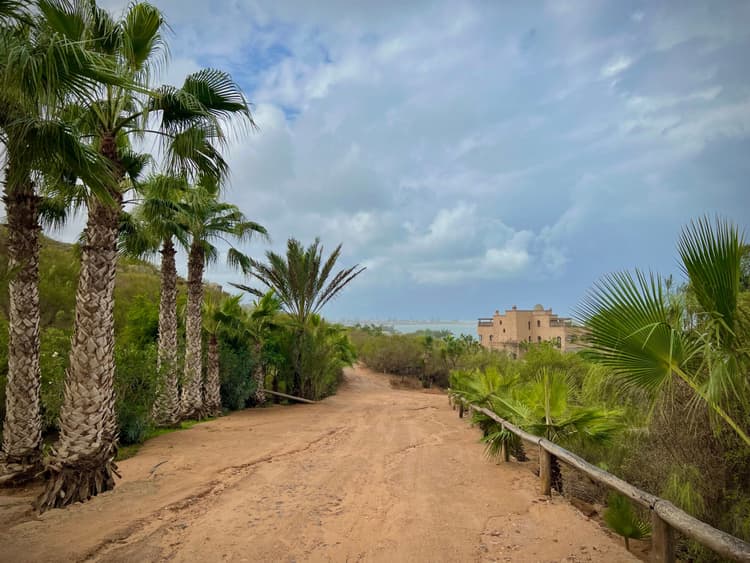
The principal historic monument of Oualidia, linked to the Saadian Sultan El Oualid and the seventeenth-century defense of the Atlantic coast.
Oualidia Lagoon
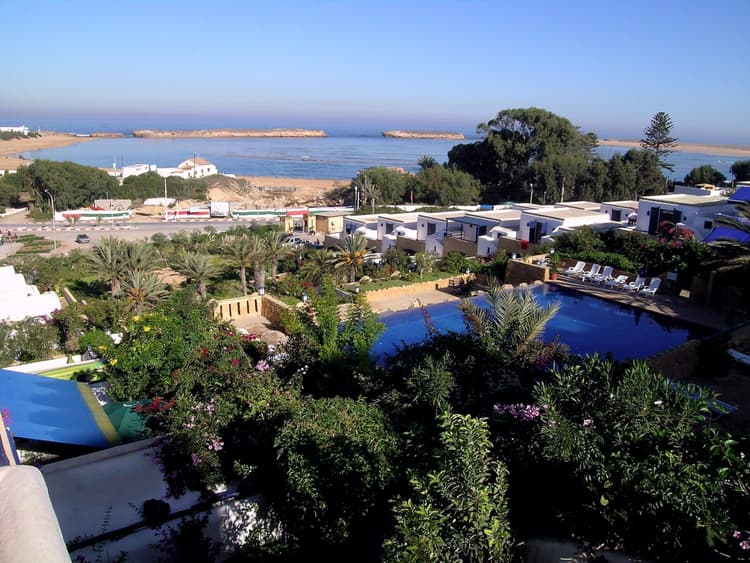
The protected natural lagoon that anchors Oualidia’s identity, offering boating, kayaking, safe swimming, birdlife, and calm coastal scenery.
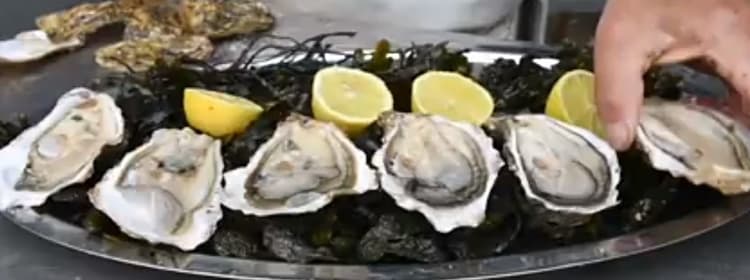
Oyster Farms
The working oyster beds of the lagoon, central to Oualidia’s reputation as Morocco’s oyster capital and a major seafood experience.
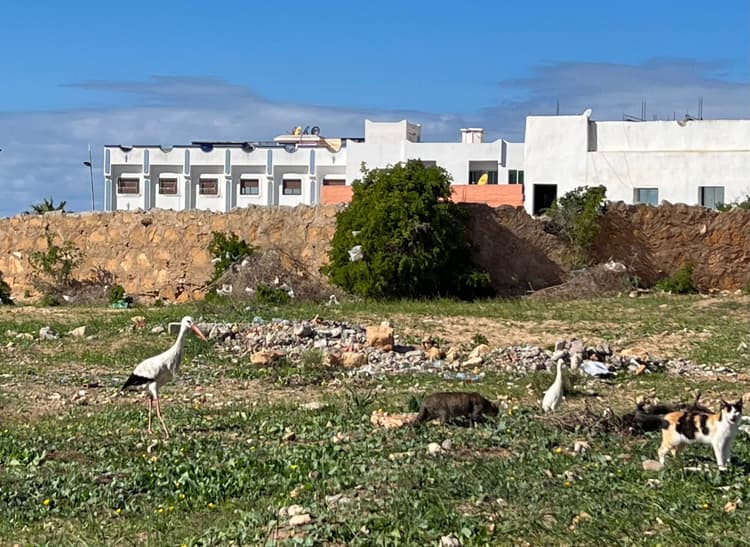
Wetland Bird Reserve
The wetland bird environment around the lagoon, known for flamingos, waders, egrets, herons, and tide-sensitive birdwatching.
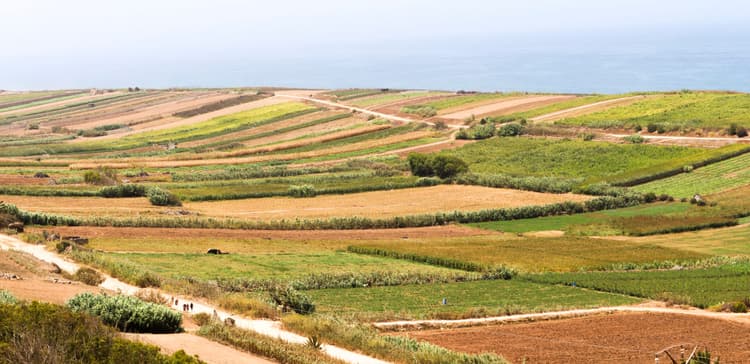
Salt Flats
A wider coastal-flat landscape mentioned in local guides, adding quiet nature scenery to the lagoon and wetland experience.
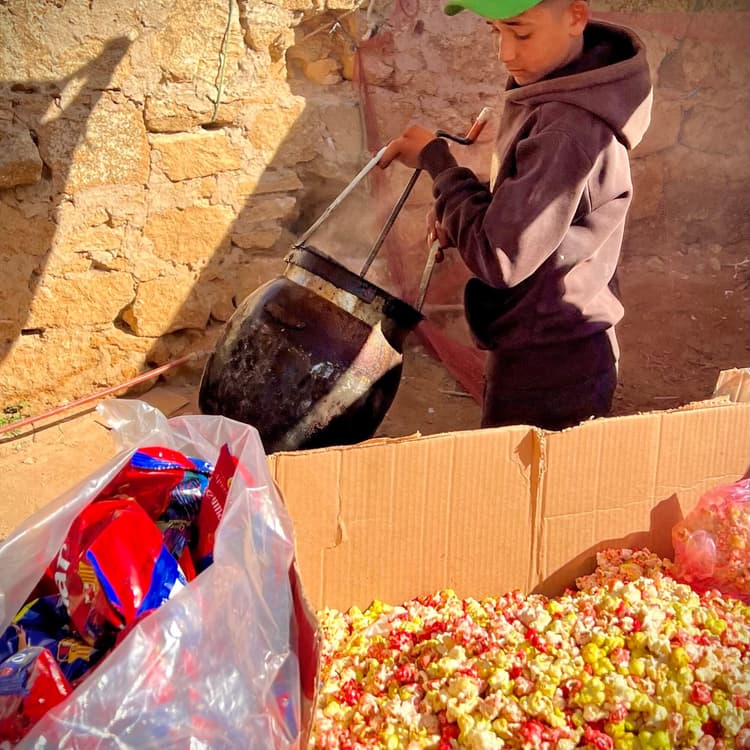
Wednesday Souk
The authentic weekly market held on Wednesdays, where local produce, olives, spices, ceramics, crafts, and everyday goods are traded.
Where Can You Shop and Eat in Oualidia?
Oualidia doesn't have a large permanent craft souk — shopping and food commerce center on the weekly Wednesday market and fresh produce.
Seafood restaurants, oyster bars, and simple grilled-fish meals near the lagoon round out the experience.
The Souk Directory
Wednesday Local Market
The main weekly local market, held on Wednesdays, with seasonal fruits and vegetables, spices, olives, bread, pottery, ceramics, furniture, crafts, and everyday supplies.
Oyster Bars
The lagoon-side oyster experience, where fresh oysters are bought, tasted, and served close to the working beds that made Oualidia famous.
Grilled Fish Restaurants
Simple restaurants and stalls focused on grilled fish plates, seafood meals, and the relaxed food culture of the Atlantic coast.
Town Center Cafés
Casual cafés in and around the town center, useful for tea, coffee, light snacks, and observing everyday local life away from the lagoonfront.
Regional Produce & Crafts
Small market sellers and regional craft stalls offering ceramics, pottery, bread, olives, spices, and practical household goods rather than luxury souvenirs.
The "Fair Price" Reference Table (2024 Estimates)
| Item | Local Name | Est. Price (MAD) |
|---|---|---|
| Fresh Oysters | Huîtres | 2 – 6 MAD each |
| Grilled Fish Plate | Poisson Grillé | 60 – 80 MAD |
| Kayak Rental | Kayak | 50 MAD / hour |
| Oyster Farm Tour | Tour des Huîtres | 150 MAD |
| Birdwatching Boat Tour | Balade Ornithologique | 200 MAD |
| Wednesday Market Hotel Experience | Souk du Mercredi | 700 MAD / couple |
Which Tours Visit Oualidia?

What Are the Best Things to Do in Oualidia?

Frequently Asked Questions
The lagoon is generally described as the calmer and safer place for swimming, with sandy areas, a gradual drop-off, and fewer waves. The Atlantic side is stronger and more dependent on tide and swell, so it is better suited to surfing or guided water activities.
Travel sources often recommend spring, especially April to June, for pleasant coastal conditions. Winter can also be rewarding for birdwatching, particularly when flamingos and other wetland birds are noted around the lagoon.
Yes. Tide timing matters for lagoon boating, birdwatching, beach shape, and access to some calm-water activities. High tide is often useful for boat rides and closer bird viewing, while local operators can advise on the best timing.
The local currency is the Moroccan Dirham (MAD). Exchange rates fluctuate, but the working conversion used for this guide is approximately 1 MAD ≈ $0.106 USD.